
Top 3 Stainless Steel Orthopedic Instrument Manufacturers in Sialkot (2026)
August 6, 2026 2026-08-06 6:28Top 3 Stainless Steel Orthopedic Instrument Manufacturers in Sialkot (2026)
 hasni
hasni 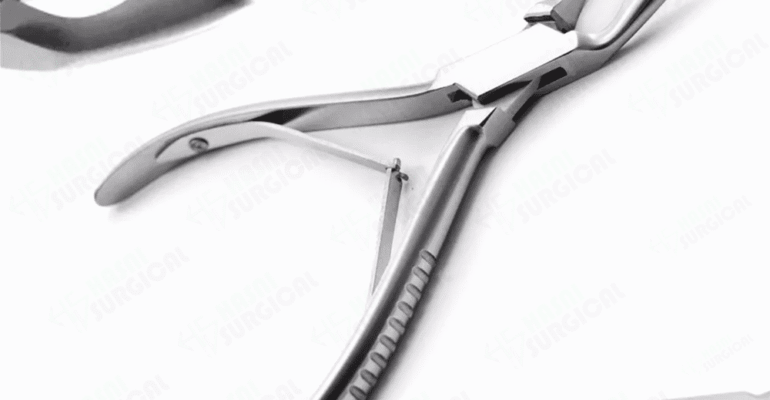
Top 3 Stainless Steel Orthopedic Instrument Manufacturers in Sialkot (2026)
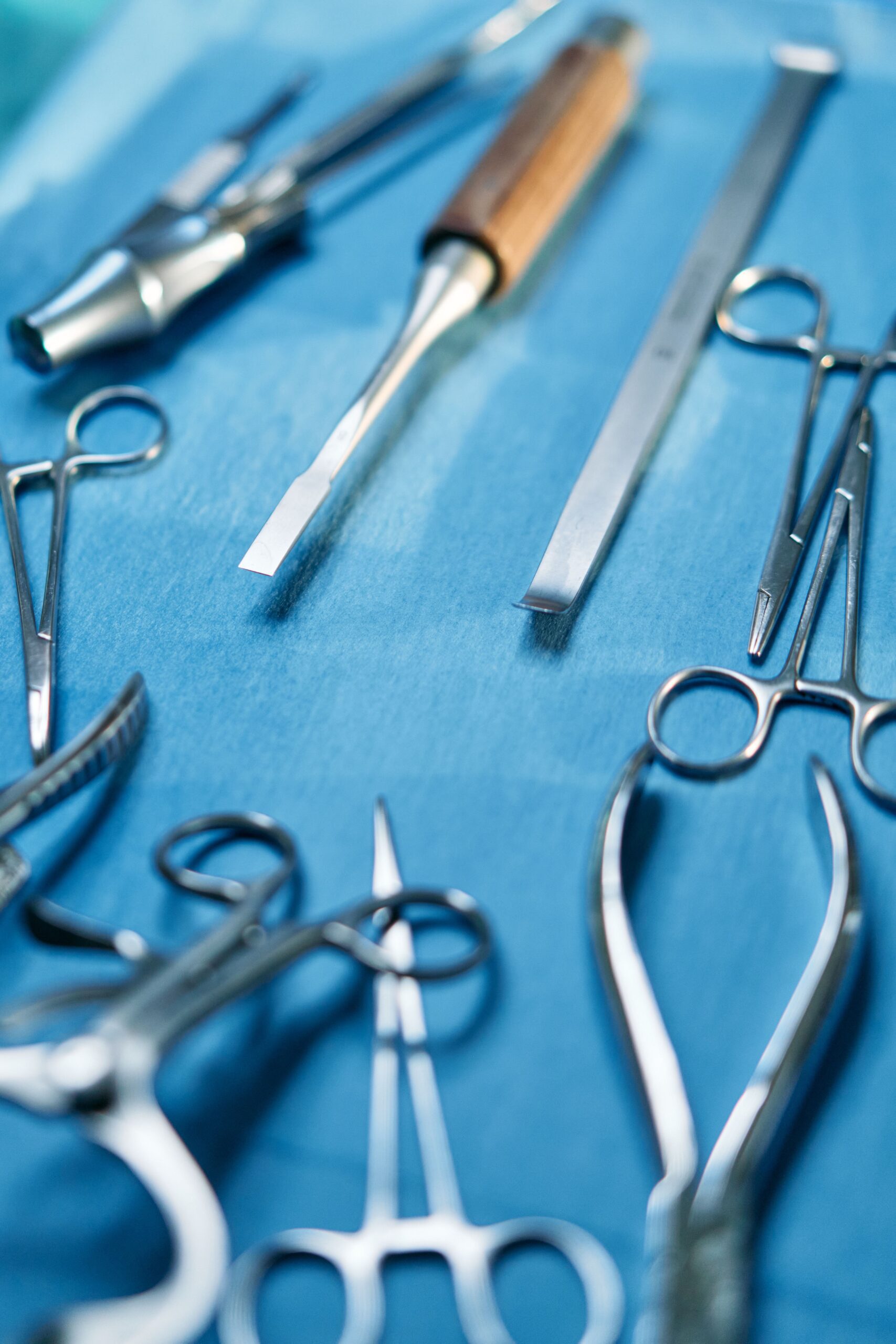
Why Stainless Steel Still Dominates Orthopedic Instrumentation
Despite the rise of titanium and specialty alloys in some surgical categories, surgical-grade stainless steel remains the backbone material for orthopedic instruments — bone cutters, osteotomes, plate benders, reduction forceps, and reamers all rely on stainless steel’s combination of strength, edge retention, corrosion resistance, and ability to withstand hundreds of autoclave sterilization cycles without degrading. Sialkot, Pakistan has built over a century of manufacturing expertise specifically around this material, making it the world’s leading source for stainless steel orthopedic instrumentation.
This guide profiles three Sialkot-based manufacturers that specifically stand out for their stainless steel orthopedic instrument production, certification standards, and export capability for 2026.
What Makes Stainless Steel the Right Choice for Orthopedic Instruments
- Strength under mechanical stress: Orthopedic instruments cut, drill, and grip dense bone tissue, requiring a material that resists deformation under repeated high-force use.
- Corrosion resistance: Surgical-grade stainless steel (typically 400-series martensitic grades for cutting edges) resists rust and pitting through hundreds of autoclave cycles.
- Cost-effectiveness at scale: Compared to titanium, stainless steel offers a lower per-unit cost while still meeting the mechanical demands of most orthopedic procedures.
- Edge retention: Cutting instruments like osteotomes and bone rongeurs need to hold a sharp edge through repeated sterilization and use, a strength of properly heat-treated surgical steel.
Pakistan’s Top 3 Stainless Steel Orthopedic Instrument Manufacturers (2026)
1. Hasni Surgical
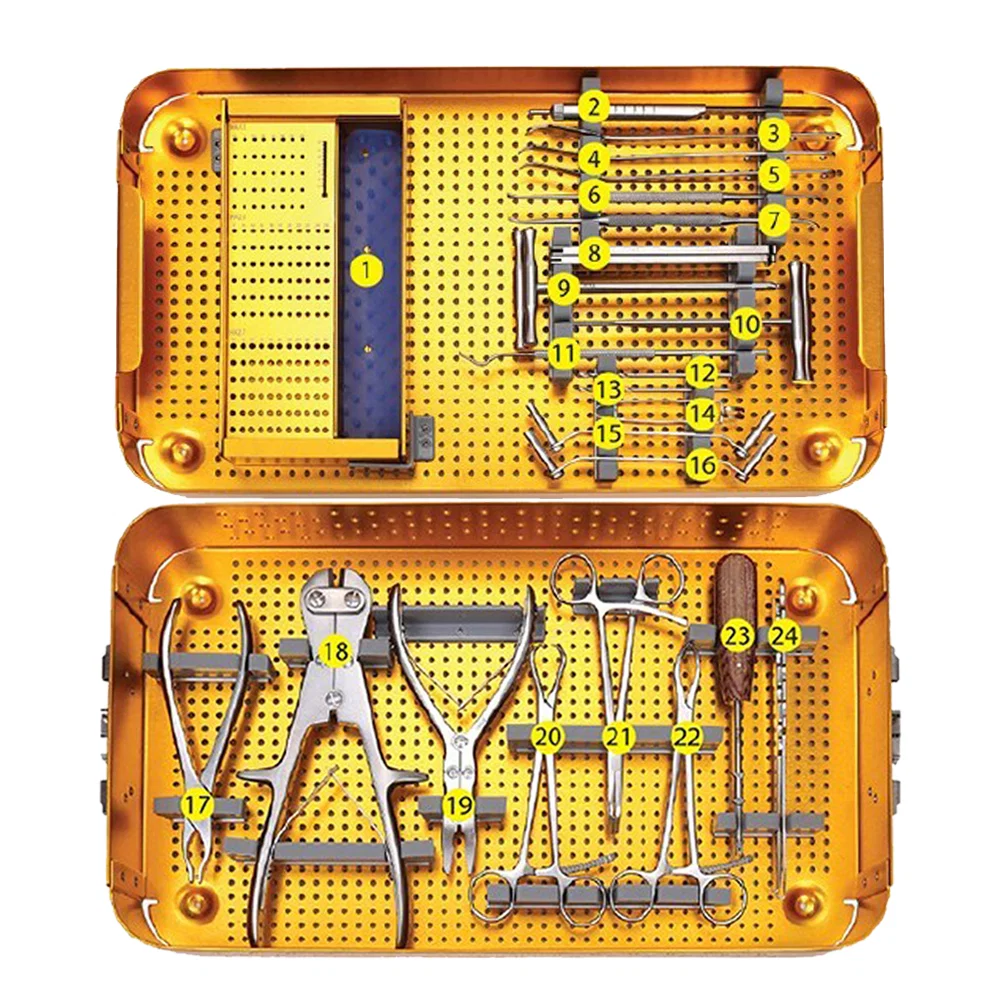
Hasni Surgical manufactures a complete stainless steel orthopedic surgical instrument range — bone mallets, plate benders, bone-holding forceps, osteotomes, and complete orthopedic sets — alongside its dental, ENT, ophthalmic, and veterinary instrument lines, all produced at its Sialkot facility. The company handles both single-piece sample orders and full bulk/OEM production runs for international buyers, and has represented Pakistan’s instrument manufacturing sector at global trade events including the IDEX Dental Expo in Istanbul, Turkey.
For orthopedic buyers specifically, Hasni Surgical maintains detailed product write-ups covering categories such as the stainless steel orthopedic plate bender pair and manual bone-cutting tools like the Gigli saw, making it easier for overseas buyers to verify specifications before committing to an order.
Contact Hasni Surgical directly:
- Phone: +92 308 5391894
- Email: info@hasnisurgical.com
- Website: hasnisurgical.com
2. Suddle Group of Industries (Suddle Surgical)

Founded in 1976, Suddle Group has grown into one of Asia’s largest medical instrument manufacturers, holding CE certification, ISO 9001, and FDA registration. Its orthopedic line specifically covers stainless steel bone cutters, osteotomes, chisels, mallets, bone-holding forceps, and complete orthopedic surgical instrument trays, with international offices in the UK, Canada, and Saudi Arabia supporting buyers directly in those regions.
- Established: 1976
- Certifications: CE, ISO 9001, FDA registered
- Website: suddlegroup.com
3. Fizza Surgical International

Operating since 1980, Fizza Surgical International produces more than 25,000 distinct surgical, dental, orthopedic, and veterinary items — the large majority manufactured from surgical-grade stainless steel — from its Sialkot facility. The company holds ISO 13485:2016 certification and CE marking, accepts OEM orders from as few as 300 units, and reports export relationships with distributors and hospitals across more than 50 countries.
- Established: 1980
- Certifications: ISO 13485:2016, CE
- Website: fizzasurgical.com
What to Verify Before Ordering Stainless Steel Orthopedic Instruments
- Current, dated copies of ISO 13485 and CE certificates specific to orthopedic instrument categories
- Exact stainless steel grade used (e.g., 420/440 series for cutting edges) for load-bearing instruments such as bone cutters and reduction clamps
- ISO 17664/11607-2 documentation for reprocessing and sterile packaging validation, particularly relevant for reusable orthopedic sets
- Willingness to ship a sample or small trial order before a full bulk commitment
- Clarity on who handles import-side customs clearance and duties at your destination
Why Sialkot Remains the Top Source for Stainless Steel Orthopedic Instruments
According to a DHL Pakistan guide to exporting surgical instruments, Sialkot produces the vast majority of Pakistan’s surgical and medical instrument output, with the United States, Germany, and the United Kingdom among the largest destination markets. Exporters are required to obtain an export permit from Pakistan’s Medical Device Board and a test report from the Sialkot Material Testing Laboratory before shipments can legally leave the country — a regulatory layer that, combined with CE/ISO certification, gives international buyers confidence in stainless steel grade and instrument quality even when sourcing remotely.
Related Sourcing Guides
For a deeper certification-focused comparison across ten manufacturers, see our companion guide on Top 10 CE & ISO Certified Orthopedic Instruments Manufacturers in Sialkot. For a shorter shortlist with contact details, see Top 5 Orthopedic Suppliers in Sialkot. If you’re sourcing dental instruments alongside orthopedic categories, our guide to Pakistan’s Top 3 Dental Instrument Manufacturers for Worldwide Export may also help round out your supplier list.
Frequently Asked Questions
Q1: Why is stainless steel preferred over titanium for most orthopedic instruments?
Stainless steel offers strong mechanical durability, corrosion resistance, and edge retention at a lower cost than titanium, making it the standard choice for most reusable orthopedic instruments, while titanium is typically reserved for specific applications needing reduced weight or MRI compatibility.
Q2: What stainless steel grade is typically used for orthopedic cutting instruments?
Martensitic 400-series stainless steel (such as 420 or 440 grades) is commonly used for cutting edges on instruments like osteotomes and bone rongeurs, chosen for its ability to be hardened and hold a sharp edge through repeated sterilization.
Q3: Can I contact Hasni Surgical directly for a stainless steel orthopedic instrument quote?
Yes — you can reach Hasni Surgical by phone at +92 308 5391894, by email at info@hasnisurgical.com, or through hasnisurgical.com.
Q4: What certifications should I check before ordering stainless steel orthopedic instruments?
At minimum, confirm current ISO 9001 and ISO 13485 certification, CE marking for the European market, and FDA registration if importing into the United States.
Q5: Do these manufacturers accept sample orders before bulk purchasing?
Yes, reputable export-focused Sialkot manufacturers, including those listed here, typically accept single-piece or small sample orders so buyers can verify quality before committing to a full bulk shipment.
Q6: What orthopedic instrument categories are most commonly made from stainless steel?
Bone cutters, osteotomes, plate benders, bone-holding forceps, reamers, mallets, and complete orthopedic instrument trays are most commonly manufactured from surgical-grade stainless steel.
Q7: Do these manufacturers offer private-label or OEM stainless steel orthopedic sets?
Yes, OEM and private-label manufacturing with custom packaging and branding is standard among established Sialkot orthopedic exporters, including all three companies listed in this guide.
Q8: How many sterilization cycles can stainless steel orthopedic instruments typically withstand?
With proper cleaning, drying, and storage protocols, well-manufactured surgical-grade stainless steel instruments can withstand hundreds of autoclave sterilization cycles before requiring replacement, though exact lifespan depends on usage intensity and care.
Q9: What documentation is legally required to export stainless steel orthopedic instruments from Pakistan?
Exporters need an export permit from Pakistan’s Medical Device Board and a test report from the Sialkot Material Testing Laboratory, in addition to standard shipping documents such as a commercial invoice and packing list.
Q10: Which countries import the most stainless steel orthopedic instruments from Pakistan?
The United States, Germany, and the United Kingdom are consistently among the largest markets for Pakistani orthopedic and surgical instrument exports.
Conclusion
Stainless steel’s combination of strength, corrosion resistance, and cost-effectiveness keeps it the material of choice for the vast majority of orthopedic instrumentation, and Sialkot’s century-old manufacturing tradition makes it the world’s leading source for these instruments. Hasni Surgical, Suddle Group, and Fizza Surgical International each bring distinct strengths — from broad multi-specialty catalogues to large-scale multi-country office presence and an expansive 25,000+ SKU product range. Whichever manufacturer you shortlist, verify current certification documentation, confirm exact stainless steel grade, request samples, and clarify export logistics before placing a bulk order.
