
Revolutionizing Patient Care with Innovative Dental Implantology Tools and Techniques
August 6, 2026 2026-08-06 10:31Revolutionizing Patient Care with Innovative Dental Implantology Tools and Techniques
 hasni
hasni 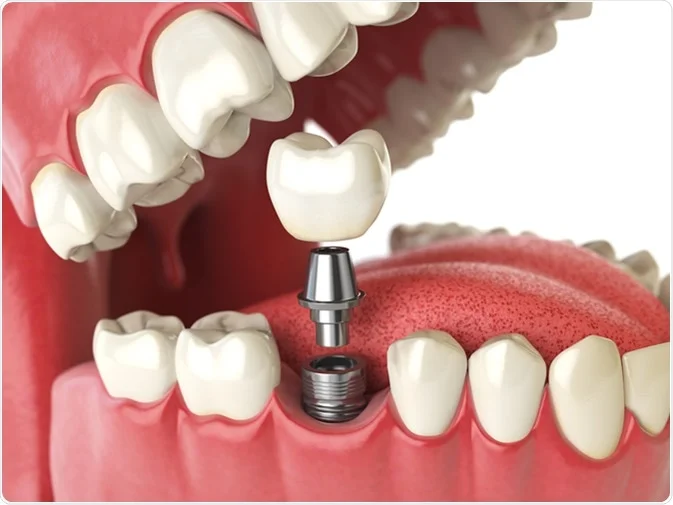
Revolutionizing Patient Care with Innovative Dental Implantology Tools and Techniques
How Dental Implantology Has Changed Patient Care
Dental implantology has moved a long way from the era of freehand drilling guided only by a panoramic X-ray and clinical judgment. Today’s implant workflows increasingly combine 3D imaging, digitally designed surgical guides, biologic healing agents, and precision-engineered surgical instruments to make tooth replacement faster, more predictable, and less traumatic for patients. This shift matters clinically — better planning and more precise placement translate directly into higher implant survival rates and fewer complications, which is ultimately what “revolutionizing patient care” in this field actually means in practice.
This guide walks through the tools and techniques driving that shift, and what they mean for both clinicians building out a modern implant workflow and patients trying to understand what today’s implant treatment actually involves.
Digital Planning: The Foundation of Modern Implant Placement
The single biggest shift in implant dentistry over the past decade has been the move from freehand placement to digitally planned, guided surgery. Cone beam computed tomography (CBCT) scans create a three-dimensional map of a patient’s jaw structure, bone density, and nerve pathways, which clinicians then use in planning software to determine the ideal implant position, angle, and depth before ever picking up a drill. A systematic review on guided dental implant surgery published in PMC notes that correct implant placement is critical for both aesthetic outcomes and respecting the anatomical structures near the implant site, which is exactly what digital planning is designed to protect against.
From this digital plan, a 3D-printed or CAD/CAM-milled surgical guide can be produced, physically constraining the drill to the planned trajectory during surgery. A dedicated review of implant surgical guides published in PMC explains that guided surgery was developed specifically because conventional freehand placement produced unpredictable outcomes, and that high planning and execution accuracy is essential to avoid iatrogenic (surgeon-caused) complications.
Precision Instrumentation: Why the Physical Tools Still Matter
Digital planning is only as good as the physical instruments used to execute it. Modern implant surgery relies on a specific instrument set that has to work in tight coordination with the digital plan:
- Surgical guides and sleeves: Physically constrain drill angle and depth according to the digital plan.
- Graduated implant drills: Precisely sized and depth-marked to osteotomy specifications, used at controlled low speed with continuous irrigation to prevent thermal bone damage.
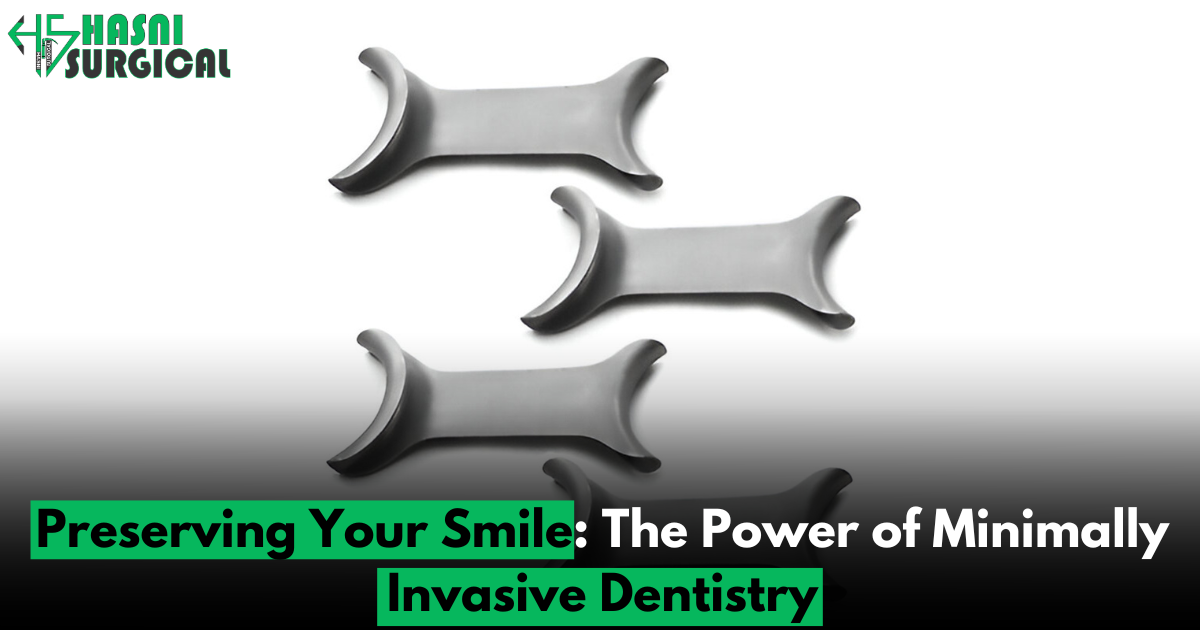
- Cheek and lip retractors: Maintain a clear, unobstructed surgical field throughout the procedure — see our dental instruments range for retractor and mouth-opener options used across implant and oral surgery cases.
- Torque wrenches: Ensure the implant is seated to the manufacturer’s specified insertion torque, an important factor in achieving primary stability.
- Bone grafting and PRF instrumentation: Specialized kits for harvesting, preparing, and placing bone graft material or platelet-rich fibrin membranes where additional bone volume is needed.
Instrument precision matters because implant drilling generates frictional heat, and excessive heat destroys the very bone cells responsible for healing around the implant. A review on osseointegration published in PMC notes that the critical threshold for bone tissue necrosis is around 47°C sustained for about one minute, which is why continuous cooling and controlled, low-speed drilling are non-negotiable parts of the technique — not just the equipment.
Osseointegration: The Biological Foundation Implants Depend On
Osseointegration — the direct structural and functional connection between living bone and the surface of a load-bearing implant — is the biological principle every implant technique is ultimately built around. According to a widely cited review on contemporary concepts in osseointegration, the concept has been under active research since the 1950s, when early microscopic studies in rabbit bone first demonstrated that titanium could form a direct, load-bearing bond with living bone.
Modern research continues to refine what improves osseointegration outcomes. A more recent review on optimizing osseointegration in dental implantology highlights how implant surface topography and chemistry, along with host factors like bone quality and systemic health, all influence how successfully an implant integrates — and points to 3D-printed bioactive scaffolds combined with growth factors as an emerging direction for supporting bone regeneration around implants placed in compromised sites.
Biologic Techniques Supporting Faster, More Predictable Healing
- Bone grafting: Adds volume to sites with insufficient bone for implant placement, using the patient’s own bone, donor bone, or synthetic graft material.
- Sinus lifts: A specific grafting technique used in the upper posterior jaw where sinus proximity limits available bone height.
- Platelet-rich fibrin (PRF): A concentrate of the patient’s own blood, processed chairside, used to accelerate soft tissue and bone healing around the implant site.
- Guided bone/tissue regeneration (GBR/GTR): Uses barrier membranes to direct new bone growth into a defect, an alternative to traditional grafting in select cases.
These biologic techniques don’t replace precise surgical instrumentation — they work alongside it, addressing cases where bone volume or quality would otherwise limit implant success.
Materials: Titanium, Zirconia, and What’s Changing
Titanium has been the gold-standard implant material for decades because of its well-documented ability to osseointegrate reliably with bone. Zirconia implants have gained ground more recently as a metal-free alternative, offering aesthetic advantages in thin-gingiva cases and an option for patients with metal sensitivities, though titanium’s longer clinical track record still makes it the more widely used material overall. Digital workflows now allow both material types to be paired with CAD/CAM-designed, custom-milled crowns and abutments that are matched precisely to a patient’s scanned anatomy rather than a generic stock shape.
What This Means for Patients
- Fewer surprises during surgery: Digital planning means the surgeon has already mapped nerve pathways, sinus boundaries, and available bone before the first incision.
- More predictable healing: Controlled drilling technique and biologic support (PRF, grafting where needed) reduce the variables that lead to complications.
- Better aesthetic outcomes: Digital smile design and custom-milled restorations are matched to facial and dental anatomy rather than adapted from a generic mold.
- Shorter, more comfortable visits in many cases: Guided surgery and digital workflows can reduce chair time and, for suitable cases, support immediate-loading protocols.
Building a Modern Implant Instrument Tray
For clinics building or upgrading an implant instrument set, a few categories are worth prioritizing: precision cheek and tissue retractors for field visibility, a reliable torque-controlled insertion system, graduated osteotomy instruments matched to your implant system’s protocol, and dependable sterilization equipment to maintain a validated reprocessing cycle between cases. Our guide on how surgical instruments are sterilized covers the autoclave and reprocessing standards relevant to implant instrument trays specifically.
Hasni Surgical manufactures dental and oral surgery instrumentation — including cheek retractors, mouth openers, and complete dental instrument sets — from its Sialkot, Pakistan facility, supplying clinics and distributors internationally. You can reach the team directly by phone at +92 308 5391894, by email at info@hasnisurgical.com, or through hasnisurgical.com.
Related Reading
For more on the manufacturing side of dental instrumentation, see our guide to Pakistan’s Top 3 Dental Instrument Manufacturers for Worldwide Export and Top 10 Dental Companies in Sialkot: Complete Buyer’s Guide. If you’re also sourcing rubber dam isolation equipment for restorative or endodontic work alongside implant cases, our Dental Rubber Dam Kit may be a useful companion product.
Frequently Asked Questions
Q1: What is the biggest technological change in dental implantology in recent years?
The shift from freehand implant placement to digitally planned, guided surgery — using CBCT scans, planning software, and 3D-printed surgical guides — is widely considered the most significant advancement, since it allows precise mapping of bone, nerves, and sinus boundaries before surgery begins.
Q2: What is osseointegration and why does it matter?
Osseointegration is the direct structural and functional bond between living bone and an implant surface. It’s considered a prerequisite for implant stability and long-term clinical success, which is why so much of implant technique — from drilling speed to implant surface design — is focused on supporting it.
Q3: Why is controlled drilling speed and irrigation so important during implant placement?
Drilling generates frictional heat, and research shows bone tissue can be damaged at temperatures around 47°C sustained for about a minute. Continuous cooling and controlled low-speed drilling protect the bone cells responsible for healing around the implant.
Q4: What is platelet-rich fibrin (PRF) used for in implant surgery?
PRF is a concentrate prepared from the patient’s own blood, used to support faster soft tissue and bone healing around an implant site, particularly useful alongside grafting procedures.
Q5: Are zirconia implants better than titanium implants?
Neither is universally “better” — titanium has the longer clinical track record and remains the most widely used material, while zirconia offers a metal-free, aesthetically favorable option particularly relevant for patients with thin gingival tissue or metal sensitivities.
Q6: What is a surgical guide and how does it improve implant placement?
A surgical guide is a 3D-printed or CAD/CAM-milled template, based on the digital treatment plan, that physically constrains drill angle and depth during surgery, reducing the unpredictability associated with freehand placement.
Q7: When is bone grafting or a sinus lift necessary before implant placement?
These procedures are used when a patient doesn’t have sufficient bone volume or height at the implant site — bone grafting for general volume deficiencies, and sinus lifts specifically for cases in the upper posterior jaw where sinus proximity limits available bone.
Q8: Do modern implant techniques actually reduce healing time?
Many modern protocols, including biologic support like PRF and improved surgical precision, are associated with faster and more predictable healing compared to older techniques, though healing time still varies by patient health, bone quality, and case complexity.
Q9: What instruments are essential for a clinic building a modern implant surgery tray?
Key categories include precision cheek and tissue retractors, a torque-controlled implant insertion system, graduated osteotomy drills matched to the implant protocol, and validated sterilization equipment for reliable instrument reprocessing between cases.
Q10: Is AI actually being used in dental implant planning today?
Yes — AI-assisted analysis of 3D scans is increasingly used to help clinicians determine implant angle and depth with greater precision during the planning phase, reducing some of the guesswork involved in traditional treatment planning.
Conclusion
The combination of digital planning, precision instrumentation, and biologic healing support has genuinely changed what patients can expect from implant treatment — more predictable outcomes, better-protected anatomy during surgery, and restorations designed around their actual facial and dental structure rather than a generic template. None of this replaces the fundamentals of sound surgical technique and reliable instrumentation; it builds directly on top of them. For clinics investing in a modern implant workflow, that means the physical instrument tray — retractors, graduated drills, torque wrenches, and dependable sterilization equipment — remains just as essential as the digital planning software driving the procedure.
