
Best Stainless Steel Orthopedic Plate Bender Pair: Complete Guide for Surgeons & Procurement Teams
June 22, 2026 2026-06-22 10:11Best Stainless Steel Orthopedic Plate Bender Pair: Complete Guide for Surgeons & Procurement Teams
 hasni
hasni 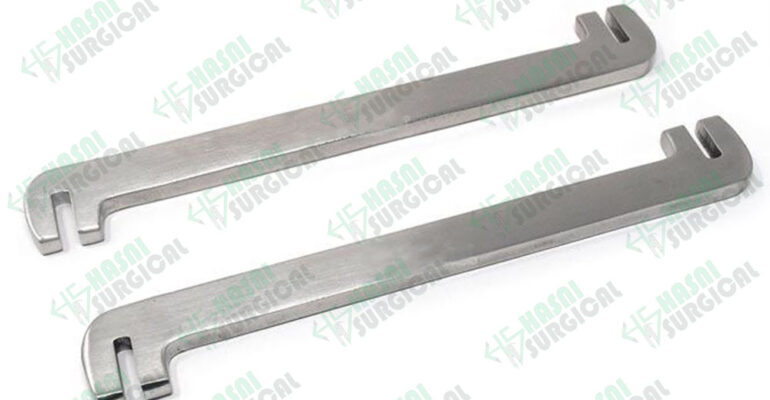
Best Stainless Steel Orthopedic Plate Bender Pair: Complete Guide for Surgeons & Procurement Teams
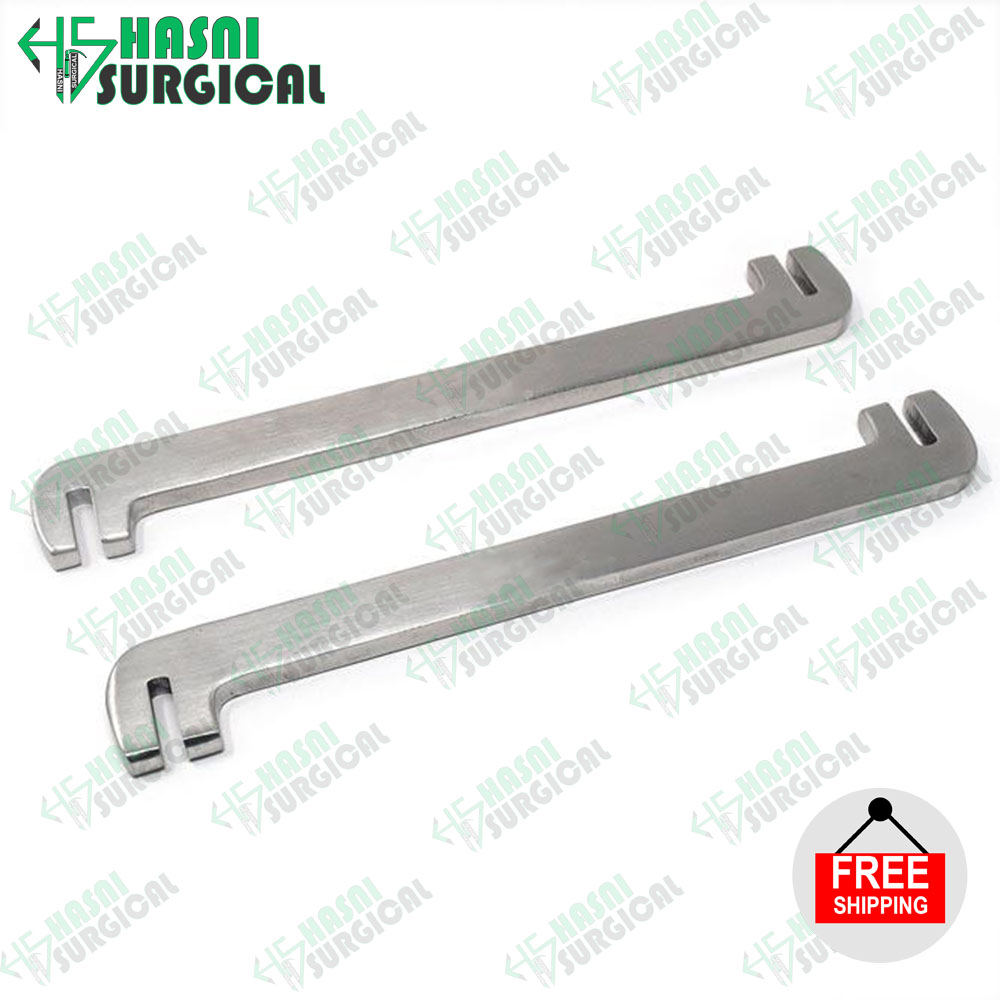
In orthopedic surgery, the perfect fit between a bone plate and the patient’s bone is not optional — it is everything. A plate that doesn’t conform precisely to the bone’s natural contours causes stress concentration, risks fixation failure, and can severely delay fracture healing. That’s why the orthopedic plate bender pair is one of the most critical — and often underestimated — instruments in any orthopedic surgical set.
In this comprehensive guide, we cover everything surgeons, OR nurses, scrub technicians, and procurement teams need to know about the stainless steel orthopedic plate bender pair: what it is, how it works, key features, which procedures require it, how to use it correctly, and how to maintain it for years of reliable service.
“A bone plate that doesn’t fit the bone is worse than no plate at all. The plate bender pair is what makes a perfect, anatomical fit possible — every single time.”
What Is an Orthopedic Plate Bender Pair?
An orthopedic plate bender is a specialized surgical instrument designed to contour and shape bone fixation plates so they conform precisely to the unique anatomy of a patient’s bone. Because no two patients have identical bone geometry, pre-formed fixation plates almost always require intraoperative bending before they can be correctly applied.
The instrument is always sold and used as a pair — two matched bending instruments that work together in tandem. One tool provides a stable fulcrum point on the plate, while the other applies controlled bending force. This paired approach allows the surgeon to shape the plate incrementally with full precision — without creating stress fractures, kinks, or weak points in the metal.
Plate bender pairs are essential in a wide range of surgical cases involving bone fixation plates, including:
- Long bone fractures of the femur, tibia, humerus, radius, and ulna
- Small and mini fragment fixation in the hand, wrist, foot, and ankle
- Pelvic and acetabular reconstruction procedures
- Spinal instrumentation and fusion surgery
- Craniofacial and maxillofacial plate contouring
- Veterinary orthopedic surgery across a range of species
Why the Plate Bender Pair Is Indispensable in Fracture Surgery
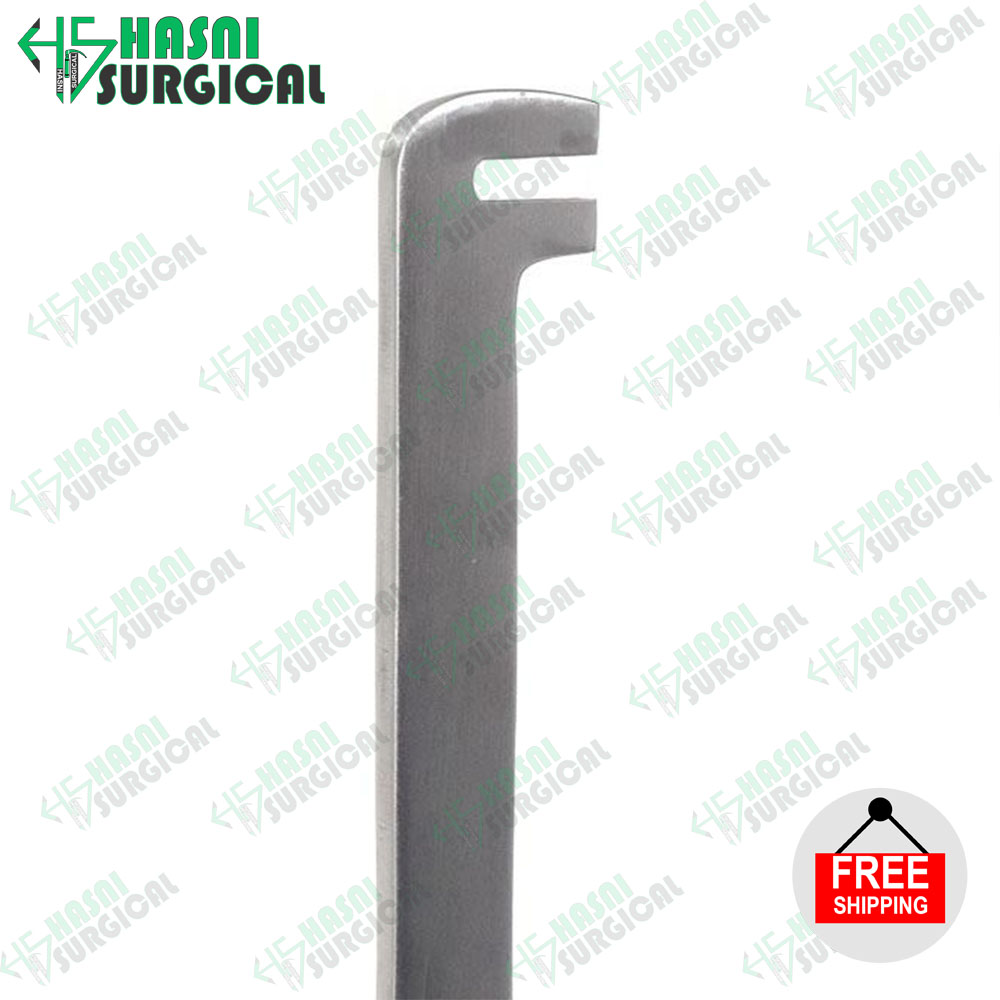
The biomechanics of bone plate fixation are well established in orthopedic literature. When a plate fits the bone perfectly, compressive and tensile forces are distributed evenly across the entire fixation construct. When a plate is applied without proper contouring, the following clinical problems arise:
- Plate-bone gap: Creates a bending moment every time the patient loads the limb, progressively fatiguing the plate and loosening the screws
- Fracture malalignment: An ill-fitting plate can actually pull fracture fragments out of anatomic position as screws are tightened
- Screw pullout: Excessive toggle at the bone-plate interface weakens screw purchase over time, leading to hardware failure
- Delayed union or nonunion: Poor fixation mechanics create an unfavorable mechanical environment that impairs bone healing
- Re-operation: Fixation failure leads to expensive, high-risk revision surgery — always avoidable with proper plate contouring
A well-designed plate bender pair eliminates all these risks by giving the surgeon precise, incremental control over plate shape — directly on the sterile field, before the plate touches the bone.
Key Features of the Basic Orthopedic Plate Bender Pair
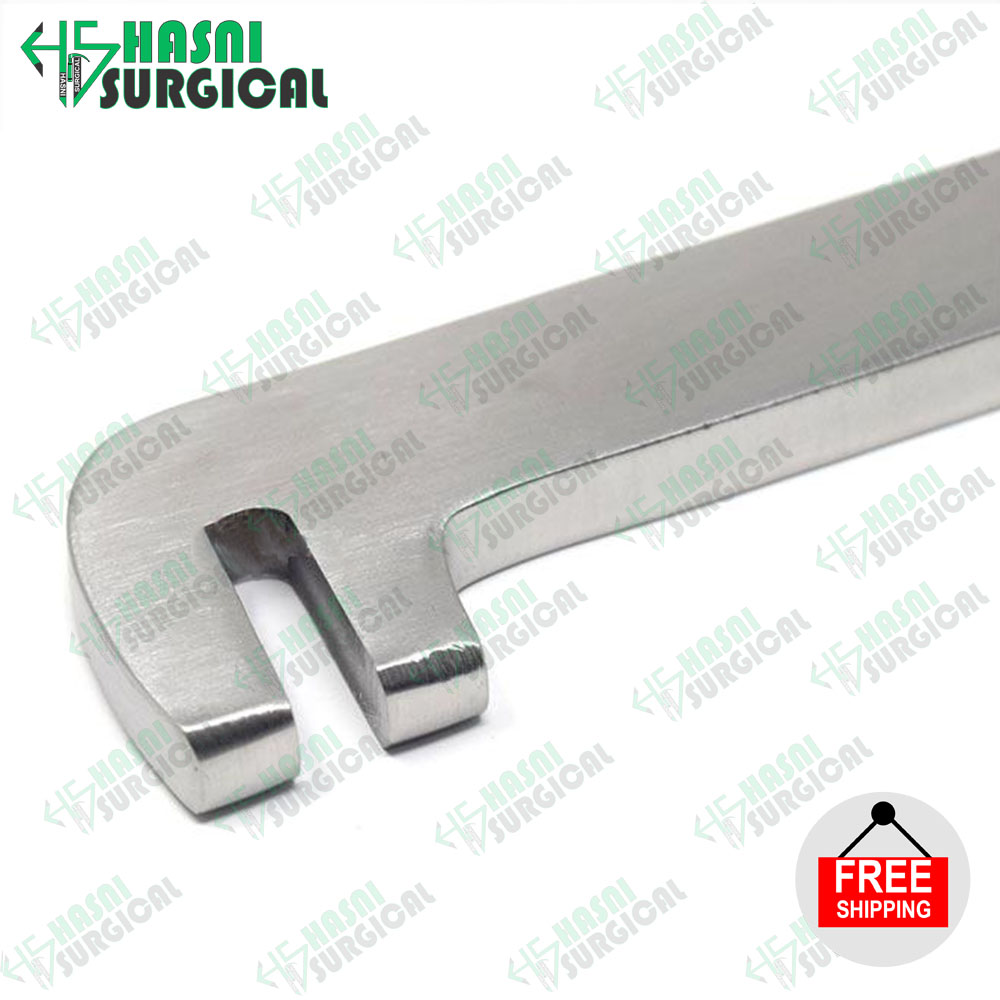
1. Premium Stainless Steel Construction
Manufactured from medical-grade stainless steel, the plate bender pair delivers exceptional strength, corrosion resistance, and durability. The high chromium and nickel content provides outstanding resistance to steam sterilization — maintaining structural integrity, dimensional accuracy, and surface finish through hundreds of autoclave cycles without deterioration.
2. Ergonomic Handle Design
The handles are designed with surgeon comfort in mind. Contoured for a secure, confident grip even through double-gloved hands, the ergonomic design reduces hand fatigue during complex multi-plane bending procedures. The handle geometry provides the tactile feedback surgeons need to apply precise, controlled force — without the risk of overbending or plate kinking.
3. Matched Pair for Controlled, Precise Bending
Supplied as a calibrated matched pair, both instruments are designed to work in perfect coordination. One bender provides a stable, fixed point on the plate — typically straddling a screw hole for a defined fulcrum — while the other applies the bending force at a measured distance. This paired technique produces smooth, controlled plate contouring without stress concentrations, kinks, or uneven bends that substitute instruments cannot achieve.
4. Broad Plate System Compatibility
The basic plate bender pair is engineered to accommodate the range of plate widths and thicknesses used in standard orthopedic trauma and reconstructive surgery. It is compatible with both stainless steel and titanium fixation plates used in small fragment, large fragment, periarticular, and reconstructive procedures — making it a versatile choice for general orthopedic departments.
5. Full Autoclave and Sterilization Compatibility
The plate bender pair is fully compatible with steam autoclave sterilization at 134°C per standard gravity and pre-vacuum cycle protocols. The stainless steel construction maintains its dimensional stability, mechanical strength, and surface finish through repeated sterilization — meeting the requirements of high-volume surgical departments that sterilize instruments multiple times per day.
6. Brand New & Quality Controlled
Every unit is supplied in brand-new condition — not refurbished or reprocessed. Each pair undergoes rigorous quality control inspection before dispatch and is ultrasonic cleaned to ensure it arrives free of any manufacturing contaminants, ready for immediate use after sterilization.
Small Fragment vs. Large Fragment Plate Benders: Which Do You Need?
| Feature | Small Fragment Plate Bender | Large Fragment Plate Bender |
|---|---|---|
| Plate system | Up to 3.5 mm plate systems | 4.5 mm and larger plate systems |
| Primary use | Distal radius, clavicle, hand, foot, ankle | Femur, tibia, humerus, pelvis, spine |
| Bending force | Lower — fine controlled bending | Higher — robust force for thick plates |
| Handle size | Compact, lightweight | Longer handle for greater leverage |
| Supplied as | Pair | Pair |
| Material | Premium stainless steel | Premium stainless steel |
The Basic Orthopedic Plate Bender Pair from Hasni Surgical covers the most commonly used plate sizes in general orthopedic trauma surgery. For specialized high-volume departments, Hasni Surgical offers additional bender configurations for specific plate systems and fragment sizes.
Common Surgical Procedures Requiring a Plate Bender Pair
Open Reduction and Internal Fixation (ORIF)
ORIF is the gold standard for displaced fractures of long bones and periarticular regions. The plate bender pair is used intraoperatively to contour the fixation plate to the patient’s specific bone shape before screw insertion begins. Proper plate contouring is essential for achieving the compression and stability needed for primary bone healing.
Distal Radius Fracture Fixation
Volar plating of distal radius fractures requires precise plate contouring to match the volar tilt of the radial articular surface. Even small deviations in plate fit can alter the fracture reduction or risk hardware prominence at the watershed line — making the plate bender pair essential in every wrist fracture procedure.
Clavicle Fracture Repair
The natural S-shaped curvature of the clavicle demands careful plate bending in multiple planes. A well-calibrated plate bender pair allows the surgeon to match the plate precisely to the individual patient’s clavicle shape — eliminating the trial-and-error that wastes intraoperative time and risks plate damage.
Tibial Plateau and Femoral Fracture Repair
Large fragment plate fixation of tibial plateau and femoral shaft fractures often requires significant plate contouring, particularly in the metaphyseal region where bone geometry transitions from cylindrical to flared. Plate benders designed for large fragment systems allow precise multi-plane bending on the surgical field.
Pelvic Ring and Acetabular Reconstruction
Reconstruction plates used in pelvic ring injuries and acetabular fractures require complex three-dimensional contouring to match the unique curved anatomy of the pelvis. The plate bender pair, used in combination with dedicated plate bending irons, allows the surgical team to achieve the precise three-dimensional shape required before implantation.
Veterinary Orthopedic Surgery
Plate bender pairs are equally essential in veterinary surgery, where the extraordinary diversity of bone shapes and sizes across different animal species makes reliable intraoperative plate contouring non-negotiable. The instruments are widely used in veterinary orthopedic practice for fracture repair in dogs, cats, horses, and other animals.
How to Use the Orthopedic Plate Bender Pair: Step-by-Step Technique
Correct technique ensures controlled, precise plate contouring without damaging the plate or creating stress concentrations that could lead to implant failure. Follow this standard intraoperative workflow:
- Template the plate against the bone: Hold the selected plate against the bone surface to identify which segments require bending and the direction of bend needed (medial, lateral, twist, or compound).
- Position the first bender as fulcrum: Place one bender at a stable point on the plate — typically straddling a screw hole — to create a defined, controlled fulcrum point.
- Apply the second bender at the bending point: Position the second instrument at the exact point where bending force will be applied, at the correct distance from the fulcrum for the desired bend radius.
- Apply slow, controlled force: Using both hands, apply steady, progressive pressure. Avoid sudden or jerky movements — these can kink the plate or create an unintended bend angle.
- Check fit after each increment: Hold the plate against the bone surface after each small bend to assess the contour. Repeat incrementally until the plate lies perfectly flush.
- Address twist if needed: For bones requiring multi-plane bending, reposition the bender pair to introduce controlled twist or compound curvature.
- Final check before fixation: The plate must lie in intimate contact with the bone along its full length before any screws are inserted. Any rocking or gapping requires further contouring.
⚠️ Critical Rule: Never bend a plate at the same location more than twice. Repeated bending at a single point creates metal fatigue and can significantly weaken the plate — increasing the risk of implant fracture after fixation.
Stainless Steel vs. Titanium: Which Material is Best for Plate Benders?
| Property | Stainless Steel Bender | Titanium Bender |
|---|---|---|
| Tensile strength | Very high — ideal for repeated bending loads | Lower — may deform under repeated high stress |
| Durability | Excellent — resists fatigue over thousands of uses | Moderate — higher fatigue susceptibility |
| Corrosion resistance | Excellent with standard sterilization care | Superior — but unnecessary for reusable instruments |
| Cost | Cost-effective — ideal for high-volume departments | 3–5× more expensive — not justified for benders |
| Autoclave compatibility | Fully compatible at 134°C | Compatible but cost-prohibitive for benders |
| Verdict | ✅ Optimal for plate bending instruments | Best reserved for implants only |
The conclusion is clear: for plate bending instruments, high-grade stainless steel is the material of choice. Its superior tensile strength and fatigue resistance make it ideal for instruments that must withstand significant, repeated mechanical loads. Titanium’s advantages — lighter weight and exceptional corrosion resistance — are best realized in implants, not in the reusable instruments used to bend them.
Sterilization and Maintenance Guide
Proper care of your orthopedic plate bender pair protects both the instruments and the patients they serve. Follow these best-practice protocols to ensure maximum instrument lifespan:
- Point-of-use cleaning: Wipe instruments immediately after use to remove blood, bone debris, and tissue before it dries and adheres
- Enzymatic pre-soak: Soak for 10–15 minutes in a pH-neutral enzymatic cleaner — never chloride-based solutions, which damage stainless steel
- Ultrasonic cleaning: Place in ultrasonic cleaner with enzymatic detergent for 10–15 minutes to remove debris from all surfaces including joints and textured grip areas
- Rinse with distilled water: Prevents mineral deposits and surface spotting that can harbor contaminants
- Visual inspection: Check working ends for deformation, surface pitting, or signs of metal fatigue before each sterilization cycle
- Steam autoclave at 134°C: Sterilize per standard gravity or pre-vacuum protocol — allow complete dry cycle before removing
- Correct storage: Store in a clean, dry labeled instrument tray — never loose in a general instrument bin
Buyer’s Checklist: What to Look for in an Orthopedic Plate Bender Pair
- ☑️ Material: Confirmed medical-grade stainless steel — not chrome-plated or lower-grade alloy
- ☑️ Supplied as a matched pair: Both instruments included, calibrated to work together
- ☑️ Ergonomic handles: Comfortable through double-gloved hands; adequate leverage without fatigue
- ☑️ Working end quality: Smooth, precision-formed tips that grip plates securely without slipping or scratching
- ☑️ Autoclave compatibility: Confirmed for steam sterilization at 134°C
- ☑️ Plate system compatibility: Appropriate for the plate widths and thicknesses used in your department
- ☑️ Brand new condition: Not refurbished or reprocessed — every unit fresh from quality-controlled manufacturing
- ☑️ Supplier reliability: Established manufacturer with international shipping, QC documentation, and a clear return policy
Why Choose Hasni Surgical for Your Orthopedic Plate Bender Pair?
Hasni Surgical is a premium surgical instrument manufacturer based in Sialkot, Pakistan — the globally recognized hub of surgical instrument manufacturing. Established with a commitment to continuous progress and uncompromising quality, Hasni Surgical supplies precision orthopedic, surgical, dental, and veterinary instruments to hospitals, clinics, and distributors in more than 50 countries worldwide.
- ✅ Premium stainless steel: Medical-grade construction for superior strength, corrosion resistance, and service life
- ✅ Brand new — every unit: No refurbished or reprocessed stock ever supplied
- ✅ Quality control passed: Every pair undergoes thorough QC inspection before dispatch
- ✅ Ultrasonic cleaned: Instruments cleaned before packaging — arrives contaminant-free
- ✅ Fast worldwide shipping: Dispatched within 2 working days; delivery 10–35 days depending on destination
- ✅ 25% bulk order discount: Ideal for hospitals, distributors, and clinics purchasing in volume
- ✅ 60-day money-back guarantee: Full refund if not completely satisfied
Frequently Asked Questions (FAQ)
What is an orthopedic plate bender pair used for?
An orthopedic plate bender pair is used to contour bone fixation plates intraoperatively so they conform precisely to the patient’s bone anatomy before screw fixation. The two matched instruments work together — one providing a stable fulcrum point and the other applying controlled bending force — to shape the plate incrementally with full precision.
Why is the plate bender always supplied as a pair?
The paired design is essential for controlled, precise bending. One instrument holds the plate stable at a fixed point while the other applies bending force at a measured distance. This two-point technique prevents uncontrolled kinking and allows the surgeon to bend the plate incrementally, with complete control over degree and direction of bend. Single benders cannot achieve the same level of precision.
Can I bend titanium plates with a stainless steel plate bender?
Yes — stainless steel plate benders are routinely used to contour both stainless steel and titanium bone plates. Titanium plates require slightly more deliberate force application due to titanium’s spring-back characteristics, but the same bending technique applies. A properly designed stainless steel bender pair causes no damage to titanium plate surfaces.
How many times can I bend a bone plate at the same location?
Most orthopedic implant manufacturers recommend that bone plates should not be bent at the same point more than twice. Repeated bending at a single location creates metal fatigue that can significantly reduce the plate’s structural strength — increasing the risk of plate fracture after implantation. Always aim to achieve the correct contour in as few bending increments as possible.
Does Hasni Surgical ship orthopedic instruments internationally?
Yes. Hasni Surgical ships worldwide from Sialkot, Pakistan, dispatching within 2 working days of order confirmation. Delivery typically takes 10–35 days depending on the destination. Bulk orders qualify for a 25% discount. Import duties and customs charges are the responsibility of the buyer — contact your local customs authority for current rates before ordering.
How do I sterilize the orthopedic plate bender pair?
The stainless steel plate bender pair is fully compatible with steam autoclave sterilization at 134°C. Follow the complete decontamination protocol: point-of-use cleaning → enzymatic pre-soak (10–15 min) → ultrasonic cleaning → rinse with distilled water → visual inspection → steam autoclave (134°C) → complete dry cycle → storage in clean labeled tray.
Is there a minimum order quantity?
No minimum order quantity is required. Single pairs can be ordered directly. However, bulk orders qualify for a 25% discount — making Hasni Surgical an excellent choice for hospitals, procurement departments, and distributors stocking multiple instruments. Contact Hasni Surgical directly for custom bulk pricing and procurement support.
Conclusion
The orthopedic plate bender pair may appear to be a simple instrument — but its contribution to surgical outcomes is profound. Perfectly contoured plates heal fractures faster and more reliably. Poorly contoured plates fail. That critical distinction begins with the quality of the bending instrument used intraoperatively.
The Basic Orthopedic Plate Bender Pair by Hasni Surgical delivers the precision, durability, and reliability that orthopedic surgeons and OR teams demand — manufactured from premium stainless steel, backed by rigorous quality control, and available with worldwide shipping and a 60-day money-back guarantee. Whether you are equipping a new trauma department, replacing worn instruments, or building a veterinary orthopedic set, Hasni Surgical has the right instrument for your needs.
