
Plastic Surgery Scissors: An Essential Buyer’s Guide for Consistent Surgical Outcomes
July 23, 2026 2026-07-24 6:03Plastic Surgery Scissors: An Essential Buyer’s Guide for Consistent Surgical Outcomes
 hasni
hasni 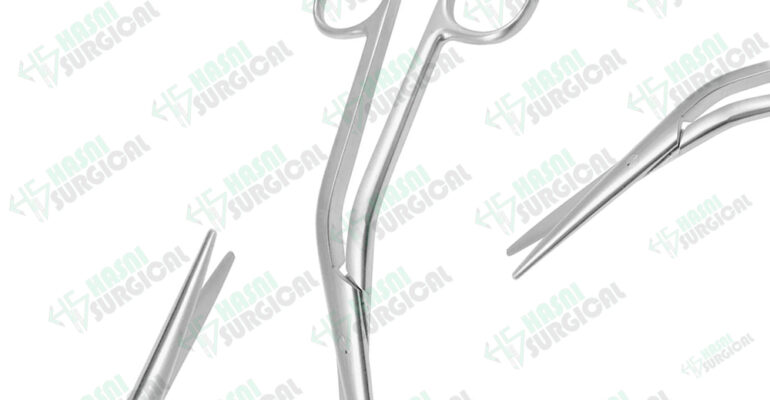
Plastic Surgery Scissors: An Essential Buyer’s Guide for Consistent Surgical Outcomes
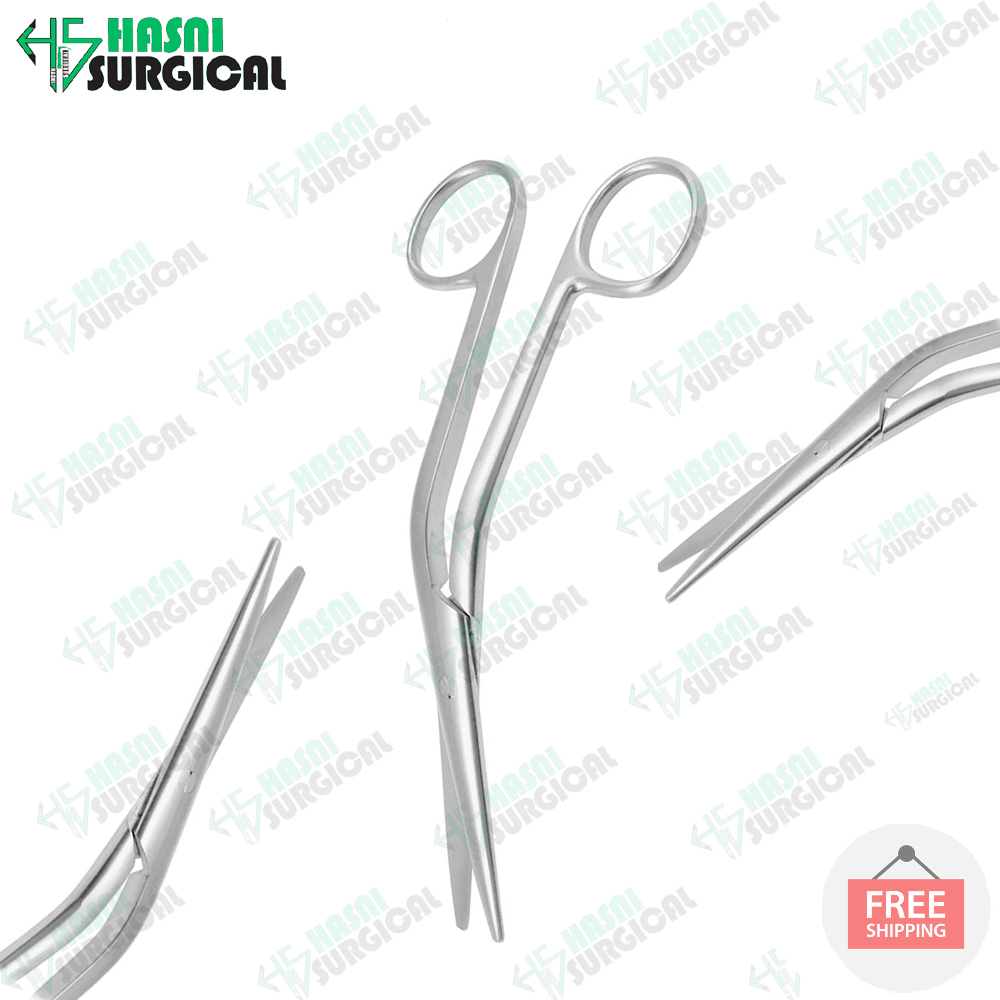
A surgeon’s hand is only as precise as the instrument it holds. In plastic and reconstructive surgery, where millimeters matter and tissue trauma can mean the difference between a clean result and a complication, plastic surgery scissors are not interchangeable. The wrong pair — too heavy, too blunt, or the wrong blade angle — introduces drag, tears tissue, and compromises outcomes.
This guide is for surgeons, OR managers, procurement officers, and distributors who need confident decisions about plastic surgery scissors. For a broader overview, see our complete guide to professional plastic surgery instruments and our guide on 4 essential plastic surgery instruments.
Why Scissors Matter More in Plastic Surgery
In rhinoplasty, blepharoplasty, facelift, and reconstructive procedures, plastic surgery scissors are often the primary dissection tool. According to peer-reviewed literature on intermediate and complex wound closures (NCBI StatPearls), Iris and Metzenbaum scissors are the most commonly referenced instruments for fine dissection in skin reconstruction.
- Glide through delicate subcutaneous layers without snagging
- Maintain a precise cutting edge through extended procedures
- Offer enough tactile feedback that the surgeon can feel tissue resistance changes
- Stay sharp through repeated sterilization cycles
Types of Plastic Surgery Scissors
1. Iris Scissors

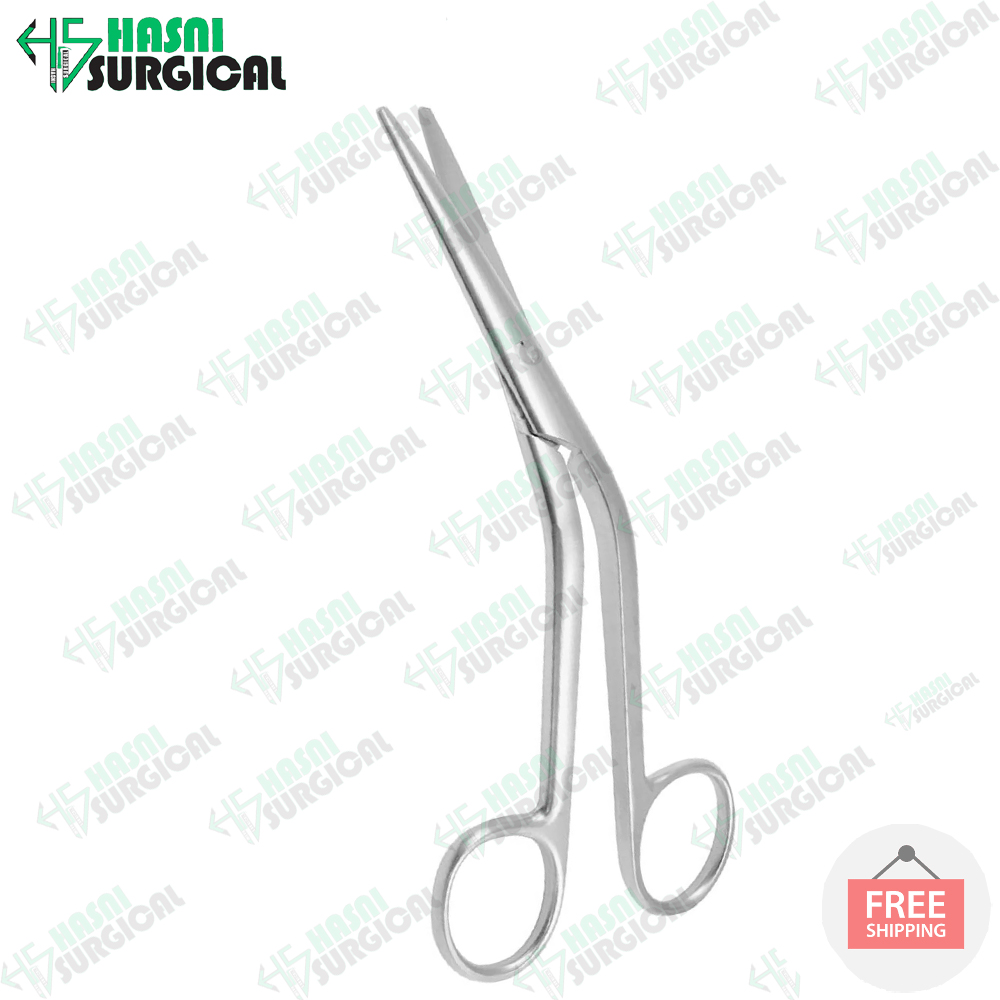
Iris scissors are small, fine-pointed plastic surgery scissors originally developed for ophthalmic surgery but now widely used for precise, superficial dissection and trimming. Their short blades (4.5–5 inches) give the surgeon fine control in tight spaces — around the eyelid, nasal tip, or ear. Our Iris Scissors Curved 4.5″ are fully autoclavable and certified to ISO 9001, ISO 13485, and CE standards.
Best for: Blepharoplasty, rhinoplasty, ear surgery, suture trimming, fine skin work
2. Metzenbaum Scissors
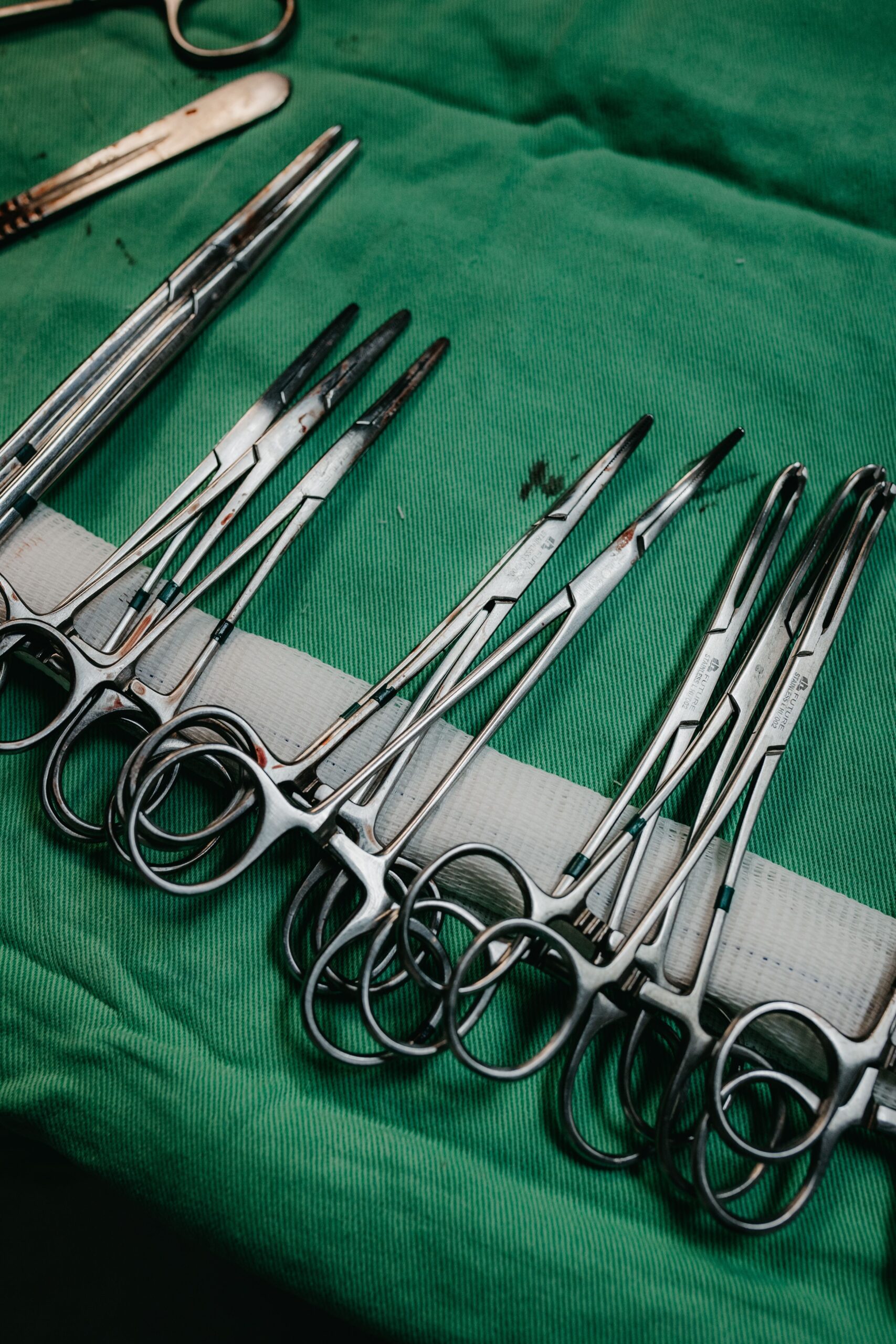
Metzenbaum scissors are the workhorse of plastic surgery scissors for dissection. Designed by American surgeon Myron Firth Metzenbaum (1876–1944), their long, slender curved blades allow the surgeon to follow tissue planes and work at depth. According to NCBI platysmaplasty literature, Metzenbaum scissors with fine curved blunt tips are specifically recommended for undermining of the platysma in facelift procedures. Browse our Metzenbaum scissors range.
Best for: Subcutaneous dissection, tissue plane development, body contouring, deep facelift layers
3. Facelift (Rhytidectomy) Scissors
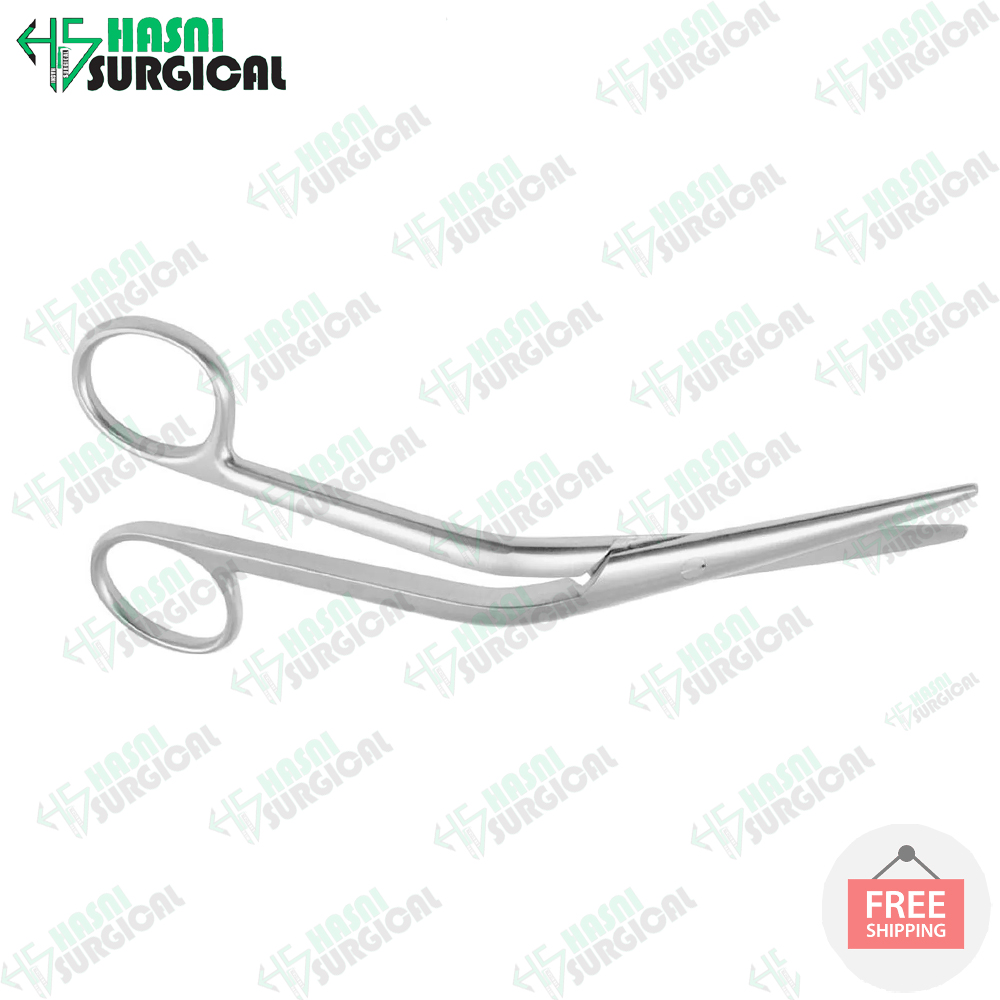
Facelift scissors are purpose-designed plastic surgery scissors for rhytidectomy. Common variants — including Gorney-Freeman, Kaye, Goldman-Fox, Peck-Joseph, and Castañares scissors — feature long, narrow blades that navigate the SMAS layer without excessive drag. The NCBI deep plane facelift guide confirms that Gorney-Freeman or Kaye facelift scissors are used to develop the subcutaneous flap to the deep-plane entry line. PMC literature also notes that the sharpened lateral edge of facelift scissors dissects tissue when the joint is opened. See our facelift scissors selection.
Best for: SMAS dissection, subcutaneous undermining in facelift procedures, cervicoplasty
4. Tenotomy (Stevens) Scissors
Tenotomy scissors — sometimes called Stevens scissors — are small, curved, and fine-pointed plastic surgery scissors, similar to Iris scissors but with slightly longer blades. They are especially useful for precise tissue release, scar revision, and work around tendons or delicate structures.
Best for: Scar revision, tissue release, delicate dissection near tendons and vessels
5. Undermining Scissors
Undermining scissors are plastic surgery scissors designed for creating skin flaps by separating skin from underlying tissue. Blunt, curved blades allow controlled spreading rather than cutting, reducing the risk of perforating skin. Widely used in breast, abdominal, and facial flap procedures.
6. Suture and Bandage Scissors
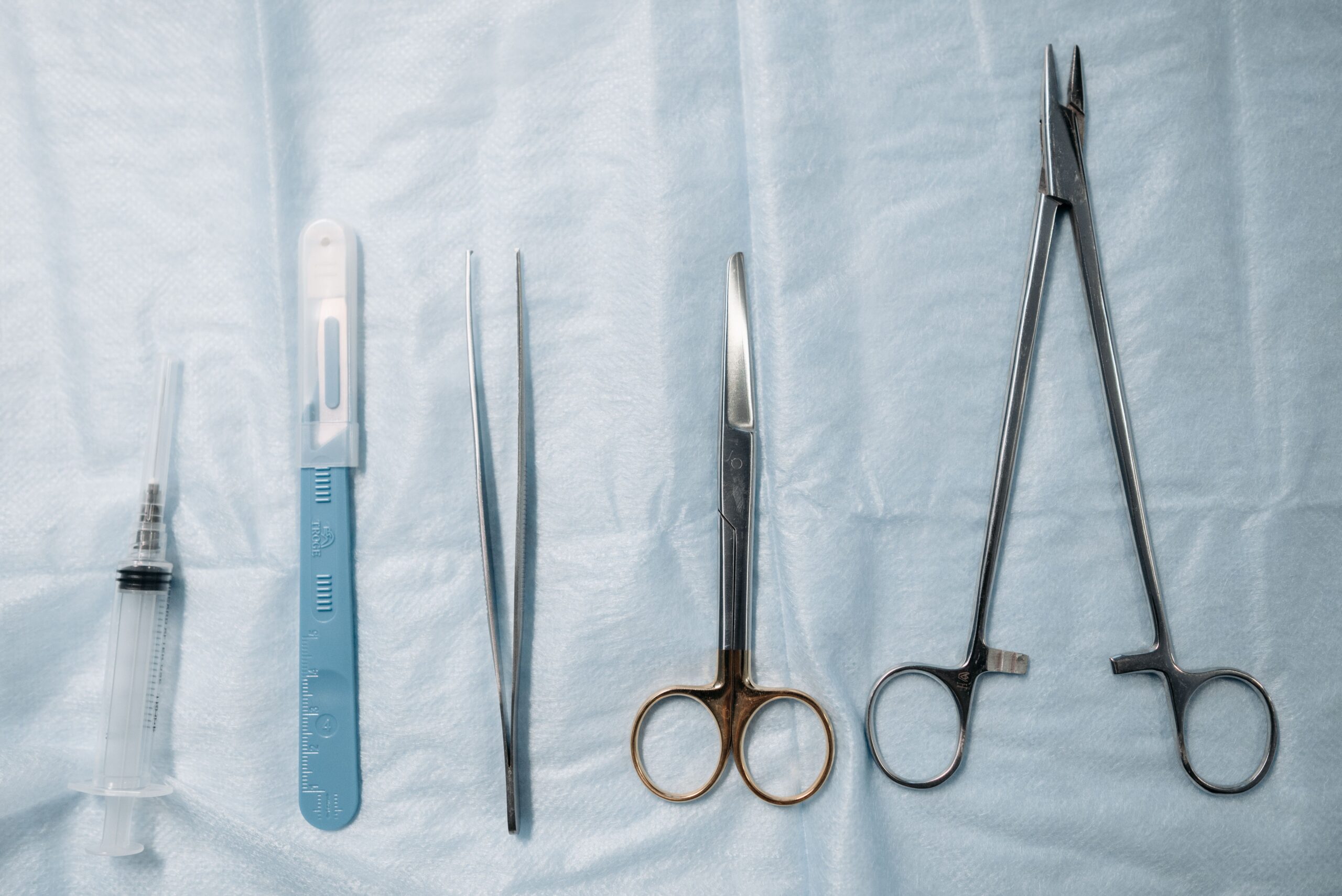
Not all plastic surgery scissors on a tray are for dissection. Suture scissors with sharp, fine tips cut suture material without dragging. Bandage scissors with their angled blade handle post-operative dressing changes. Both must stay sharp and should never be used interchangeably with tissue scissors. Browse our complete scissors range.
Blade Design: What Actually Affects Performance
Blade Curvature
Straight blades are best for cutting in a direct plane. Curved blades follow tissue contours and are better suited to dissection work where the surgeon needs to navigate around structures. This applies across all types of plastic surgery scissors.
Tip Shape
- Sharp-sharp tips — both tips pointed; used for precision cutting and fine incisions
- Sharp-blunt tips — one sharp, one blunt; a safety compromise for working near delicate structures
- Blunt-blunt tips — both tips rounded; preferred for undermining and blunt dissection where skin perforation is a risk
Blade Length
Shorter blades give more control for superficial and detailed work. Longer blades are needed for deep dissection, particularly in body contouring or deep-plane facelift procedures.
Serration
Micro-serrated blades prevent tissue from slipping during cutting — useful for fibrous or slippery tissue. However, serrated blades can catch on delicate tissue and are less suitable for pure dissection work.
Material and Manufacturing Quality
Surgical Stainless Steel (Grade 410 or 420)
Standard surgical stainless is the most common material for plastic surgery scissors — durable, sterilizable, and holds a reasonable edge. Quality varies significantly between manufacturers.
Tungsten Carbide Insert Blades
High-volume facilities often choose plastic surgery scissors with tungsten carbide inserts, identifiable by gold-colored rings on the handles. TC inserts maintain their cutting edge through far more sterilization cycles. For more, see our guide to surgical needle holders with TC inserts.
Titanium Alloy
Titanium plastic surgery scissors are lighter than stainless and offer excellent corrosion resistance. See our complete guide to titanium surgical scissors for detailed comparisons.
How to Choose the Right Plastic Surgery Scissors
Step 1 — Map Your Procedure Mix
A facility doing predominantly facial procedures will prioritize different plastic surgery scissors than one focused on body contouring. List the five most common procedures and identify which scissor types are used most frequently.
Step 2 — Assess Sterilization Volume
High-volume facilities cycling plastic surgery scissors multiple times per day need blades that hold up to repeated autoclaving. In these settings, tungsten carbide inserts justify their cost premium.
Step 3 — Evaluate Sharpness at Point of Purchase
Plastic surgery scissors should cut through a single layer of gauze cleanly with no dragging. Blades that snag at purchase will only perform worse after sterilization cycles.
Step 4 — Check Box-Lock Quality
The box-lock joint determines blade alignment through use of all plastic surgery scissors. Open and close the scissors several times — there should be no lateral play between the blades.
Step 5 — Verify Manufacturer Standards
Plastic surgery scissors should meet ISO 7153-1 and CE marking for European markets. For guidance on evaluating instrument quality, see our guides to surgical forceps and surgical specula.
Care, Maintenance, and Sterilization
- Clean immediately after use — blood and tissue debris corrodes the cutting edge of plastic surgery scissors
- Open blades fully before sterilization — steam must reach every surface including the box-lock joint
- Use enzymatic pre-soak for instruments with organic residue before ultrasonic cleaning or autoclaving
- Inspect after every sterilization cycle — bent tips and nicked edges should be caught before the instrument reaches the OR
- Store separately from heavier instruments to prevent tip damage
- Never use tissue scissors to cut sutures — suture material dulls plastic surgery scissors rapidly
Common Procurement Mistakes
- Buying on price alone — cheapest plastic surgery scissors often cost more long-term due to faster dulling
- Standardizing on too few designs — a tray with only Metzenbaum scissors will be inadequate for fine facial work
- Mixing suture and tissue scissors — keeping these separate extends tissue scissor life significantly
- Ignoring tip alignment — scissors whose tips no longer meet precisely cannot cut cleanly regardless of sharpening
Frequently Asked Questions
What scissors are most commonly used in facelift surgery?
Facelift scissors — including Gorney-Freeman, Kaye, Goldman-Fox, and Castañares designs — are the primary choice for SMAS and subcutaneous dissection. Metzenbaum scissors are also frequently used for deeper dissection layers. All are available in our plastic surgery scissors range.
What is the difference between Iris scissors and tenotomy scissors?
Iris scissors are slightly more compact and used for superficial skin and suture work around the eyes and nose. Tenotomy (Stevens) scissors have slightly longer blades and are more commonly used for tissue release and scar revision. Both are types of plastic surgery scissors.
How often should plastic surgery scissors be sharpened?
The practical indicator is performance: if plastic surgery scissors require more than minimal pressure to cut cleanly through tissue or gauze, they need sharpening or replacement.
Are tungsten carbide scissors worth the extra cost?
For high-volume facilities, generally yes. Tungsten carbide insert plastic surgery scissors hold their edge significantly longer than standard stainless steel, reducing sharpening frequency and replacement costs.
Can plastic surgery scissors be repaired if the tips are damaged?
Minor tip damage can sometimes be corrected by a professional repair service. Plastic surgery scissors with significantly bent tips, cracked blades, or a failed box-lock joint are generally more cost-effective to replace.
What size Metzenbaum scissors are best for plastic surgery?
Most plastic surgeons prefer a 7-inch curved Metzenbaum for general dissection. Shorter versions (5.5–6 inch) suit finer facial work, while longer versions (8–9 inch) are preferred for deeper dissection in body contouring. Browse our plastic surgery scissors collection for all sizes.
Should plastic surgery scissors be autoclaved or cold sterilized?
Steam autoclave sterilization is the standard for reusable plastic surgery scissors in stainless and tungsten carbide. Always follow the manufacturer’s sterilization guidelines for specific instruments.
Conclusion
Plastic surgery scissors are not a commodity. The right selection — matched to procedure type, tissue characteristics, and surgeon preference — reduces operative time, minimizes tissue trauma, and contributes directly to consistent surgical outcomes.
Browse our complete range of plastic surgery scissors and surgical instruments — all built to ISO standards with consistent quality. For related reading, see our guides to surgical forceps, titanium surgical scissors, and our professional plastic surgery instruments set guide.
