
Surgical Forceps: Complete Guide to Types, Uses & How to Choose the Right One
June 29, 2026 2026-07-06 11:37Surgical Forceps: Complete Guide to Types, Uses & How to Choose the Right One
 hasni
hasni 
Surgical Forceps: Complete Guide to Types, Uses & How to Choose the Right One
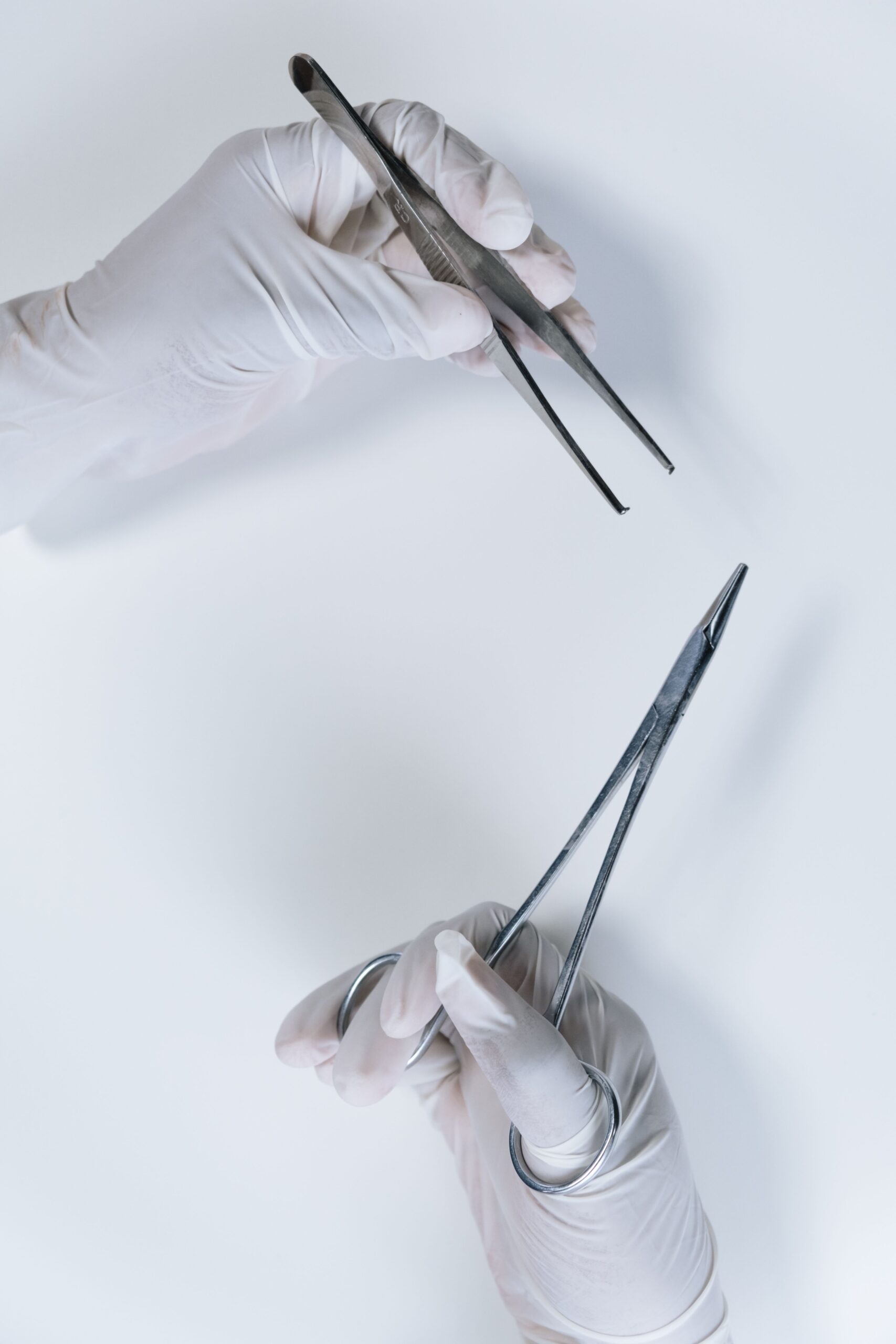
Introduction: Why Surgical Forceps Matter More Than You Think
Every successful surgical procedure depends on one thing above all else: the right instrument in the surgeon’s hand at the right moment. Among all surgical tools, surgical forceps are perhaps the most versatile, most frequently used, and most critically important instruments in any operating room worldwide.
Whether you are a hospital procurement manager sourcing instruments in bulk, an OR nurse setting up a sterile tray, or a surgical resident learning the craft — understanding surgical forceps deeply will directly impact patient outcomes and procedural efficiency.
In this comprehensive guide, we cover everything you need to know about surgical forceps: their types, clinical uses, material grades, sterilization requirements, and how to choose the right pair for every procedure. This guide is brought to you by Hasni Surgical — a leading manufacturer of premium surgical, dental, orthopedic, and veterinary instruments based in Sialkot, Pakistan.
Browse our complete range of instruments at our online shop, or contact us for wholesale pricing and OEM enquiries.
What Are Surgical Forceps? Definition & Basic Anatomy
Surgical forceps are hinged or spring-tension instruments used by surgeons and OR teams to grasp, hold, move, compress, or manipulate tissues, vessels, needles, dressings, and other surgical materials. They are among the oldest medical instruments known — versions have been used since ancient Egypt and Greece.
Modern surgical forceps consist of three main components:
- Shanks (Arms): The long body of the instrument that the surgeon grips
- Pivot/Hinge: Either a box lock (for locking forceps) or a spring mechanism (for thumb forceps)
- Tips/Jaws: The working end — serrated, smooth, toothed, or specialized depending on the type
The design of the tips determines what the forceps are used for — and choosing the wrong type can cause unnecessary tissue trauma, bleeding, or instrument failure during a critical moment.
Main Types of Surgical Forceps — A Complete Classification
1. Hemostatic Forceps (Artery Forceps)
Hemostatic forceps — also called artery forceps or clamps — are the most commonly used forceps in general surgery. Their primary job is to clamp blood vessels and control hemorrhage during and after tissue dissection. They feature a ratchet locking mechanism so they can be applied and left in place without the surgeon holding them continuously.
The most important subtypes include:
- Kelly Forceps: Medium-sized, half-serrated jaws, ideal for clamping larger vessels
- Mosquito Forceps (Halsted): Smaller, fully serrated, used in delicate procedures and pediatric surgery
- Kocher Forceps: Heavy, with teeth at the tip — used for grasping tough tissue but NOT for vessels
- Rochester-Pean Forceps: Large and heavy, for clamping major vessels and pedicles
- Crile Forceps: Fully transverse serrations, excellent for general hemostasis
All hemostatic forceps from Hasni Surgical are manufactured from premium German-grade stainless steel (Grade 410/420) and undergo rigorous quality testing before export. View our full range in our instrument catalogue.
2. Tissue Forceps (Thumb Forceps / Dissecting Forceps)

Tissue forceps (also called dissecting forceps or thumb forceps) are spring-tension instruments with no locking mechanism. The surgeon must maintain constant pressure to keep them closed. They come in two fundamental tip designs:
- Toothed Forceps (Rat-tooth / Adson): Have 1×2 or 2×3 interlocking teeth — used for grasping tough fibrous tissue, fascia, and skin edges. Provide excellent grip but cause more tissue trauma.
- Non-toothed (Plain/Smooth) Forceps: Used for delicate tissue handling — bowel, vessels, nerve repair, and suturing. Less traumatic but weaker grip.
The most commonly ordered tissue forceps worldwide include:
- Adson Tissue Forceps — fine tips, used in plastic surgery and wound closure
- DeBakey Forceps — non-traumatic, essential in cardiovascular and vascular surgery
- Russian Forceps — broad cup-shaped tips, ideal for bowel and uterine tissue
- Bonney Tissue Forceps — heavy-duty, for gynaecological surgery
- Gerald Forceps — bayonet-shaped for cardiovascular microsurgery
3. Sponge Holding Forceps (Ring Forceps)
Also known as ovum forceps or ring forceps, these have large ring-shaped jaws designed to hold sponges, gauze swabs, and surgical drapes. They are also used for applying antiseptic solution, holding drapes in position, packing cavities with gauze, and removing foreign bodies.
4. Needle Holders (Needle Forceps)
While technically classified separately, needle holders function as forceps and are used to grip and drive suture needles through tissue. Premium needle holders feature hardened carbide jaw inserts for extended lifespan. Key types include Mayo-Hegar, Mathieu, Crile-Wood, and Webster needle holders.
For a deeper dive into precision cutting and suturing instruments, read our detailed guide: Titanium Surgical Scissors: Complete Guide to Precision, Types and Uses.
5. Specialized Forceps by Surgical Specialty

Different surgical specialties require highly specialized forceps designs:
- Dental Forceps: Upper and lower molar, premolar, and incisor extracting forceps with curved or angled jaws
- Orthopedic Bone Forceps: Lane bone holding forceps, Lowman bone clamps, Verbrugge forceps
- Ophthalmic Forceps: Colibri cornea forceps, McPherson angled forceps, Bishop-Harmon iris forceps
- Gynecological Forceps: Allis, Babcock, and Teale volsellum forceps
- Laparoscopic Forceps: Grasping and dissecting forceps for minimally invasive surgery
- Veterinary Forceps: Heavy-duty designs for large-animal procedures
Hasni Surgical manufactures and exports all of the above specialty forceps. Our complete plastic surgery instruments guide covers many specialized grasping tools used in reconstructive and aesthetic procedures.
Materials Used in Surgical Forceps Manufacturing

The material of a surgical forceps directly determines its strength, corrosion resistance, sterilization compatibility, lifespan, and patient safety. The surgical instruments industry uses the following primary materials:
Stainless Steel (Most Common)
The gold standard for most surgical forceps. The most widely used grades are:
- Grade 410 Stainless Steel: Martensitic steel with excellent hardness — used for instrument jaws and tips that require strength
- Grade 420 Stainless Steel: Higher carbon content, used for cutting edges and box-lock components
- Grade 316L Stainless Steel: Austenitic, highest corrosion resistance — used in implant-grade instruments and humid environments
According to ISO 7153-1, stainless steel used in surgical instruments must meet specific composition and hardness standards to ensure patient safety and instrument longevity.
Titanium Surgical Forceps
As shown in the image at the top of this guide, titanium forceps offer exceptional advantages — and Hasni Surgical is a leading manufacturer of titanium surgical instruments from Sialkot, Pakistan. Titanium forceps provide:
- 60% lighter than stainless steel — reduces OR team fatigue in long procedures
- Non-magnetic — essential in MRI suites and neurosurgical settings
- Superior biocompatibility and corrosion resistance
- Distinctive anodized colours (blue, gold, black) for easy instrument identification in the OR
- Higher cost but significantly longer service life
Tungsten Carbide Inserts
Premium needle holders and tissue forceps often feature tungsten carbide jaw inserts (identifiable by the gold handle rings). These inserts provide up to 5× longer grip life than plain stainless steel, especially important for high-volume surgical facilities.
How to Choose the Right Surgical Forceps
Choosing the correct surgical forceps requires evaluating multiple factors simultaneously. Here is a practical decision framework used by procurement specialists and OR managers worldwide:
Step 1 — Define the Clinical Task
Ask: What will these forceps do? Clamp a vessel? Grasp tissue? Hold a needle? Pass a drain? Each function demands a different design. Our team at Hasni Surgical can help you select the right forceps for your specific surgical specialty.
Step 2 — Consider Tissue Type and Fragility
- Delicate tissue (bowel, nerve, cornea) → non-toothed, non-traumatic tips (DeBakey, McPherson)
- Dense fibrous tissue (fascia, tendon, skin) → toothed or serrated tips (Adson, Kocher)
- Vascular tissue → atraumatic vascular clamps (DeBakey, Satinsky)
Step 3 — Choose the Right Size and Length
- Superficial wounds → short forceps (12–14 cm)
- Abdominal/thoracic surgery → medium (16–20 cm)
- Deep cavity surgery → long (22–30 cm)
- Laparoscopic procedures → 30–45 cm with 5 mm shaft diameter
Step 4 — Locking vs Non-Locking
Locking (ratchet) forceps are used when the instrument needs to stay in place without continuous grip — ideal for hemostasis, draping, and clamping. Non-locking thumb forceps provide tactile feedback and controlled pressure — better for tissue handling and suturing assistance.
Step 5 — Material Grade for Your Environment
For MRI suites and neuro-OR settings, always specify titanium or MRI-compatible instruments. For standard OR use, Grade 410/420 stainless steel provides the best balance of cost and performance. The World Health Organization’s surgical safety guidelines recommend all surgical instruments be traceable to their manufacturer.
Surgical Forceps Sterilization & Care: Best Practices
Improper sterilization is one of the leading causes of premature instrument failure and hospital-acquired infections. Follow these evidence-based best practices:
Pre-Sterilization Cleaning
- Open all ratchet locks before cleaning to allow cleaning solution to reach all surfaces
- Use an ultrasonic cleaner with enzymatic detergent for 10–15 minutes
- Rinse with sterile or deionized water (tap water leaves mineral deposits)
- Inspect jaws and tips under magnification for debris and damage
Sterilization Methods Compatible with Surgical Forceps
- Steam Autoclave (134°C / 3 minutes or 121°C / 15 minutes): Best method for stainless steel forceps
- Ethylene Oxide (EtO): For heat-sensitive components or complex laparoscopic forceps
- Hydrogen Peroxide Plasma (STERRAD): For titanium and MRI-compatible instruments
- Glutaraldehyde (cold sterilization): Only as a last resort — can cause corrosion if rinsing is incomplete
According to CDC Guidelines for Disinfection and Sterilization, all critical surgical instruments must be sterilized before each use.
Post-Sterilization Storage
- Store forceps in dry, sealed peel packs or rigid containers
- Avoid storing forceps loose in metal trays — tip damage occurs
- Check package integrity before opening in the OR
- Rotate stock using FIFO (First In, First Out) principle
For complex spinal and orthopedic procedures requiring advanced instrument management, see our guide on professional spine stabilization tools.
Quality Standards for Surgical Forceps: What to Look For
Not all surgical forceps are created equal. When procuring instruments — whether for a hospital, surgical center, or distribution business — verify the following:
- ISO 9001:2015 Certification: Quality management system of the manufacturer
- ISO 13485 Certification: Specifically for medical device manufacturing
- CE Marking: Required for sale in European Union markets
- FDA Registration: Required for sale in the United States market
- Box Lock Tightness: No wobble, smooth action throughout full range of motion
- Ratchet Engagement: Clicks firmly, does not self-release under load
- Tip Alignment: Both tips should meet precisely with no gap or misalignment
- Surface Finish: Satin matte or mirror polish — no pitting, roughness, or visible welds
The ASTM F899 standard defines exact stainless steel composition requirements for surgical instruments sold internationally. Always ask your supplier for compliance documentation.
Hasni Surgical is a CE-certified, ISO 9001:2015 registered manufacturer. Learn more about us and our manufacturing standards.
Why Sialkot, Pakistan Is the World’s Surgical Instrument Capital
Sialkot has been manufacturing surgical instruments for over 100 years, exporting worldwide worth over $400 million USD annually. Key advantages of sourcing from Sialkot manufacturers like Hasni Surgical:
- Generational expertise — over a century of instrument-making tradition
- Competitive pricing without compromising quality
- Custom OEM manufacturing available (your logo, packaging, specifications)
- Large volume capacity — from sample orders to container loads
- Direct factory pricing — no middlemen
- International certifications (ISO, CE, FDA-ready)
According to a report by the US International Trade Administration, Pakistan’s surgical instrument sector is one of the most competitive globally, with Sialkot at its centre.
Frequently Asked Questions About Surgical Forceps
1. What is the difference between hemostatic forceps and tissue forceps?
Hemostatic forceps (artery forceps) have a ratchet locking mechanism and are used primarily to clamp blood vessels and control bleeding. They can be applied and left in place without being held. Tissue forceps (dissecting/thumb forceps) are spring-tension instruments with no lock — they require constant hand pressure and are used for handling, grasping, and manipulating soft tissue during dissection and suturing.
2. How do I know which size of forceps to order for my surgical set?
Size selection depends on the surgical specialty and depth of the operative field. For superficial procedures, 12–14 cm forceps are appropriate. For general abdominal surgery, 16–20 cm is standard. For thoracic, pelvic, or spinal surgery, 22–26 cm or longer is required. Laparoscopic forceps are typically 30–45 cm. Contact our team for a customized instrument set recommendation.
3. Can surgical forceps be used multiple times, and when should they be replaced?
Yes — most surgical forceps are reusable instruments designed to last thousands of sterilization cycles when properly maintained. Replace forceps when: tips no longer align precisely, the ratchet slips, there is visible pitting or rust, the box lock is loose, or tips show significant wear. Never use a damaged forceps — instrument failure during surgery can cause serious patient harm.
4. What is the best sterilization method for surgical forceps?
Steam autoclave (134°C gravity cycle or 121°C pre-vacuum cycle) is the gold standard for stainless steel and titanium surgical forceps. Always open the ratchet lock before autoclaving to allow steam penetration. For instruments with plastic or silicone components, Ethylene Oxide (EtO) or Hydrogen Peroxide Plasma sterilization is recommended.
5. Does Hasni Surgical offer custom OEM forceps manufacturing?
Yes. Hasni Surgical is a leading OEM manufacturer of surgical forceps in Sialkot, Pakistan. We manufacture custom forceps to your exact specifications — including custom lengths, tip designs, jaw profiles, surface finishes, and custom engraving or packaging. We supply directly to hospitals, surgical distributors, and medical device brands worldwide. Contact us or visit our online shop for more details.
6. What is the average price range of surgical forceps for bulk/wholesale orders?
Pricing depends on material grade, size, and finish. Standard stainless steel (Grade 410/420) forceps typically range from $1–$8 per piece for bulk wholesale orders, while titanium forceps range from $15–$40 per piece due to material cost. Hasni Surgical offers tiered pricing based on order volume — contact our team for a custom quote based on your specific specifications and quantity.
7. What is the minimum order quantity (MOQ) for surgical forceps from Hasni Surgical?
Our standard MOQ for surgical forceps starts as low as 50–100 pieces per design for sample or trial orders, with no upper limit for container-load bulk orders. We also accommodate mixed-SKU orders for distributors who need smaller quantities across multiple forceps types. Contact us for MOQ details on specific products.
8. Can surgical forceps be customized with a private label or logo?
Yes. Hasni Surgical provides full OEM/private label services, including custom laser engraving of your brand logo, custom packaging design, custom anodized colours (for titanium instruments), and personalized documentation such as CE/ISO certificates under your brand name. Visit our online shop or contact us to discuss your private label requirements.
9. What is the difference between curved and straight surgical forceps?
Straight forceps are used for surface-level or easily accessible tissue and vessels, offering direct control and visibility. Curved forceps are designed to reach around structures or into deeper cavities, commonly used in abdominal, thoracic, and vascular procedures where a straight approach would obstruct the surgeon’s view or access.
10. How long does international shipping take for surgical forceps orders from Pakistan?
Standard air freight shipping from Sialkot, Pakistan typically takes 5–10 business days to reach the USA, UK, UAE, Canada, and most European destinations, depending on customs clearance. For larger bulk/container orders, sea freight takes 25–40 days but offers significantly lower shipping costs per unit. Hasni Surgical handles all export documentation for smooth customs clearance — contact us for a shipping estimate to your country.
Conclusion: The Right Forceps, Every Time
Surgical forceps are far more than simple gripping tools — they are precision instruments that directly affect surgical outcomes, patient safety, and OR efficiency. From the hemostatic Kelly forceps controlling intraoperative bleeding to the delicate titanium DeBakey forceps in cardiovascular reconstruction, every design serves a specific clinical purpose.
When you purchase surgical forceps, you are investing in the reliability of every procedure they will be part of. That means material quality, manufacturing precision, and supplier traceability are non-negotiable.
Hasni Surgical has been supplying premium, ISO-certified surgical instruments from Sialkot, Pakistan to hospitals, surgical centers, and distributors worldwide. Whether you need a single set for a specialty procedure or a bulk order for a hospital system, we have the capacity, certifications, and expertise to deliver.
📩 Ready to order or get a custom quote? Contact us today or browse our full catalogue at our shop. Learn more about Hasni Surgical and our commitment to quality. Our team responds within 24 hours.
