
Best Compact Orange Fiber Optic Otoscope Set for Medical Diagnostics
August 3, 2026 2026-08-03 9:41Best Compact Orange Fiber Optic Otoscope Set for Medical Diagnostics
 hasni
hasni 
Best Compact Orange Fiber Optic Otoscope Set for Medical Diagnostics
Compact Orange Fiber Optic Otoscope Set for Medical Diagnostics
For clinicians who want their diagnostic kit to be both functional and easy to spot in a busy exam room, the Compact Orange Fiber Optic Otoscope Set is an excellent choice. It combines the same precision optics used in professional ENT examinations with a bright, high-visibility orange finish that makes the instrument easy to locate in a drawer, tray, or medical bag. If you’re new to this instrument category, our complete guide to otoscopes covers the full range of types and buying considerations in more depth, and our broader ENT instruments buyer’s guide places the otoscope in context alongside other ear, nose, and throat tools.
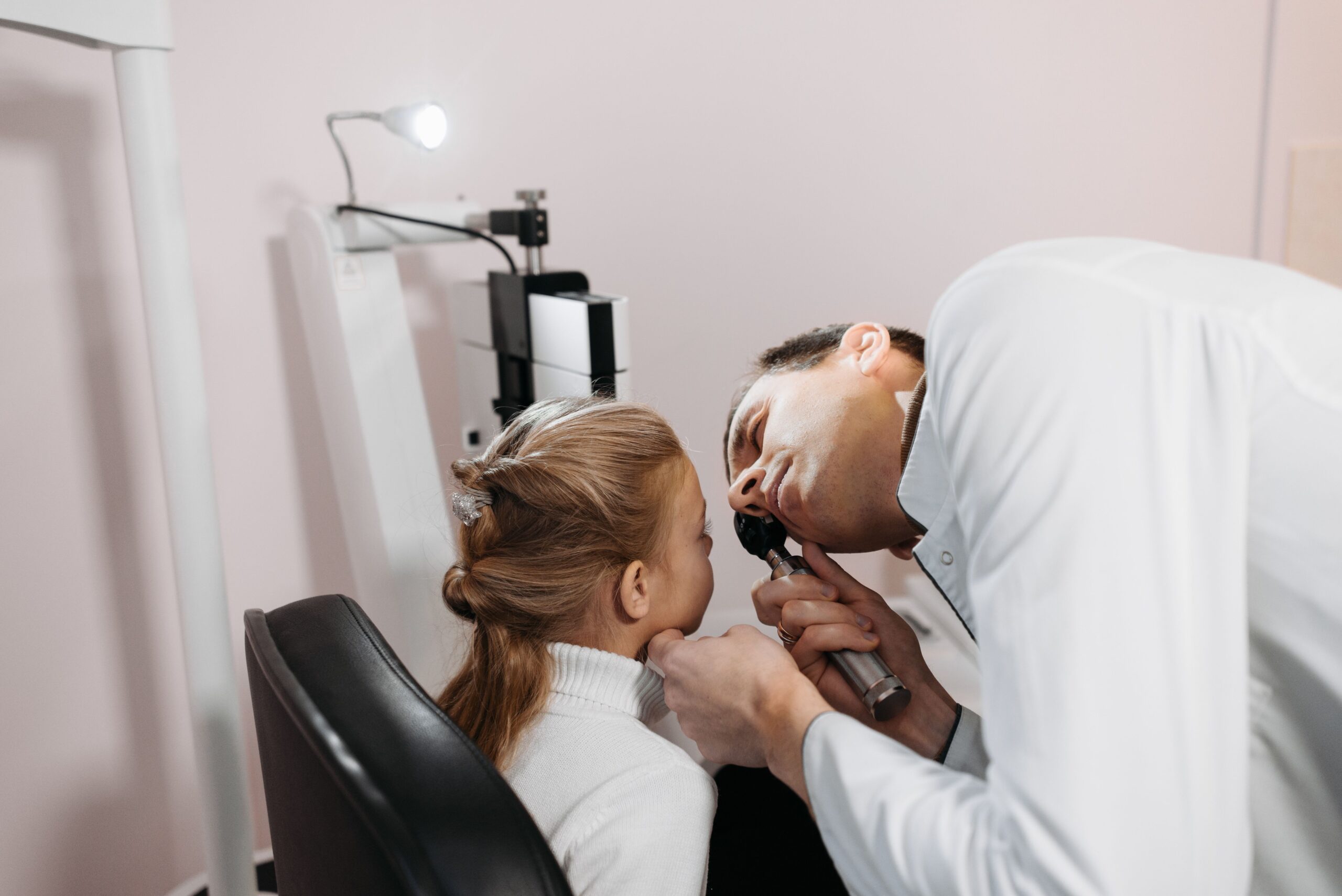
A Brief History of the Otoscope
The otoscope has been a core diagnostic instrument in medicine for well over a century, evolving from simple funnel-and-mirror designs used by early ENT physicians into today’s fiber optic and digital video instruments. Early otoscopes relied on external light sources such as candles or head mirrors reflecting ambient light into the ear canal — a method that produced inconsistent illumination and made subtle findings easy to miss. The introduction of an internal bulb, and later fiber optic light channels, transformed the otoscope into a self-contained, portable diagnostic tool that any clinician could carry and use reliably in any lighting environment.
What Makes It a Fiber Optic Otoscope?
Unlike basic bulb-in-head designs, a fiber optic otoscope channels light through a bundle of glass or plastic fibers from the handle to the speculum tip. This produces shadow-free, evenly distributed illumination across the ear canal, which is why fiber optic designs are preferred over conventional otoscopes for detailed examinations of the tympanic membrane. According to the overview of otoscopes on Wikipedia, this type of instrument is central to diagnosing conditions such as otitis media, otitis externa, and eardrum perforation during routine and specialist ear exams.
In a conventional (non-fiber-optic) otoscope, the bulb sits closer to the viewing end, which can cast uneven shadows across the curved surface of the ear canal and partially obscure the tympanic membrane. Fiber optic designs solve this by physically separating the light source from the viewing path, distributing illumination evenly around the circumference of the speculum tip rather than from a single point.
Types of Otoscopes: How This Set Compares
- Conventional (bulb-in-head) otoscopes: The most basic design, with the light bulb mounted directly behind the viewing lens. Affordable but prone to uneven illumination and shadowing.
- Fiber optic otoscopes (this set): Light is transmitted via fiber bundles to the speculum tip, producing even, shadow-free illumination and a clearer diagnostic view.
- Pneumatic otoscopes: Include an attachment that allows a small puff of air to be introduced into the ear canal to test tympanic membrane mobility, useful for diagnosing middle ear effusion.
- Digital/video otoscopes: Capture a live image or video on a screen, useful for patient education, documentation, and telemedicine consultations, though typically bulkier and more expensive than pen-style fiber optic sets.
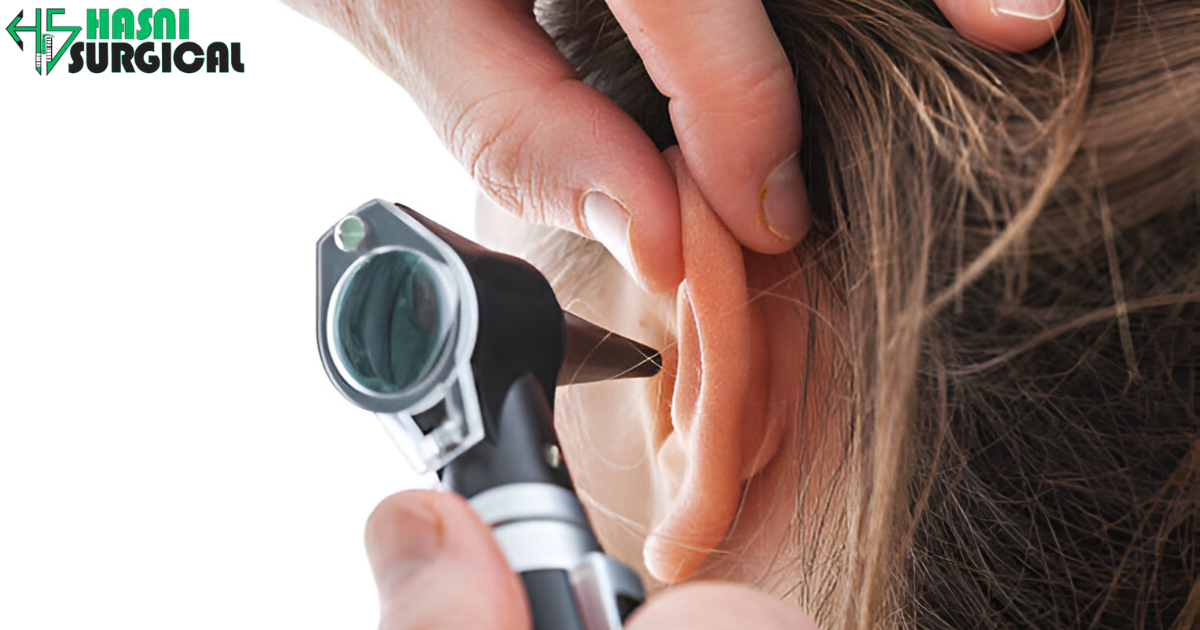
Fiber optic pen-style otoscopes remain the most practical daily-carry option compared to bulkier video otoscope systems.
Set Includes:
- 1 Compact Orange Fiber Optic Otoscope Handle: Lightweight, pen-style body with a secure grip and pocket clip.
- 5 Adult Specula: Sized for comfortable adult ear canal examinations.
- 5 Pediatric Specula: Smaller diameter tips designed for infants and children.
- 1 Spare LED Bulb: A backup light source so the set stays exam-ready at all times.
- 1 Protective Carry Pouch: Compact storage for clinics, home visits, or student kits.
Key Features:
- Fiber-Optic Light Transmission: Even, shadow-free illumination of the ear canal for a clearer view of the eardrum.
- Bright Cool LED Bulb: Energy-efficient lighting that stays cool for patient comfort during longer exams.
- 3x Magnifying Glass Lens: Crisp, enlarged viewing for spotting wax buildup, inflammation, or foreign bodies.
- High-Visibility Orange Housing: Easy to identify in shared clinical spaces or teaching kits.
- Scratch-Resistant Viewing Window: Keeps the field of view clear even with daily use.
- Compact, Pocket-Friendly Build: Designed to travel comfortably in a coat pocket or bag.
- Battery Powered: Runs on standard AA batteries for reliable use anywhere.
- Reusable Speculum Tips: Autoclavable specula reduce ongoing consumable costs compared to disposable-only systems.
Why It Matters for Diagnostic Accuracy
Good illumination and optics genuinely affect diagnostic confidence. A comparative study on video otoscopy versus tympanometry in children found that clear otoscopic visualization achieved a strong positive predictive value for detecting middle ear effusion, reinforcing why sharp, shadow-free illumination in the exam room makes a real difference to patient outcomes. Missed or delayed diagnosis of common ear conditions such as otitis media can lead to unnecessary follow-up visits, prolonged discomfort for pediatric patients, and in some cases delayed treatment of complications.

How to Properly Use a Fiber Optic Otoscope
Correct technique matters as much as instrument quality for an accurate exam. General steps include:
- Select an appropriately sized speculum for the patient — pediatric tips for children, adult tips for older patients — to avoid discomfort or incomplete canal visualization.
- Gently straighten the ear canal by pulling the pinna up and back in adults, or down and back in young children, since the canal shape differs by age.
- Insert the speculum slowly while observing through the lens, watching for cerumen (wax), foreign bodies, or inflammation along the canal walls.
- Advance until the tympanic membrane is visible, checking for color, translucency, position, and any perforation or fluid level.
- Use a pneumatic bulb attachment, if available, to test membrane mobility when middle ear effusion is suspected.
Cleaning and Care
- Reusable metal or polycarbonate specula should be cleaned and autoclaved between patients according to your facility’s infection control protocol.
- Wipe the otoscope handle and lens with a manufacturer-approved disinfectant wipe; avoid submerging the handle itself in liquid, since it houses the battery compartment and electronics.
- Replace the LED bulb promptly if illumination dims or flickers, using the spare bulb included in the set.
- Store the otoscope in its carry pouch when not in use to protect the lens from scratches and dust.
Regulatory Considerations
Diagnostic instruments intended for clinical use are generally expected to meet recognized quality and safety frameworks, such as ISO 13485 for medical device manufacturing and CE marking for sale in the European market, in addition to any applicable national medical device regulations. When purchasing in bulk for a clinic or hospital, it’s worth confirming the manufacturer can provide documentation of these certifications along with material safety data for the specula and housing. Our overview of surgical and diagnostic instrument manufacturing in Sialkot, Pakistan covers how reputable manufacturers approach these quality standards.
Who Should Use This Set?
The Compact Orange Fiber Optic Otoscope Set suits general practitioners, ENT specialists, pediatricians, nursing staff, and medical students who need a dependable, easy-to-spot diagnostic tool for daily ear examinations. It pairs well with our Compact Black Fiber Optic Otoscope Set for clinics that like to color-code instruments by department or provider, and complements a full ENT diagnostic tray alongside our LED ENT Ophthalmoscope & Otoscope Diagnostic Set and our LED Otoscope diagnostic tool.
Frequently Asked Questions
Q1: What is the main advantage of a fiber optic otoscope over a conventional one?
Fiber optic otoscopes transmit light through fiber bundles directly to the speculum tip, producing even, shadow-free illumination of the ear canal, compared to conventional bulb-in-head designs that can cast uneven shadows.
Q2: Can this set be used on both adults and children?
Yes. The set includes both adult and pediatric specula, so the same handle can be used across patients of different ages by simply switching the speculum tip.
Q3: How long does the LED bulb typically last?
LED bulbs are energy-efficient and generally long-lasting under normal clinical use, but the set includes a spare bulb so the instrument stays exam-ready even if the primary bulb needs replacing.
Q4: Are the specula reusable or disposable?
The specula included in this set are reusable and can be cleaned and autoclaved between patients according to standard infection control protocols.
Q5: What power source does the otoscope use?
The handle runs on standard AA batteries, making it easy to keep spares on hand and use the instrument anywhere without needing a charging dock.
Q6: Is a pneumatic attachment included with this set?
This particular compact set is a standard diagnostic fiber optic otoscope; pneumatic testing attachments are typically a separate accessory for facilities that specifically need tympanic membrane mobility testing.
Q7: How does 3x magnification help during an exam?
The magnifying lens enlarges the view of the ear canal and tympanic membrane, making it easier to spot subtle findings such as early inflammation, small foreign bodies, or wax buildup that might otherwise be missed.
Q8: Why is the housing bright orange instead of a standard clinical color?
The high-visibility orange finish is designed to make the instrument easy to spot in a busy exam room, shared instrument tray, or bag, reducing time spent searching for it between patients.
Q9: Is this otoscope suitable for medical students and training programs?
Yes, its combination of portability, reusable specula, and reliable fiber optic illumination makes it a practical option for students and trainees learning proper ear examination technique.
Q10: What certifications should I check for before buying otoscopes in bulk for a clinic?
Look for ISO 13485 manufacturing certification and CE marking where applicable, along with documentation of the materials used for the housing and specula.
Conclusion
Manufactured by Hasni Surgical to strict quality standards, this compact orange fiber optic otoscope set is built for clinics, hospitals, and mobile healthcare providers who need reliable diagnostics without compromising on portability. Its combination of shadow-free fiber optic illumination, reusable specula for both adults and children, and a durable, easy-to-spot housing makes it a practical addition to any general practice, pediatric, or ENT diagnostic kit.
