
Professional Spine Stabilization Tools: Advanced Instruments for Safe Spinal Surgery
June 23, 2026 2026-06-23 6:11Professional Spine Stabilization Tools: Advanced Instruments for Safe Spinal Surgery
 hasni
hasni 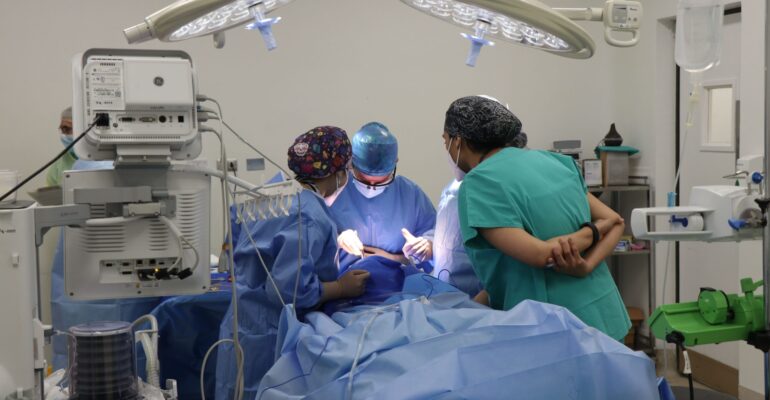
Professional Spine Stabilization Tools: Advanced Instruments for Safe Spinal Surgery
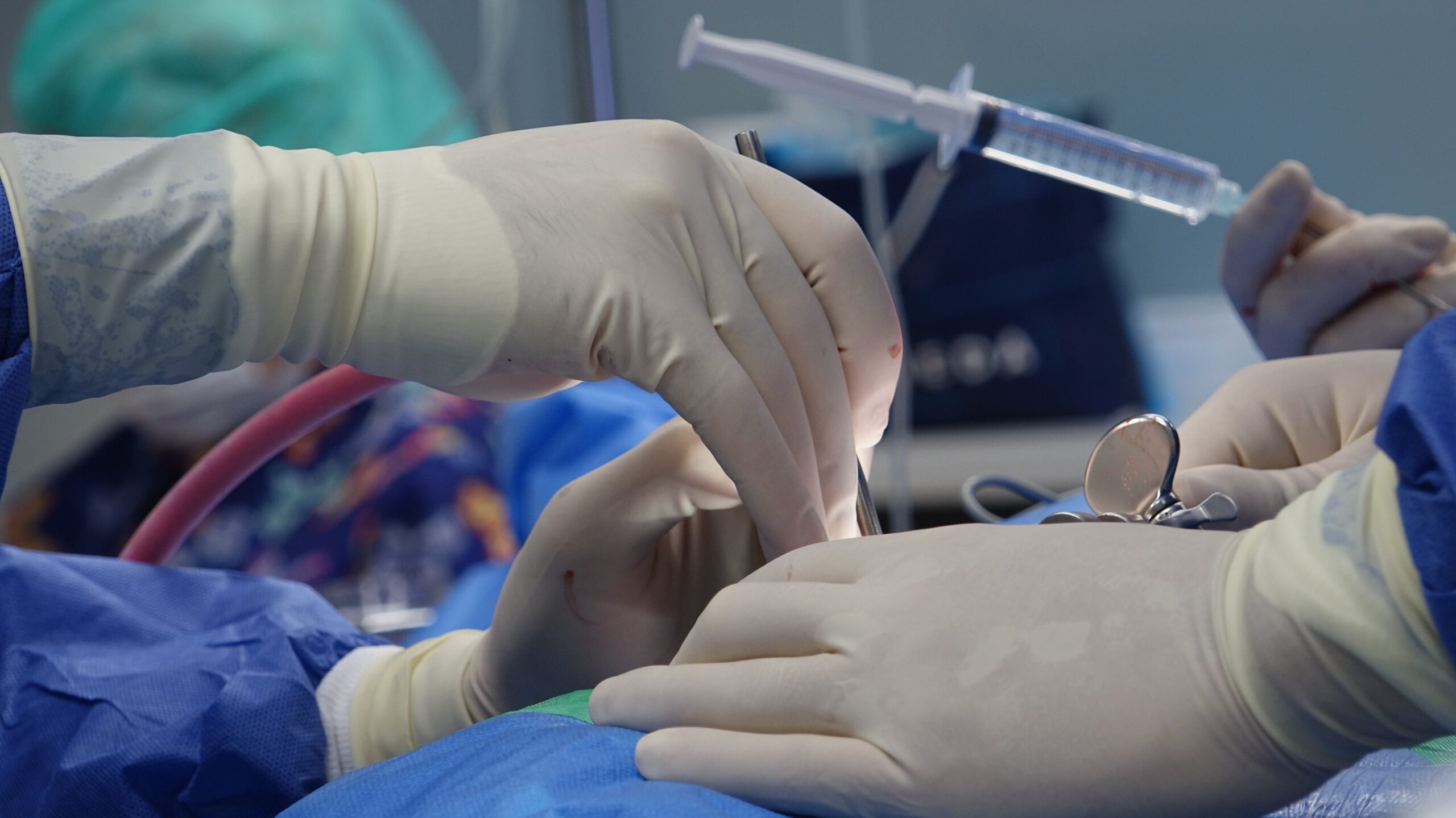
The human spine is the architectural backbone of the body — carrying the weight of the torso, protecting the spinal cord, and enabling the full range of human movement. When spinal instability strikes — through degenerative disease, traumatic injury, deformity, or tumor — its consequences are devastating: chronic pain, neurological deficits, progressive disability, and dramatically reduced quality of life.
Modern spine surgery has the tools and techniques to reverse these consequences — but only when the surgical team has access to professional spine stabilization tools of the highest quality. Every instrument placed near the spinal cord must perform flawlessly. There is no margin for compromise in spinal surgery.
This advanced professional guide covers the full spectrum of spine stabilization instruments — from foundational pedicle access tools to the latest minimally invasive stabilization systems — along with clinical insights, safety principles, quality standards, and procurement guidance for spine surgery programs worldwide.
“Professional spine stabilization is where surgical precision meets engineering excellence. The finest surgical technique in the world cannot overcome the failure of a substandard instrument in the spinal canal.”
Why Advanced Spine Stabilization Tools Are Non-Negotiable
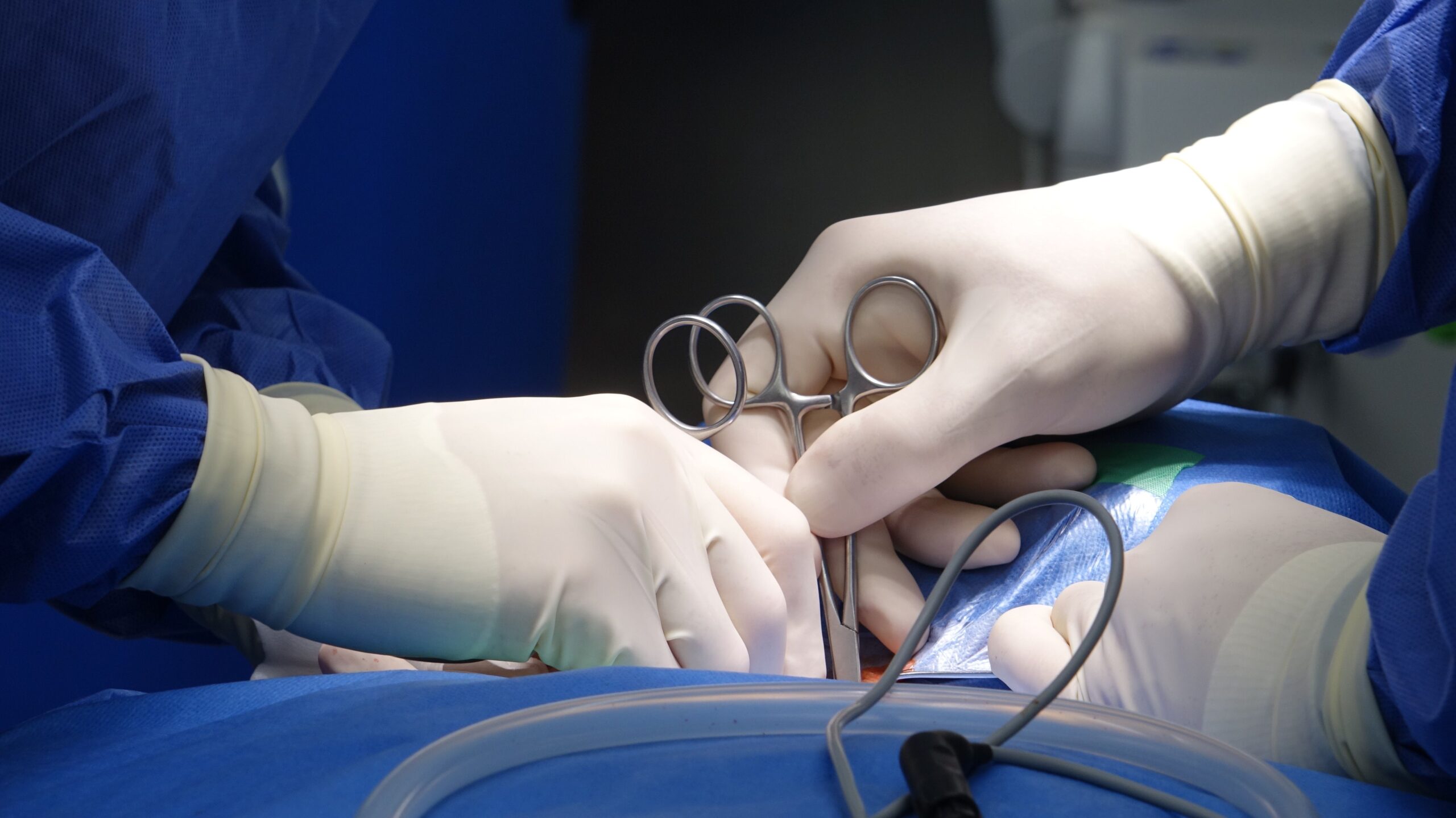
Spine surgery operates under constraints unlike any other surgical specialty. The spinal canal — through which the spinal cord and nerve roots pass — measures just a few millimetres in diameter at its narrowest. The pedicle of a lumbar vertebra is often less than 7 mm wide. Instruments must work with absolute precision in a deep, narrow surgical field under significant mechanical load, with consequences of error that are immediate and potentially permanent.
Advanced spine stabilization tools are engineered specifically for these demands:
- Precise dimensional control: Critical measurement instruments must be manufactured to ±0.05 mm tolerances — a millimetre error in depth measurement can mean the difference between a correctly placed screw and a neurological complication
- Superior tactile feedback: Pedicle probes must transmit the subtle resistance of cancellous bone versus cortical wall to the surgeon’s fingertips — depending entirely on the stiffness, weight, and tip geometry of the instrument
- Mechanical strength under load: Rod reduction instruments and bone cutters must withstand peak forces of hundreds of newtons during deformity correction without deformation or fracture
- Guaranteed sterilization integrity: All surfaces must be accessible to steam sterilization — no hidden cavities that could harbour residual contamination after cleaning
- System compatibility: Every instrument must be exactly matched to the implant system it serves — driver to screw drive, cage inserter to cage lock, trial to definitive implant
Category 1: Advanced Pedicle Access and Safety Tools
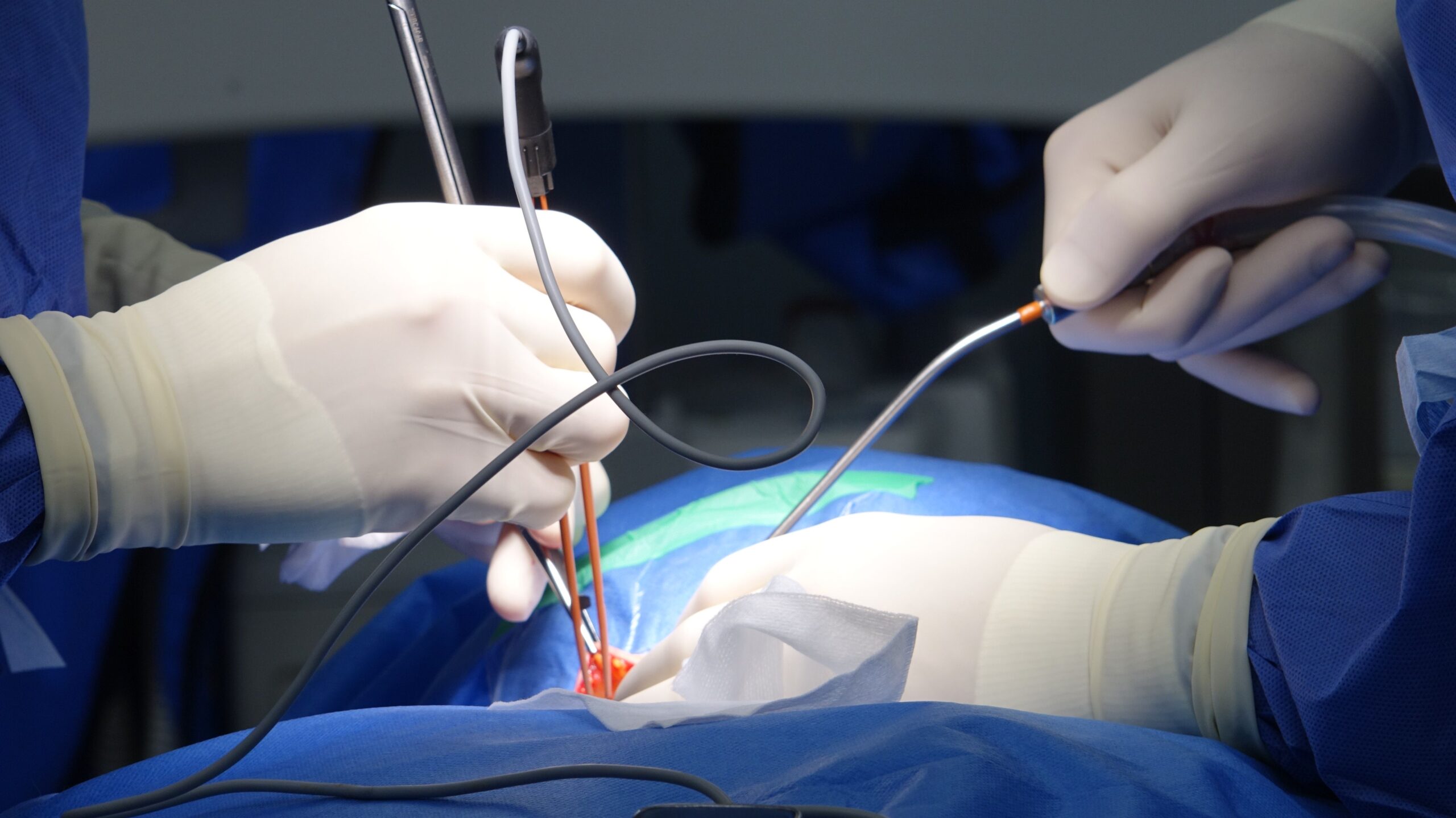
The pedicle screw is the cornerstone of modern posterior spinal stabilization — anchoring the fixation construct to the strongest bone of the vertebra. Placing a pedicle screw safely requires a precise sequence of instruments that create and verify the pedicle pathway before any screw is inserted.
T-Handle Pedicle Awl
The T-handle awl creates the initial cortical entry point into the pedicle. A sharp, precisely tapered tip breaks through the cortical cap cleanly without lateral slipping that causes off-axis entry. Professional awls have calibrated depth markings and a T-handle that provides excellent rotational control during the entry motion.
Curved Gear-Shift Pedicle Finder
The gear-shift probe advances through the cancellous bone of the pedicle into the vertebral body. Its curved tip naturally follows the trajectory of the pedicle, reducing medial wall deviation risk. The professional finder has a thin, flexible shaft with carefully calibrated stiffness — stiff enough to advance without buckling, yet flexible enough to transmit tactile feedback about wall resistance directly to the surgeon’s hand.
Four-Wall Ball-Tip Probe
After pedicle preparation, the ball-tip probe verifies the integrity of all four cortical walls and the anterior floor. A smooth, uninterrupted feel in all directions confirms an intact pedicle. Any roughness or sudden depth change indicates a cortical breach requiring attention before screw insertion. This safety check must never be omitted regardless of time pressure.
Calibrated Depth Gauge
Accurate depth measurement determines screw length selection. The professional depth gauge has 1 mm interval markings, a smooth sliding mechanism, and a tip that seats cleanly at the floor of the pedicle tract without false readings from sticky or worn mechanisms.
Pedicle Tap with Depth Markings
Thread cutting in cortical bone before screw insertion improves torque distribution and reduces screw head stripping risk. Professional pedicle taps have sharply cut thread profiles, graduated depth markings, and handle design that provides excellent torque control. Dull taps require excessive insertion force and produce poor thread quality — replace worn taps promptly.
Category 2: Rod System and Deformity Reduction Instruments
After pedicle screws are placed, the connecting rod must be contoured, delivered, and reduced into the screw tulips — often against significant spinal stiffness in deformity and fracture cases. This is the most mechanically demanding phase of posterior spinal stabilization surgery.
French Rod Bender (In-Situ)
The French bender applies controlled force to contour the rod at a precise point, creating smooth gradual curves without kinking. Professional French benders generate sufficient force for cobalt-chrome rods without instrument deformation or hand fatigue. The bender must never create sharp angles — these become fatigue failure sites in the rod during long-term implantation.
High-Force Reduction Instruments
In scoliosis correction, kyphosis reduction, and spondylolisthesis reduction, reduction instruments provide the mechanical advantage needed to draw screw heads up to the rod level. Professional reduction instruments use ratchet mechanisms or threaded rod advancement to provide controlled, stepwise reduction. They must be implant-system compatible and capable of the forces required for severe deformity correction without failure.
Dual-Arm Rod Holder and Set Screw Drivers
The dual-arm rod holder prevents both translation and rotation during the reduction maneuver — critical for maintaining rod contour during deformity correction forces. Set screw drivers with torque-limiting handles prevent overtightening, which can crack the set screw or damage the screw tulip at the specified 8–12 Nm locking torque.
Category 3: Advanced Neural Decompression Tools
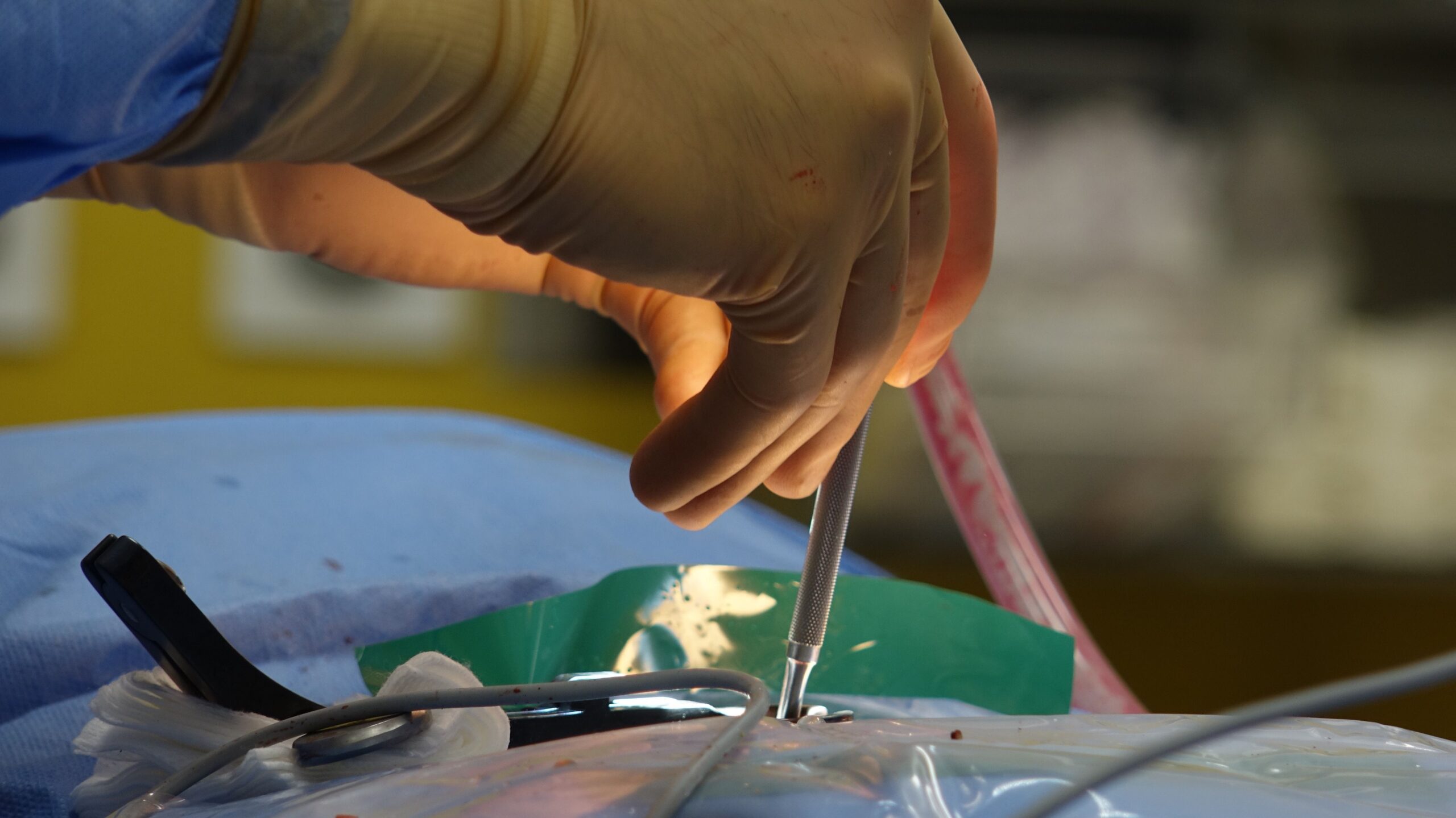
Spinal stabilization almost always includes neural decompression — removing bone, disc, and ligament that compress the spinal cord or nerve roots. Decompression instruments must safely remove tissue in intimate proximity to the dura and neural elements.
Professional Kerrison Rongeur Set
A complete professional set requires bite sizes of 1–5 mm in both 40° and 90° configurations, with tungsten carbide jaw inserts that maintain cutting edges 3–5× longer than standard steel. Ultra-thin foot plates (0.6 mm) for tight lateral recesses; consistent spring tension that reliably opens the jaw after every bite; and precise jaw alignment preventing tearing rather than cutting — which dramatically increases dural tear risk.
Penfield Dissector Set (Sizes 1–5)
Each Penfield size serves a specific purpose — from No. 1 for mobilizing epidural adhesions between nerve roots to No. 4 for broad dural retraction during laminectomy. Professional Penfield dissectors have smooth, polished surfaces without rough edges that could damage the dura during retraction, and shaft rigidity that transmits tissue resistance without flexing.
Angled Disc Rongeurs and Spinal Curettes
Complete professional sets include straight, 45° downbiting, 45° upbiting, and 90° disc rongeurs in 2 mm and 3 mm jaw widths, paired with spinal curettes in sizes 0–5 in straight, 45°, and 90° configurations. Cup geometry must be precisely maintained — deformed cups create inconsistent end plate preparation that directly compromises fusion rates.
Category 4: Interbody Fusion Stabilization Instruments

Interbody fusion places a structural cage between vertebral bodies to provide anterior column support — essential for durable spinal stabilization. The instruments for interbody procedures must prepare the disc space precisely and deliver the cage to exactly the right position.
Sequential Disc Space Distraction System
Progressive paddle distractors restore disc height by gently spreading end plates apart. Professional sets include sizes matching the full cage height range, with smooth paddle surfaces that minimise end plate damage during distraction — and graduated markings that show the achieved distraction height at each step.
End Plate Preparation and Trial Sizer System
End plate rasps, shavers, and angled curettes prepare the vertebral end plate to bleeding cancellous bone — essential for fusion biology. Trial sizer sets in all available cage dimensions allow the surgeon to identify the optimal cage footprint and height before inserting the definitive implant, avoiding costly implant errors and providing the most accurate end plate coverage assessment.
Cage Inserter with Anti-Rotation Lock and Depth Stop
The cage inserter must lock to the cage anti-rotation to prevent cage turning during impaction — which risks nerve root impingement. A depth stop prevents over-penetration of the cage beyond the target position. Secure engagement during impaction and clean controlled release at the target position are the two non-negotiable performance requirements of a professional cage inserter.
Category 5: Minimally Invasive Spine Stabilization Tools
MIS spine stabilization achieves equivalent fixation through dramatically smaller incisions — with substantially less blood loss, muscle damage, pain, and recovery time than open surgery. It demands a fundamentally different instrument philosophy and a higher level of technical mastery from the surgical team.
Percutaneous Guide Wire System and Sequential Dilators
Fluoroscopy-guided K-wires establish pedicle trajectory through small skin incisions, followed by sequential dilating cannulas that expand the soft tissue corridor with minimal muscle denervation. The cannulas advance over the guide wire — each progressively larger diameter pushing the muscle fibres apart rather than cutting them — preserving paraspinal muscle innervation and vascularity that is sacrificed in open approaches.
Extended Tab Percutaneous Screwdrivers
Long, slender screwdrivers extending 7–10 cm above the skin surface transmit torque to the pedicle screw through a percutaneous working channel. They must maintain the same torque transmission accuracy as standard screwdrivers at extended working depth, with the additional challenge of limited tactile feedback through a long, thin shaft. Professional percutaneous drivers have reinforced shafts that resist flex under insertion torque and handle designs that give the surgeon full control of insertion torque at extended working distance.
Tubular Working Channel Retractor Systems
The tubular retractor — typically 18–26 mm diameter — provides the fixed working channel through which all MIS instruments, decompression tools, and interbody fusion instruments are passed. Table-mounted rigid arms hold the tube in fixed position, freeing the assistant for other tasks and providing a stable platform for the entire procedure. All MIS instruments are extended-length, narrow-profile versions specifically designed for use through the limited diameter of the working channel.
MIS Rod Delivery Instruments
Passing the connecting rod through subcutaneous tissue between percutaneous screw tulips without an open wound is one of the most technically demanding steps in MIS fixation. Professional MIS rod delivery systems use cannulated rod persuaders and specialized rod reducers designed to capture the rod in each tulip sequentially through small additional stab incisions — requiring system-specific instruments that are not interchangeable between implant manufacturers.
Category 6: Advanced Cervical Spine Stabilization Tools
The cervical spine presents unique stabilization challenges — a confined surgical corridor with immediate proximity to the carotid and vertebral arteries, esophagus, trachea, and the most vulnerable segment of the spinal cord. Professional cervical stabilization tools must provide excellent exposure control, precise decompression, and reliable implant placement in this demanding environment.
- Caspar distraction pin system: The global standard for anterior cervical disc space distraction — parallel pins inserted at calibrated angles into adjacent vertebral bodies, used with a dedicated distractor to open the disc space under controlled, measurable, symmetrical force without damaging the end plates
- Self-retaining anterior cervical retractor systems: Handheld and table-mounted retractors maintaining stable retraction of the carotid sheath, esophagus, and trachea throughout the entire procedure — allowing both surgeon hands to be used for instrument manipulation
- Micro Kerrison rongeurs (1–3 mm upbiting): Small-bite rongeurs for cervical disc fragment removal and foraminal decompression — the narrow cervical canal demands instruments with minimal footprint and exceptional cutting precision
- Cervical high-speed micro-drill: Fine-tipped burrs for osteophyte and uncovertebral spur removal without the dural risk of rongeur use in the already narrow cervical canal
- Anterior cervical plate positioning systems: Instruments that hold the plate in perfect alignment during screw insertion — with one hand maintaining plate position, the other free to drill, measure, and drive each screw in sequence
Open vs. Minimally Invasive Spine Stabilization: Instrument Comparison
| Instrument Function | Open Surgery Tool | MIS Surgery Tool |
|---|---|---|
| Muscle retraction | Taylor / Gelpi retractors — static blades | Sequential dilating tubular retractor system |
| Pedicle screw insertion | Standard screwdrivers under direct vision | Extended-tab percutaneous drivers under fluoroscopy |
| Rod delivery | Direct open placement under vision | Subcutaneous delivery through percutaneous connectors |
| Decompression instruments | Standard-length rongeurs and curettes | Extended-length, narrow-profile instruments through tube |
| Cage insertion | Standard inserters under open vision | MIS-specific inserters through tubular channel |
| Blood loss | Higher — muscle stripping required | Significantly lower — dilating approach only |
| Hospital stay | 3–5 days typical | 1–2 days typical |
| Deformity correction | Excellent — direct manipulation possible | Limited to indirect reduction via rod system |
Patient Safety Engineering in Professional Spine Stabilization Tools
The best professional spine stabilization tools incorporate specific safety engineering features that reduce serious complication risk:
- Depth stops: On pedicle awls, taps, and screwdrivers — preventing instruments from advancing beyond safe working depth into the vertebral body and risking great vessel contact
- Anti-rotation locking: On cage inserters and screw-holding sleeves — preventing implant rotation during impaction that could cause nerve root impingement or dural tear
- Torque limitation: Pre-set torque-limiting handles disengage at maximum safe screw insertion torque — preventing pedicle purchase stripping in osteoporotic bone
- Colour-coded instrument trays: Organised, numbered instrument slots with silhouette marking enabling immediate visual identification of any missing instrument after a case — preventing retained instrument complications near the spinal cord
- Smooth atraumatic surfaces: All instruments that contact dura, nerve roots, or disc tissue must have polished, rounded surfaces without sharp edges that could cause inadvertent dural laceration or nerve injury
Quality Standards for Professional Spine Stabilization Tools
| Quality Criterion | Professional Standard | Consequence of Non-Compliance |
|---|---|---|
| Material grade | 316L surgical stainless steel — certified documentation | Corrosion, ion release, dimensional instability |
| Dimensional tolerance | ±0.05 mm on critical measurement instruments | Wrong screw length, end plate perforation |
| Cutting edge hardness | Carbide inserts for all rongeurs and curettes | Rapid dulling, dural tear risk, inadequate decompression |
| Surface finish | Mirror or satin — zero rough surfaces | Biofilm retention, incomplete sterilization |
| Sterilization cycles | 500+ prevacuum autoclave cycles at 134°C | Instrument failure or contamination during procedure |
| Implant compatibility | Validated match to specific screw/rod/cage system | Cam-out, stripped screws, cage rotation, inadequate fixation |
| Regulatory compliance | ISO 13485 + CE marking + FDA clearance | Legal liability, quality management gaps |
Sterilization Protocol for Spine Stabilization Instruments
Spine surgery has a particularly high risk of deep infection due to implant presence, procedure length, and the catastrophic consequences of spinal infection. Instrument sterilization must be meticulous and fully verified at every step:
- Immediate point-of-use cleaning: Wipe all instruments immediately after use — dried bone fragments in instrument joints are the leading cause of inadequate sterilization in spine surgery
- Enzymatic pre-soak (20 minutes minimum): pH-neutral enzymatic cleaner breaks down protein and bone debris resistant to mechanical cleaning
- Ultrasonic cleaning (mandatory): Complex instrument geometries — lumens, hinged joints, threaded connections, screw holder mechanisms — cannot be fully cleaned by manual methods alone
- Distilled water rinse: Removes enzymatic cleaner residue and mineral deposits that can interfere with sterilization and cause instrument spotting
- Visual inspection under magnification: Check cutting edges, probe tips, screwdriver drive profiles, and instrument dimensional integrity before every sterilization cycle
- Pre-vacuum steam autoclave at 134°C: Gravity displacement steam cannot reliably penetrate instrument lumens — prevacuum (porous load) cycle is mandatory for spinal instruments with internal channels
- Biological indicator verification: Periodic biological indicator testing confirms sterilization efficacy — not just physical process parameters
- Organised cassette tray storage: Individual numbered slots, colour coding, and silhouette marking in autoclavable cassette trays within sterilizing boxes
Why Hasni Surgical for Professional Spine Stabilization Tools?
Hasni Surgical, based in Sialkot, Pakistan — one of the world’s premier surgical instrument manufacturing hubs — produces and supplies professional spine stabilization instruments to hospitals, surgical centers, and spine surgery programs worldwide. Our spine instrument range reflects an uncompromising commitment to precision, material quality, and clinical reliability.
- ✅ 316L surgical stainless steel — certified: Every spine instrument manufactured from documented, certified surgical-grade steel
- ✅ ISO 13485 certified manufacturing: Quality management audited to international medical device standards
- ✅ Complete spine surgery sets: Comprehensive 28–35 piece sets in autoclavable sterilizing boxes — ready for immediate clinical deployment
- ✅ Individual instrument availability: Any instrument available individually for set completion or replacement without purchasing a complete new set
- ✅ Brand new — every instrument: No refurbished or reprocessed instruments supplied
- ✅ Ultrasonic cleaned before packaging: Ready for final sterilization on arrival
- ✅ CE and ISO product certification: Spine instrument sets certified to international standards
- ✅ Worldwide shipping — 2 working day dispatch: Fast delivery to more than 50 countries
- ✅ 25% bulk order discount: For hospitals, surgical centers, and distributors
- ✅ 60-day money-back guarantee: Full refund if not completely satisfied
Frequently Asked Questions (FAQ)
What are the most important spine stabilization tools for a new spinal surgery program?
For a new spine surgery program performing posterior lumbar fusion, the essential spine stabilization tools are: a complete pedicle access set (awl, finder, ball-tip probe, depth gauge, tap), pedicle screwdrivers matched to your screw system, rod benders (French and template), reduction instruments, set screw drivers with torque limiters, a Kerrison rongeur set (1–5 mm, 40° and 90°), Penfield dissectors (sizes 1–5), disc rongeurs (multiple angles), spinal curettes (sizes 0–5), disc space distractors, trial sizer sets, and cage inserters — all stored in labeled autoclavable cassette trays within sterilizing boxes.
Why is the ball-tip probe considered the most critical safety instrument in spine stabilization surgery?
The ball-tip probe verifies pedicle wall integrity after preparation — before any screw is inserted. A pedicle wall breach, particularly medial wall, places the screw pathway into the spinal canal, risking direct neurological injury during screw insertion. The probe detects this breach at a stage when intervention is safe and simple — before the screw is placed. Missing this step by using a substandard probe or omitting the verification represents one of the most preventable causes of neurological injury in spine surgery.
What is the difference between PLIF and TLIF cage inserter instruments?
PLIF (posterior lumbar interbody fusion) inserts two smaller cages bilaterally through a central approach — using straight cage inserters. TLIF (transforaminal lumbar interbody fusion) inserts one larger cage through a unilateral transforaminal approach — requiring an angled cage inserter that allows delivery through the far lateral corner of the disc space. These inserters are NOT interchangeable between approaches — using the wrong inserter risks inadequate cage placement and potential neural injury during insertion.
How often should Kerrison rongeurs be sharpened or replaced?
In high-volume spine programs, standard stainless steel Kerrison rongeurs typically require sharpening every 20–50 uses. Carbide-insert rongeurs extend this interval 3–5× — reducing the sharpening frequency to every 80–200 uses. A dull Kerrison requires more force per bite, produces tearing rather than cutting, and significantly increases dural tear risk. Signs of dulling include the need for repeated biting at the same location, crushing of bone rather than clean excision, and jaw closure that feels sticky or requires excess force.
Can MIS spine instruments be used for open surgery and vice versa?
Generally no — MIS instruments are specifically designed for the constraints of tubular retractor working channels (narrow profile, extended length) and percutaneous delivery (extended-tab screwdrivers, subcutaneous rod delivery instruments). Using standard open instruments through an MIS working channel typically results in inadequate access, poor instrument control, and compromised decompression or fixation quality. The approaches are designed as complete, matched instrument systems.
Does Hasni Surgical offer spine stabilization instruments with worldwide shipping?
Yes. Hasni Surgical offers a comprehensive range of professional spine stabilization instruments — complete spinal surgery sets, cervical surgery kits, microdiscectomy sets, Cobb elevator sets, Kerrison rongeur sets, Caspar retractor systems, and individual instruments for set completion — all with worldwide shipping from Sialkot, Pakistan. Dispatched within 2 working days, with 25% bulk discounts for volume orders and a 60-day money-back guarantee.
Conclusion
Professional spine stabilization tools are the foundation on which every successful spinal surgery is built. From the first pedicle awl entry to the final set screw lock — every instrument in the chain contributes to the safety of the spinal cord, the accuracy of the deformity correction, the stability of the fixation construct, and ultimately, the restoration of the patient’s quality of life.
The unforgiving anatomy of the spine demands instruments that are not merely good — they must be excellent. Dimensional precision, material integrity, safety engineering, system compatibility, and sterilization reliability are not premium add-ons in spine stabilization instruments — they are the minimum acceptable standard for any instrument used near the human spinal cord.
Explore Hasni Surgical’s complete range of professional spine stabilization tools — manufactured to international standards, certified for clinical use, and available with worldwide shipping from Sialkot, Pakistan’s world-class surgical instrument manufacturing hub.
