
Spinal Fixation Instruments: The Complete Guide for Spine Surgeons and OR Teams
June 23, 2026 2026-06-23 5:37Spinal Fixation Instruments: The Complete Guide for Spine Surgeons and OR Teams
 hasni
hasni 
Spinal Fixation Instruments: The Complete Guide for Spine Surgeons and OR Teams
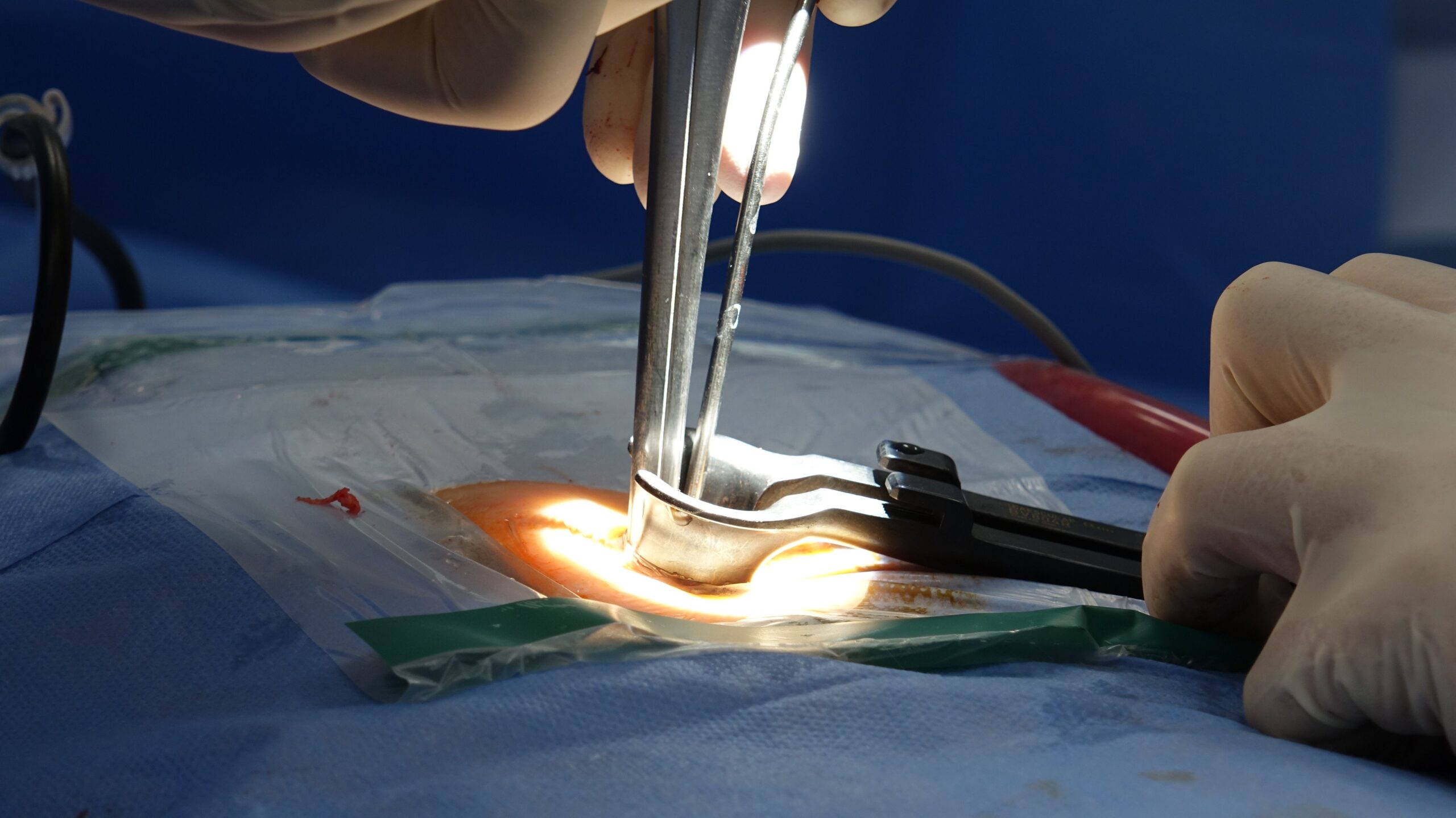
The human spine is one of the most complex and functionally critical structures in the body. It supports the entire axial skeleton, protects the spinal cord, enables movement in all directions, and transmits the mechanical loads of daily life through 33 vertebrae, 23 intervertebral discs, and an intricate network of ligaments and muscles. When disease, degeneration, trauma, or deformity compromises spinal stability or neurological function, surgery is often the only effective solution.
And at the heart of every successful spinal surgery is the quality of the spinal fixation instruments used by the surgical team.
This comprehensive guide covers everything spine surgeons, neurosurgeons, OR nurses, scrub technicians, and procurement specialists need to know about spinal fixation instruments — the categories, key tools, surgical applications, material standards, sterilization protocols, and what to look for when choosing instruments for your spinal surgery program.
“In spine surgery, the instrument is the interface between the surgeon’s skill and the patient’s outcome. Precise instruments enable precise fixation — and precise fixation is what determines whether a patient walks out of rehabilitation with their life restored.”
What Are Spinal Fixation Instruments?
Spinal fixation instruments are a specialized category of surgical tools used to stabilize, decompress, fuse, and reconstruct the vertebral column. They work together as a system — each instrument performing a specific, critical function in the sequence of steps required to achieve stable spinal fixation while protecting the spinal cord, nerve roots, and surrounding structures.
Unlike general surgical instruments, spinal fixation instruments must meet extraordinary performance demands:
- They work within millimeters of the spinal cord and major blood vessels — where a slip or instrument failure can be catastrophic
- They must transmit precise, controlled forces in a deep, narrow surgical field with limited direct visibility
- They must be dimensionally compatible with specific implant systems — pedicle screws, rods, interbody cages, and plates designed to exact tolerances
- They must withstand the mechanical demands of bone drilling, screw insertion, and rod reduction in the hardest cortical bone of the spine
- They must maintain sterility, precision, and structural integrity through hundreds of autoclave sterilization cycles
Spinal fixation instruments are used across multiple surgical disciplines, including orthopedic spine surgery, neurosurgery, pediatric spine deformity correction, trauma surgery, and minimally invasive spine surgery (MIS).
Why Spinal Fixation Instrument Quality Is Critical
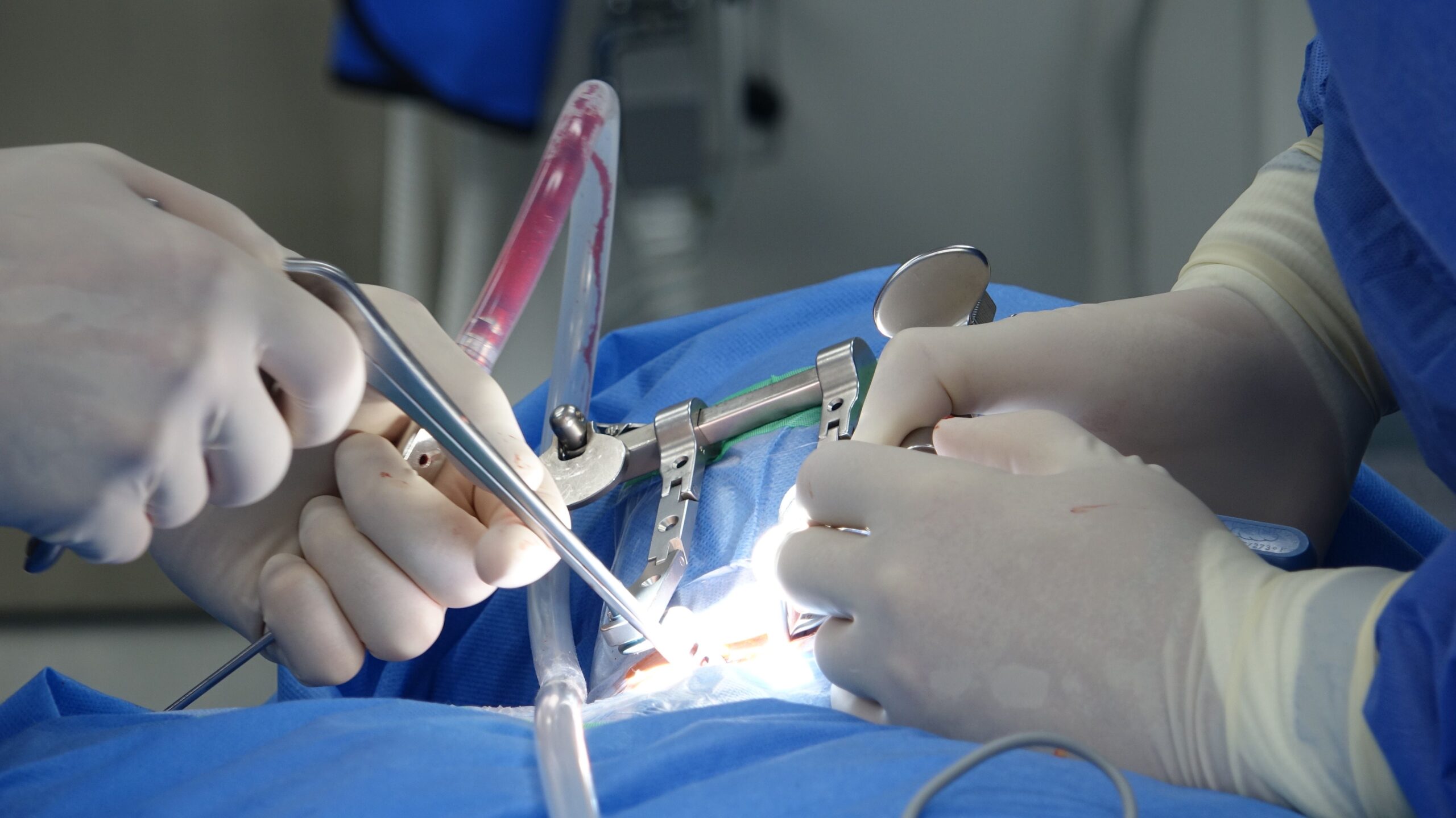
The consequences of instrument failure or imprecision in spinal surgery are among the most severe in all of medicine. The following complications — all linked to instrument-related issues — can occur when inadequate instruments are used:
- Pedicle wall breach: A drill guide that slips or lacks rigidity can cause the drill to violate the pedicle wall, risking cord or nerve root injury during pedicle screw placement
- Screw driver cam-out: A screwdriver that doesn’t precisely match the implant drive geometry can strip the screw head during insertion, requiring difficult extraction and implant replacement
- Instrument breakage: A weakened or substandard instrument that fractures during use can leave foreign material in the surgical field — a potentially life-threatening complication
- Inadequate rod reduction: Poor-quality rod holders and reduction instruments that cannot achieve sufficient reduction force may prevent the rod from seating correctly in the screw tulips, resulting in inadequate deformity correction
- Contamination: Instruments that cannot be fully sterilized due to complex geometry or inadequate material quality raise the risk of surgical site infection — one of the most devastating complications in spine surgery
For these reasons, spinal fixation instruments demand the highest material quality, precision manufacturing, and rigorous quality control of any instrument category in orthopedic surgery.
Major Categories of Spinal Fixation Instruments
1. Pedicle Access and Preparation Instruments
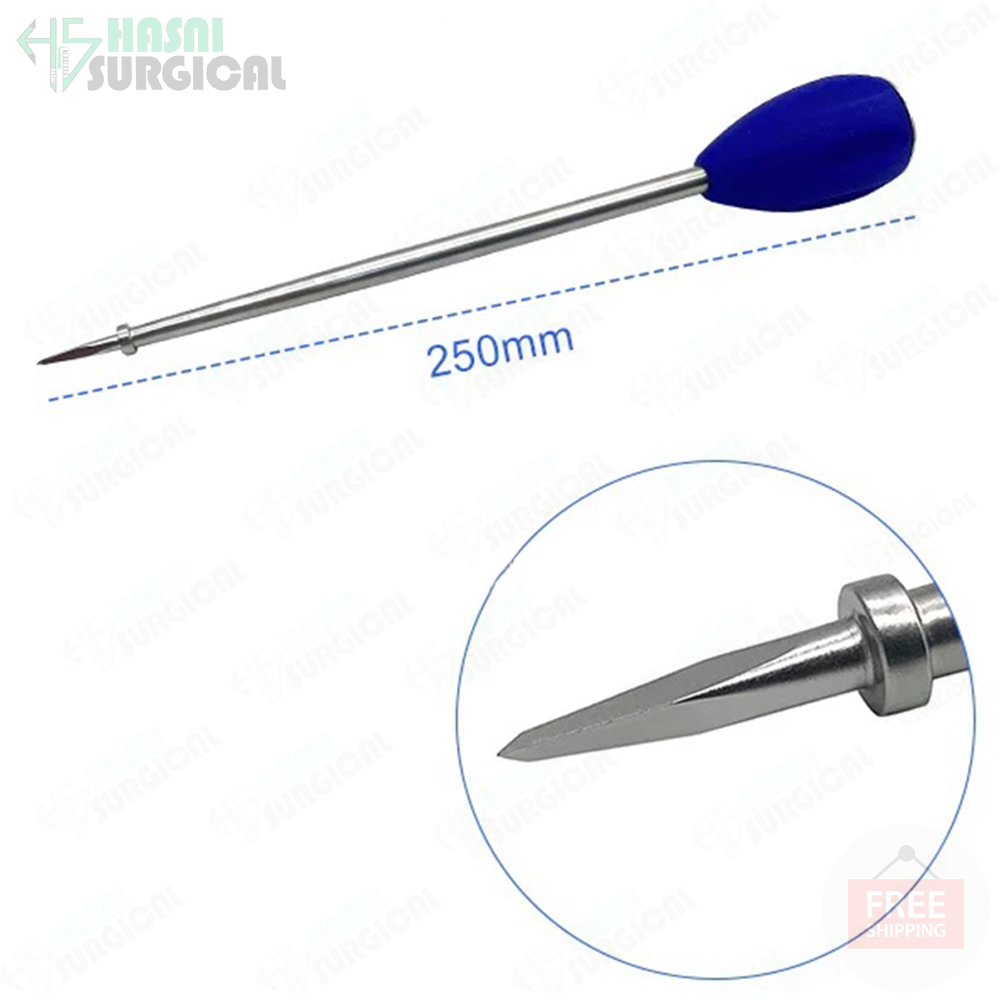
The pedicle is the bony bridge connecting the vertebral body to the posterior elements. Pedicle screws — the cornerstone of modern spinal fixation — are inserted through this narrow corridor. The instruments used to access and prepare the pedicle pathway are the most safety-critical tools in spinal fixation surgery.
- Pedicle awl: A pointed instrument used to create the initial entry point into the pedicle, breaking through the cortical bone at the entry point before the pedicle finder advances. The tip geometry determines how cleanly the entry is created without excessive force
- Pedicle finder / gear-shift probe: A curved, blunt-tipped instrument advanced through the cancellous bone of the pedicle into the vertebral body. The curved profile follows the natural trajectory of the pedicle and provides tactile feedback about pedicle wall integrity
- Ball-tip probe: Used after pedicle preparation to feel all four walls of the pedicle tract and the floor — confirming that no cortical breach has occurred before screw insertion. A critical safety step that prevents neurological injury
- Pedicle tap: Creates internal threads in the pedicle tract for screw purchase, particularly important in hard cortical bone where self-tapping screws may not achieve adequate purchase without pre-tapping
- Depth gauge: Measures the exact depth of the pedicle tract to select the correct screw length — ensuring the screw tip reaches the anterior cortex without breaching it
2. Spinal Screw Insertion Instruments

Once the pedicle tract is prepared, the pedicle screw must be inserted precisely and secured to the correct torque. These instruments handle the screw from the moment it leaves the sterile packaging to final tightening:
- Screw holder / hexagonal screwdriver: The primary insertion instrument — precisely matched to the screw drive geometry (typically hexagonal for pedicle screws). Must transmit torque without cam-out at any insertion depth or angle
- Extended tab screwdrivers: Used in minimally invasive surgery (MIS) — long, slender screwdrivers that extend from small skin incisions to the screw head, allowing percutaneous screw insertion without open exposure
- Torque-limiting screwdrivers: Set to a specific maximum torque to prevent screw overtightening — particularly important in osteoporotic bone where excessive torque can strip pedicle purchase
- Screw-holding sleeve: Maintains axial alignment of the screwdriver with the screw axis during insertion, preventing the screw from toggling and ensures even torque application
- Screw removal instruments: Reverse-threaded extractors and reversed-torque screwdrivers for removing stripped, broken, or malpositioned pedicle screws during revision procedures
3. Rod Handling and Connection Instruments
In posterior spinal fixation systems, titanium or cobalt-chrome rods connect the pedicle screws and provide the longitudinal stability of the construct. Handling, bending, and seating the rod requires a specific set of instruments:
- Rod benders: French benders and template benders that contour the rod to match the sagittal and coronal curvature required for the individual patient. Rod bending in spinal surgery requires specific technique — too little bend results in construct malalignment; too much risks rod fatigue failure
- Rod holders: Instrument grips that hold the rod during insertion and manipulation without contaminating the rod surface or applying stress concentrations
- Rod pushers and seaters: Instruments that push the rod down into the screw tulips, overcoming the reduction force needed for deformity correction
- Reduction instruments: Powerful mechanical tools that use lever action or ratchet mechanisms to draw the screw tulip up to the rod level — performing the actual reduction of scoliotic, kyphotic, or fractured spinal segments
- Locking cap tighteners: Apply the final locking cap or set screw onto the pedicle screw tulip, locking the rod in position at the correct torque
4. Spinal Retractors and Exposure Instruments
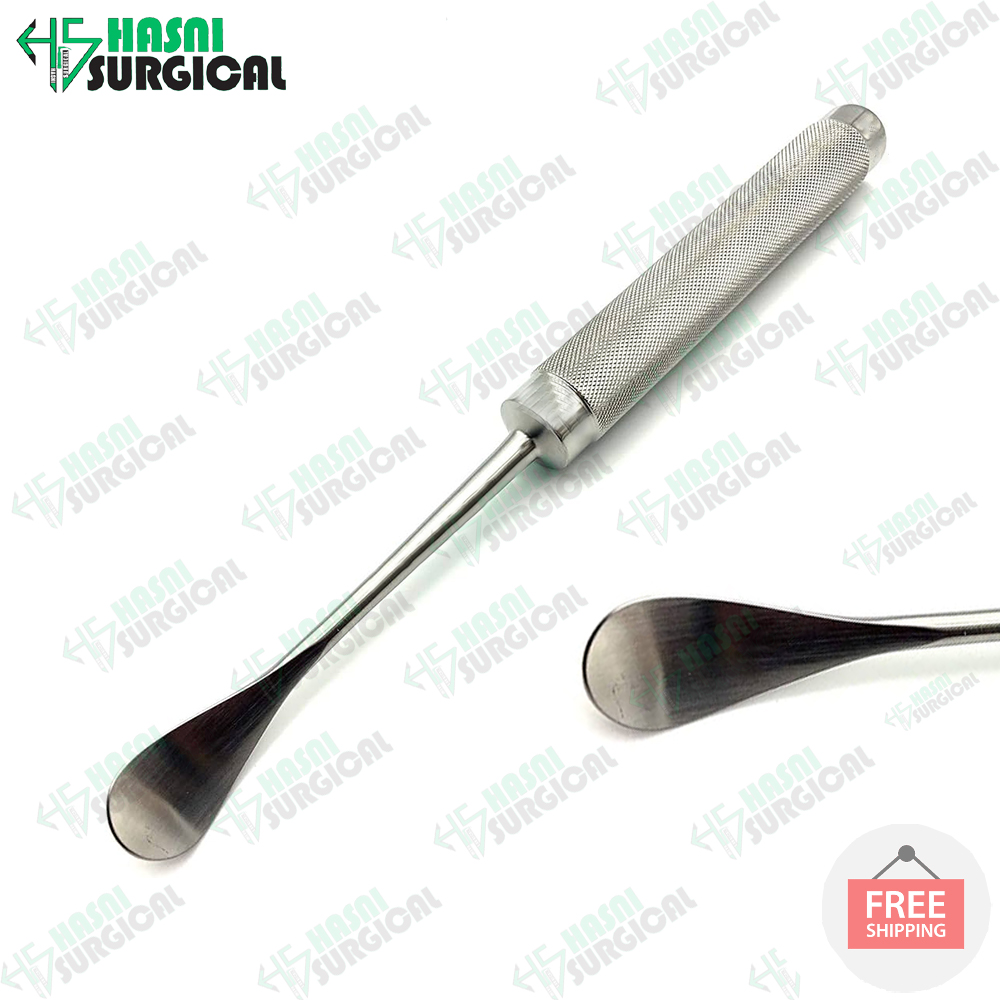
Before any fixation instrument can be used, the surgical approach must provide adequate exposure of the target spinal segments. Retractors and elevators are the instruments that create and maintain this exposure throughout the procedure.
- Cobb elevators: Curved periosteal elevators for stripping paraspinal muscles from the vertebral lamina and transverse processes — the primary exposure instrument in open posterior spine surgery. Available in multiple curve radii and blade widths
- Caspar retractor system: Self-retaining cervical retractors for anterior cervical approaches — providing continuous, stable retraction of the carotid sheath, trachea, and esophagus during ACDF and cervical disc replacement procedures
- Taylor retractors and laminectomy retractors: Deep blade retractors that maintain paraspinal muscle retraction throughout the procedure, providing the surgeon a clear view of the lamina, facets, and pedicle entry points
- Tubular retractors (MIS): Sequential dilating tube systems for minimally invasive approaches — creating a working channel through the paraspinal muscles to the spine without traditional open muscle stripping
- Nerve root retractors: Fine, flexible instruments for gently protecting and retracting nerve roots during decompression — protecting the most vulnerable neural structures in the surgical field
5. Bone Removal and Decompression Instruments

Spinal decompression — removing bone, disc, or soft tissue that is compressing the spinal cord or nerve roots — often accompanies fixation surgery. These instruments perform the critical work of safely removing tissue while protecting neural structures:
- Laminectomy rongeurs (Kerrison punches): The workhorse of spinal decompression — foot-plate guided cutting forceps that remove bone from the lamina, facets, and ligamentum flavum in controlled, bite-sized pieces. Available in multiple bite widths (1–5 mm) and angles (40°, 90°)
- Bone curettes: Spoon-shaped instruments for removing disc material, loose bone fragments, and granulation tissue from the disc space, vertebral end plates, and decompression sites. Critical for interbody fusion bed preparation
- Pituitary rongeurs (disc rongeurs): Used to remove nucleus pulposus material from the disc space during discectomy — available in straight, angled, and upbiting configurations for all areas of the disc
- Osteotomes and chisels: For controlled bone cuts in osteotomy procedures — Smith-Petersen osteotomy, pedicle subtraction osteotomy, and vertebral column resection for rigid deformity correction
- High-speed drill and burr: Removes lamina, facets, and osteophytes for laminectomy and foraminotomy — the most efficient method for bulk bone removal while protecting dura and nerve roots
6. Interbody Fusion Instruments

Spinal fusion requires the growth of solid bone across the target motion segment, creating a permanent rigid bridge between vertebrae. Interbody fusion — placing a cage or graft between the vertebral bodies — is the gold standard for achieving a high-rate, durable fusion. The instruments for interbody procedures include:
- Disc space distractor / spreader: Opens the collapsed or stenotic disc space to the height required for cage insertion, restoring disc height and indirect nerve root decompression
- End plate scrapers and shavers: Remove the cartilaginous end plate from the vertebral bodies to expose bleeding cancellous bone, which is essential for fusion — bone will not fuse to cartilage
- Trial sizers: Template implants in the same size and geometry as the final cage, used to determine the optimal cage dimensions before the definitive implant is inserted
- Cage inserters and impactors: Hold and advance the cage into the disc space in the correct orientation and position without contaminating or damaging the implant
- Bone graft delivery instruments: Funnel systems, syringes, and tampers for packing autograft, allograft, or synthetic graft material into the disc space around or within the cage
7. Cervical Spine Fixation Instruments
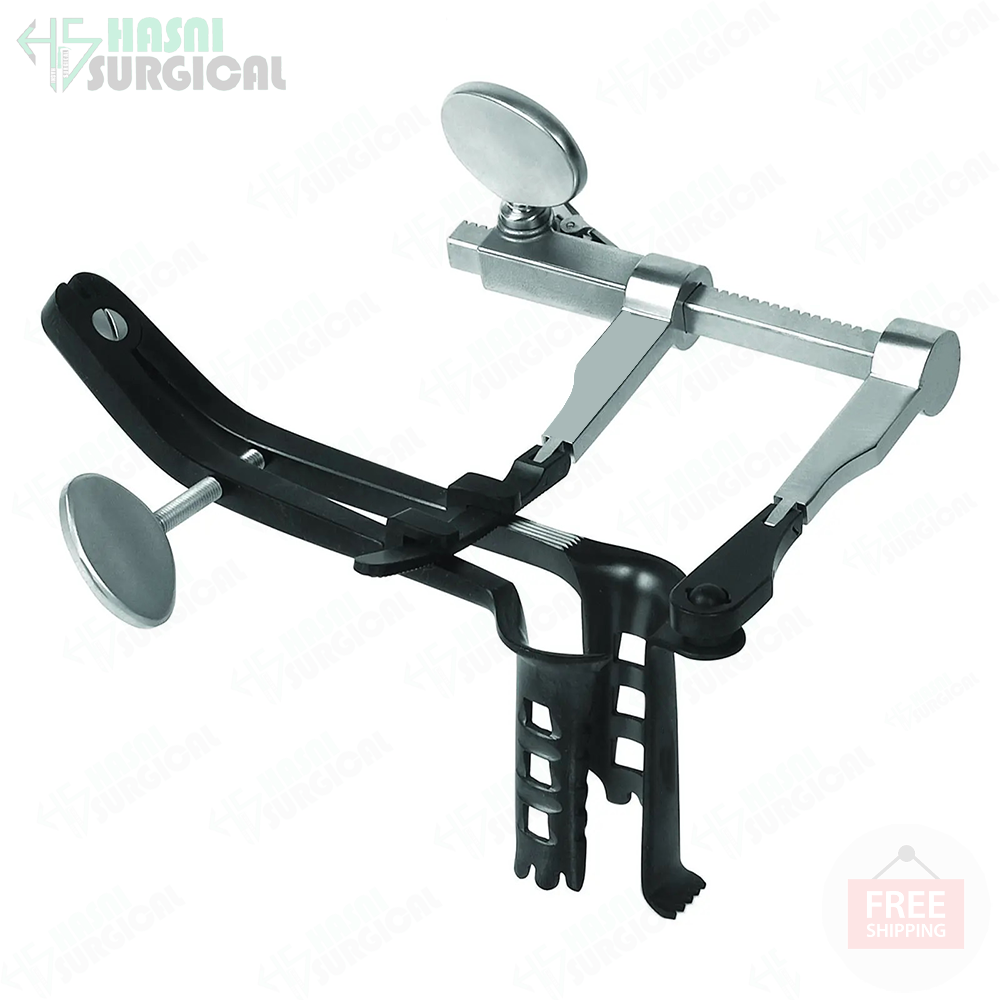
Cervical spine surgery presents unique instrument requirements due to the proximity of the carotid arteries, vertebral arteries, esophagus, trachea, and spinal cord within a confined surgical corridor. Dedicated cervical fixation instruments include:
- Caspar distraction pins and pin holders: Inserted into adjacent vertebral bodies to provide controlled distraction of the cervical disc space during ACDF, facilitating disc removal and end plate preparation
- Cervical plate holding forceps: Maintain precise plate position during screw insertion on the anterior cervical spine — critical in the narrow exposure of the anterior cervical approach
- Cervical screwdrivers: Shorter, angled screwdrivers for the restricted working depth of cervical plate fixation
- Micro curettes and disc rongeurs: Finer caliber instruments for the smaller disc spaces and more delicate neural structures of the cervical spine
- Dural retractors: Extremely fine nerve hooks and dural retractors for mobilizing the dura and nerve roots during posterior cervical decompression
8. Complete Spinal Surgery Sets

For spine surgery departments setting up or expanding their instrument inventory, complete spinal surgery sets provide a cost-effective, immediately deployable solution. A comprehensive spinal fixation set of 28–30 pieces covers:
- Pedicle awls, finders, probes, and taps
- Depth gauges and angle guides
- Pedicle screwdrivers (multiple lengths and configurations)
- Rod benders, holders, and reduction instruments
- Laminectomy rongeurs (multiple bite sizes)
- Disc curettes and pituitary rongeurs
- Cobb elevators and retractors
- Nerve root retractors
- Autoclavable sterilizing box for organized storage and transport
Complete sets eliminate the need for piecemeal purchasing, ensure all instruments are dimensionally matched and manufactured to the same quality standard, and provide organized storage that supports instrument counting and sterility management in the OR.
Spinal Fixation Instruments by Procedure Type
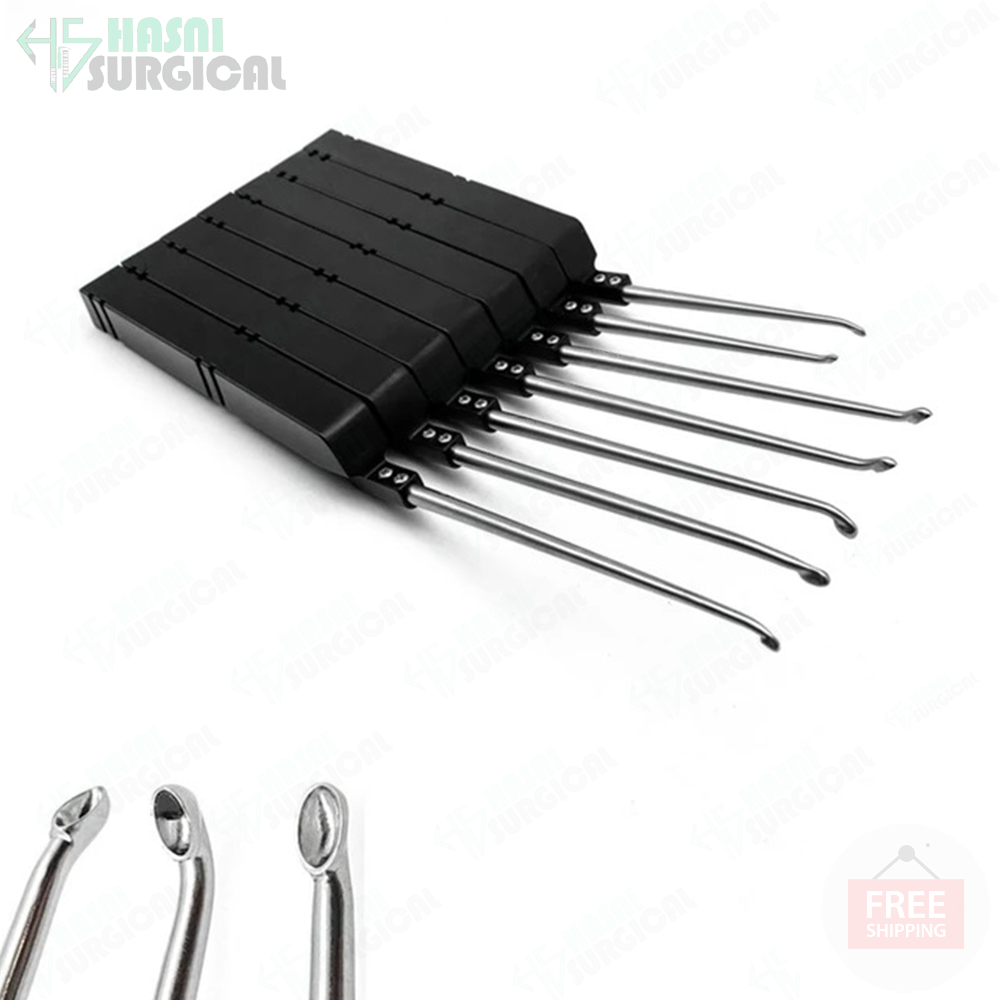
Lumbar Spinal Fusion (PLIF / TLIF / ALIF)
Posterior lumbar interbody fusion (PLIF), transforaminal lumbar interbody fusion (TLIF), and anterior lumbar interbody fusion (ALIF) are the most commonly performed spinal fixation procedures worldwide. Each approach uses a specific instrument configuration — PLIF and TLIF require pedicle screw systems, rod systems, Kerrison rongeurs, disc curettes, and cage inserters; ALIF uses retractor systems, disc shavers, and anterior cage instruments via an abdominal approach.
Anterior Cervical Discectomy and Fusion (ACDF)
ACDF is the most common cervical spine procedure globally. The dedicated instrument set includes Caspar distraction pins, micro disc rongeurs, end plate scrapers, anterior cervical plate holding forceps, and cervical cage inserters. The confined approach and proximity of major neurovascular structures make precision instruments critically important in this procedure.
Laminectomy and Decompression
Laminectomy removes the posterior arch of one or more vertebrae to decompress the spinal canal and nerve roots. The primary instruments are Kerrison rongeurs (in multiple bite sizes), high-speed drills, Cobb elevators for lamina exposure, and nerve root retractors for neural protection during the decompression. Laminectomy may be combined with posterior instrumented fusion when spinal instability is present.
Scoliosis and Deformity Correction
Spinal deformity correction surgery — for scoliosis, kyphosis, and complex three-dimensional deformities — uses the most comprehensive spinal fixation instrument sets in all of spine surgery. In addition to standard pedicle screw and rod instruments, deformity correction requires powerful reduction instruments, derotation instrumentation, rod contouring templates, and domino connectors for extending the construct. The forces required for deformity correction are substantially greater than in routine fusion procedures, placing the highest demands on instrument strength and ergonomics.
Minimally Invasive Spine Surgery (MIS)
Minimally invasive approaches use tubular dilating systems, percutaneous pedicle screw systems with extended tabs, and specialized fluoroscopic guidance to achieve fixation through small skin incisions. MIS instruments must deliver the same fixation precision as open surgery through a dramatically more restricted working space — making instrument quality and ergonomic design even more critical than in conventional open approaches.
Vertebral Fracture Fixation
Traumatic vertebral fractures — from the cervical spine through the lumbar spine — require rapid, reliable fixation to restore spinal stability and protect neurological function. The instrument set for fracture fixation must be immediately deployable in an emergency OR, simple to use under time pressure, and capable of achieving stable fixation across the injury zone. Complete spinal fracture fixation sets in autoclavable sterilizing boxes support rapid deployment in trauma centers.
Cobb Spinal Elevators: The Essential Exposure Instrument

The Cobb elevator is one of the most-used instruments in posterior spine surgery. This curved periosteal elevator is used to strip the paraspinal muscles (erector spinae) subperiosteally off the vertebral lamina, facets, and transverse processes — the essential first step of every open posterior spinal fixation procedure.
Quality Cobb elevators must have:
- Precisely ground blade edges: Sharp enough to strip periosteum cleanly without tearing, but not so sharp as to risk cortical bone perforation
- Appropriate curve geometry: The blade curvature must match the vertebral anatomy of the target spinal level — cervical, thoracic, and lumbar Cobbs have different curve profiles
- Solid stainless steel construction: The torque and leverage forces applied during muscle stripping require a rigid, one-piece stainless steel instrument with no risk of handle separation
- Comfortable handle design: Surgeon comfort during the prolonged, physically demanding muscle stripping phase of a multi-level posterior fusion directly affects the quality of bone exposure achieved
Material Standards for Spinal Fixation Instruments
| Instrument Type | Required Material | Critical Property | Autoclave Cycles |
|---|---|---|---|
| Pedicle awl / finder | 316L surgical stainless steel | Tip hardness and shape retention | 500+ |
| Ball-tip probe | 316L surgical stainless steel | Tactile sensitivity — thin shaft | 500+ |
| Pedicle screwdriver | Hardened 316L stainless | Torque transmission, no cam-out | 500+ |
| Rod bender | High-strength stainless steel | Bending force without permanent deformation | 500+ |
| Kerrison rongeur | 316L + carbide jaw inserts | Cutting edge sharpness; foot plate thickness | 300+ |
| Cobb elevator | 316L surgical stainless steel | Blade edge retention; handle rigidity | 500+ |
| Disc curette | 316L surgical stainless steel | Cup geometry precision; shaft flexibility | 500+ |
| Cage inserter | 316L surgical stainless steel | Implant engagement precision | 500+ |
All Hasni Surgical spinal fixation instruments are manufactured from premium surgical-grade 316L stainless steel, with cutting instruments receiving additional hardening treatment to maintain edge performance through hundreds of clinical uses. Every instrument is quality-control tested before dispatch.
Sterilization and Care of Spinal Fixation Instruments
Spinal surgery carries a particularly high risk of deep infection due to the implants placed, the length of procedures, and the consequences of spinal infection (osteomyelitis, epidural abscess, and neurological deterioration). Instrument sterilization must be meticulous and fully verified:
- Immediate point-of-use cleaning: Wipe all instruments immediately after use to remove bone, blood, and tissue before they dry. Dried bone fragments in instrument lumens and joints are the most common cause of inadequate sterilization
- Ultrasonic cleaning (mandatory): Spinal instruments have complex geometries — instrument lumens, hinged joints, tulip mechanisms, and threaded connections — that manual cleaning cannot fully clean. Ultrasonic cleaning is essential, not optional, for spinal fixation instruments
- Enzymatic pre-soak: 10–20 minutes in pH-neutral enzymatic cleaner before ultrasonic processing. Enzymatic cleaners break down protein debris that resists mechanical cleaning
- Thorough rinse with distilled water: Removes enzymatic cleaner residue and mineral deposits that can interfere with sterilization efficacy
- Visual inspection under magnification: Check cutting edges of rongeurs and curettes for wear or nicks; verify probe tips are not bent; confirm screwdrivers tips are undamaged and match the drive geometry
- Pre-vacuum steam autoclave at 134°C: Pre-vacuum (porous load) cycle is essential for spinal instruments — gravity displacement steam cannot reliably penetrate instrument lumens and complex joints. Verify cycle parameters with chemical and biological indicators
- Organised tray storage: Store instruments in labelled, individual-slot cassette trays within the sterilizing box. Prevents instrument damage, facilitates counting, and maintains sterility packaging integrity
Buyer’s Guide: Choosing Spinal Fixation Instruments
- ☑️ Implant system compatibility: Confirm instruments are matched to pedicle screw system dimensions — screwdriver geometry, rod diameter, and tulip dimensions must be compatible
- ☑️ Material certification: 316L surgical stainless steel with documented material certificate — never accept instruments without material confirmation
- ☑️ Set completeness: Every instrument needed for your surgical procedures must be present — gaps in a spinal instrument set are a patient safety issue
- ☑️ Kerrison rongeur quality: The most frequently replaced instrument in spinal surgery — choose instruments with carbide jaw inserts for extended cutting life
- ☑️ Organised tray system: Autoclavable cassette trays with individual slots are essential for count management and instrument protection
- ☑️ Probe tip geometry: Ball-tip probes must have the correct tip diameter for reliable pedicle wall tactile feedback
- ☑️ Regulatory compliance: ISO 13485 manufacturer certification, CE marking, and FDA clearance for clinical instrument sets
- ☑️ Individual instrument replacement: Confirm worn or damaged instruments can be individually replaced without purchasing a complete new set
- ☑️ Technical support: Choose a supplier that provides instrument selection guidance and responsive after-sales technical support
Why Choose Hasni Surgical for Spinal Fixation Instruments?
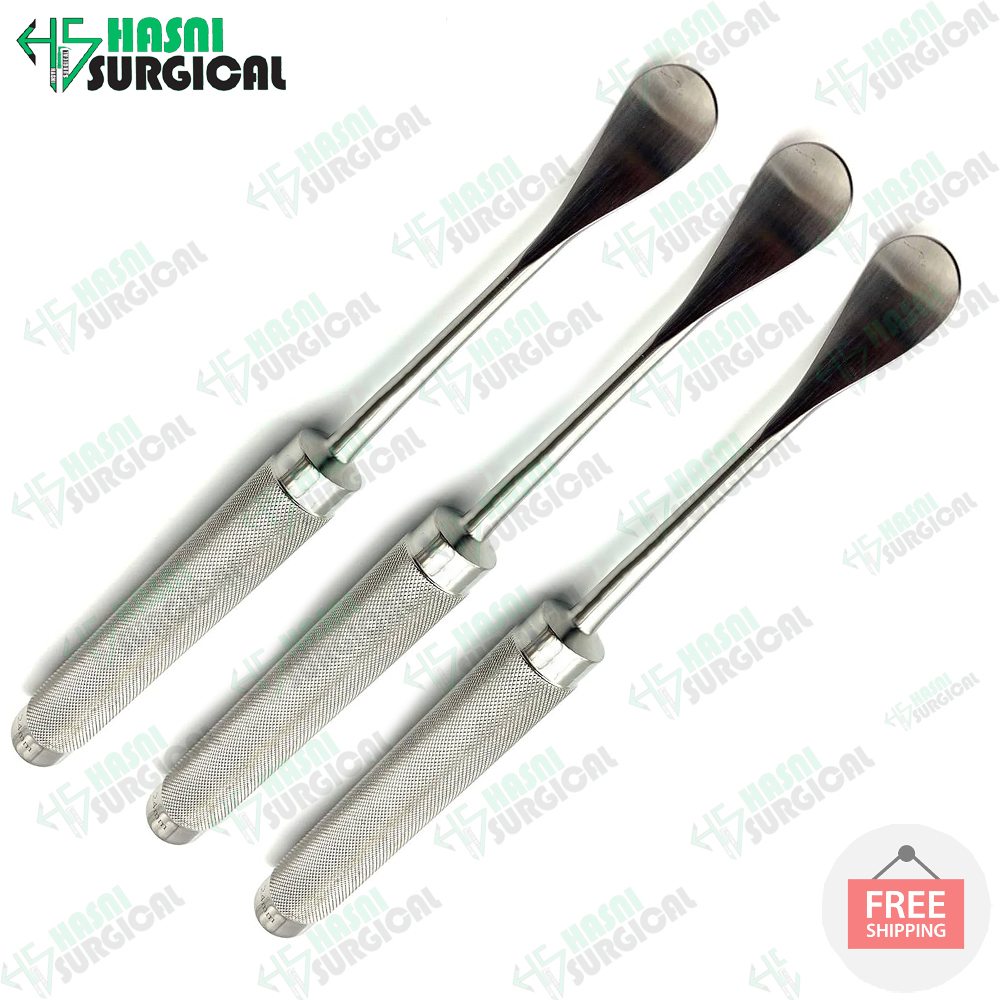
Hasni Surgical is a trusted global manufacturer of precision surgical instruments, based in Sialkot, Pakistan — one of the world’s premier surgical instrument manufacturing hubs. Our spinal fixation instrument range is built on the same commitment to quality, precision, and reliability that defines everything we manufacture.
- ✅ Premium 316L surgical stainless steel: All spinal instruments manufactured from certified surgical-grade steel
- ✅ ISO 13485 certified manufacturing: Quality management system certified to international medical device standards
- ✅ Complete instrument sets: Spinal surgery sets of 28–30 pieces with autoclavable sterilizing box for organized storage and deployment
- ✅ Brand new condition: Every instrument supplied brand new — no refurbished or reprocessed stock ever
- ✅ Ultrasonic cleaned before packaging: Instruments arrive clean and ready for final sterilization
- ✅ Fast worldwide shipping: Dispatched within 2 working days; delivery to most destinations within 10–35 days
- ✅ Bulk order discounts: 25% discount for hospital and clinic bulk purchases
- ✅ 60-day money-back guarantee: Full refund if not completely satisfied with your purchase
- ✅ CE and ISO certified products: All instrument sets fully certified to international medical device standards
Frequently Asked Questions (FAQ)
What are spinal fixation instruments?
Spinal fixation instruments are specialized surgical tools used to stabilize, decompress, fuse, and reconstruct the vertebral column. They include pedicle awls, finders, probes, taps, screwdrivers, rod benders and holders, reduction instruments, Kerrison rongeurs, disc curettes, Cobb elevators, retractors, and interbody cage inserters — working as a system to achieve safe, precise spinal fixation while protecting the spinal cord and nerve roots.
What is a pedicle probe used for in spine surgery?
A pedicle probe (ball-tip probe or gear-shift probe) is used to create and verify the pedicle tract before pedicle screw insertion. After the pedicle awl creates an entry and the pedicle finder advances through the pedicle, the ball-tip probe is used to tactilely feel all four walls of the prepared pedicle tract and the anterior cortex — confirming that no cortical breach has occurred that could risk spinal cord or nerve root injury during screw insertion.
What is a Kerrison rongeur and what sizes are needed?
A Kerrison rongeur (also called a Kerrison punch) is a foot-plate guided cutting forceps used to remove bone and ligament tissue during spinal decompression — laminectomy, foraminotomy, and flavectomy. The foot plate slides under the bone to be removed, protecting the dura and nerves beneath, while the upper cutting blade removes the bone in controlled bites. Most spinal surgery programs require sets that include 1 mm, 2 mm, 3 mm, and 4 mm bite widths in both 40° and 90° angles to cover all decompression situations.
What is the difference between PLIF, TLIF, and ALIF instruments?
PLIF (posterior lumbar interbody fusion) and TLIF (transforaminal lumbar interbody fusion) both use posterior approaches with pedicle screws, rod systems, disc curettes, and interbody cage inserters — TLIF uses a unilateral transforaminal approach requiring angled cage inserters. ALIF (anterior lumbar interbody fusion) uses an anterior abdominal approach with a different retractor system, no pedicle screw insertion from the posterior side (unless supplemented), and anterior-specific cage insertion instruments. Each approach has dedicated instrument requirements that should not be interchanged.
How many pieces are in a complete spinal fixation instrument set?
A basic comprehensive spinal fixation set typically contains 28–35 instruments covering pedicle access tools, screw insertion instruments, rod handling tools, decompression rongeurs, disc curettes, retractors, and elevators. Advanced sets for complex deformity surgery may contain 80–150 instruments. Cervical spine sets are typically separate from thoracolumbar sets, as the instrument geometries and sizes differ substantially. Complete sets come with an autoclavable sterilizing box for organised storage and transport.
Does Hasni Surgical offer spinal fixation instruments with worldwide shipping?
Yes. Hasni Surgical offers a comprehensive range of spinal fixation instruments — including spine probes, Cobb elevators, Caspar retractor systems, spine curette sets, microdiscectomy sets, Kerrison rongeurs, cervical kits, and complete spinal surgery sets with sterilizing boxes — all available with worldwide shipping from Sialkot, Pakistan. Orders dispatched within 2 working days; bulk orders qualify for 25% discount. Contact Hasni Surgical for custom set configuration and volume pricing.
Conclusion
Spinal fixation instruments represent the highest tier of surgical instrument precision, quality demand, and clinical consequence. The spine is unforgiving — errors during pedicle preparation, rod seating, or decompression can result in neurological injury that changes a patient’s life forever. The instruments used by the surgical team are the critical interface between surgical skill and patient outcome.
From pedicle awls and ball-tip probes that guide safe pedicle screw placement, to Kerrison rongeurs that decompress compressed nerve roots, to rod reduction instruments that correct years of progressive deformity — every instrument in the spinal fixation set performs an irreplaceable function. Compromising on instrument quality in spine surgery is never acceptable.
Explore Hasni Surgical’s comprehensive range of spinal fixation instruments — precision manufactured, certified to international standards, and available with worldwide shipping and expert technical support.
