
Bone Implant Instruments: The Complete Guide for Surgeons and OR Teams
June 23, 2026 2026-06-23 5:25Bone Implant Instruments: The Complete Guide for Surgeons and OR Teams
 hasni
hasni 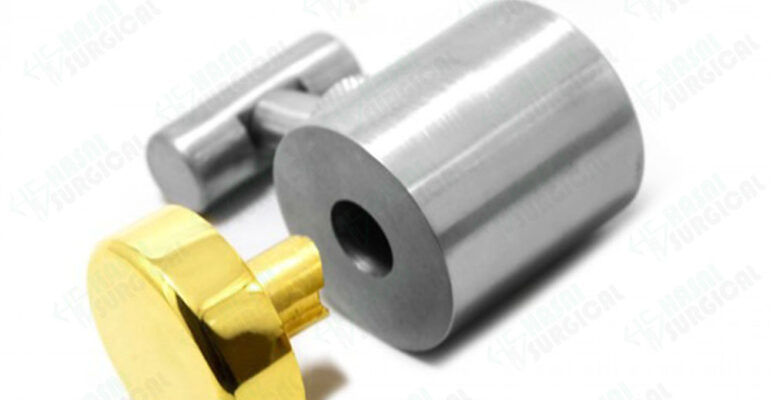
Bone Implant Instruments: The Complete Guide for Surgeons and OR Teams

Every year, millions of patients worldwide undergo surgical procedures involving bone implants — from fracture fixation with plates and screws, to total hip and knee replacement, to dental implant surgery and complex bone grafting procedures. Behind every successful bone implant surgery is a set of specialized, precision-engineered instruments that make accurate implant placement possible.
Bone implant instruments are a category of surgical tools specifically designed to prepare bone, shape and size implants, drill precise channels, measure depths and angles, and securely fix implants in their final position. Without the right instruments, even the most expertly designed implant cannot be placed correctly — leading to implant failure, malunion, infection, or reoperation.
This comprehensive guide covers everything orthopedic surgeons, oral surgeons, OR nurses, scrub technicians, and procurement teams need to know about bone implant instruments: categories, key tools, clinical applications, sterilization, and how to choose the right instruments for your practice.
“A bone implant is only as good as the instruments used to place it. Precision tools enable precise placement — and precise placement is what determines long-term implant success.”
What Are Bone Implant Instruments?
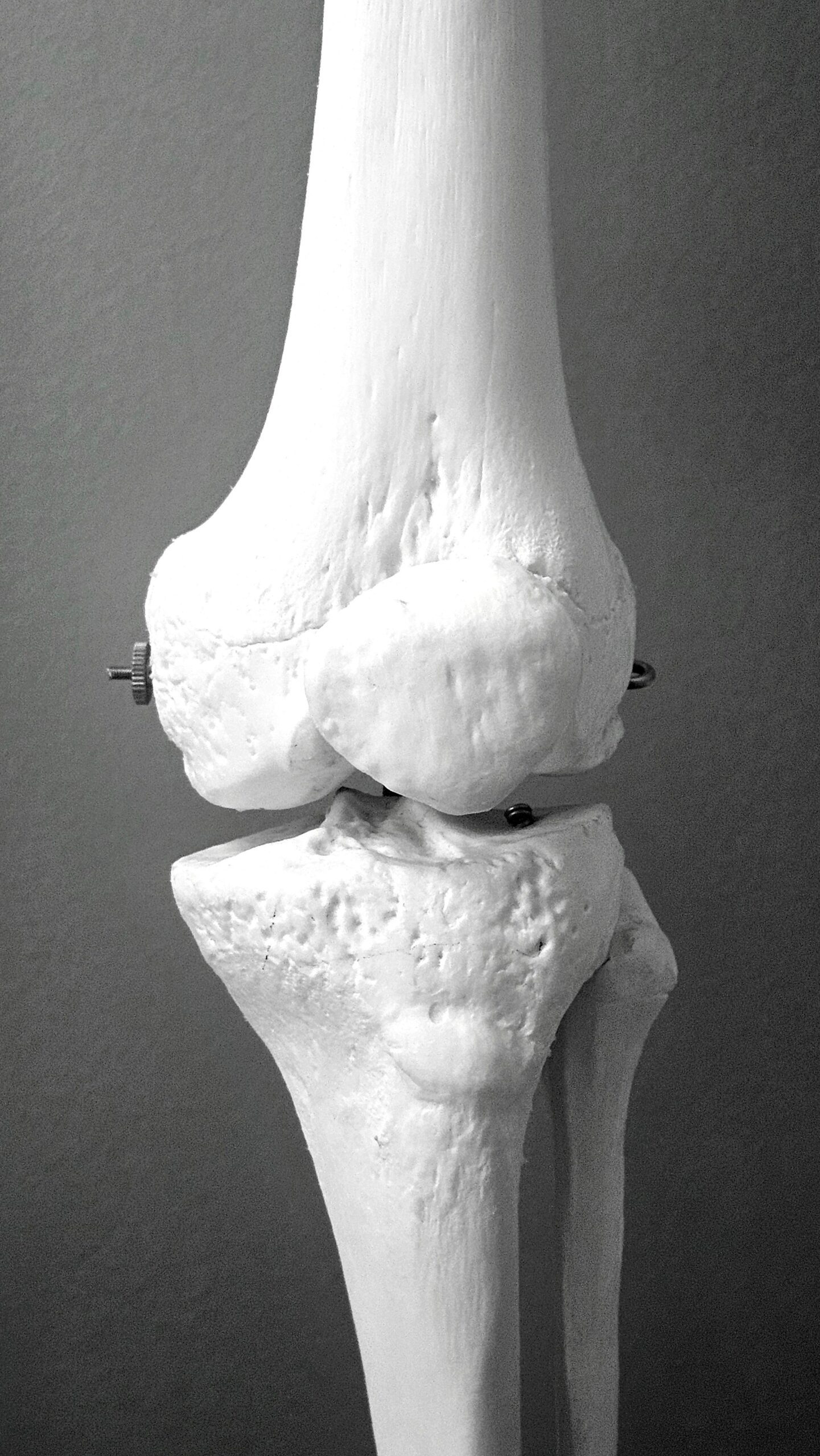
Bone implant instruments are specialized surgical tools used across orthopedic, trauma, dental, and maxillofacial surgery to prepare the implantation site, handle and position implants, achieve secure fixation, and verify correct placement. They differ from general surgical instruments in several critical ways:
- They are designed to work directly on bone — one of the hardest tissues in the human body — requiring exceptional material strength and precision
- They must be compatible with specific implant systems — each implant manufacturer designs dedicated instruments matched to their implant geometry
- They must withstand the high torque, force, and vibration of bone drilling and fixation without deformation
- They must be fully autoclavable and maintain dimensional precision through hundreds of sterilization cycles
- They require the highest levels of manufacturing quality control, as dimensional inaccuracies can result in incorrect implant placement and surgical failure
Bone implant instruments are used across multiple surgical specialties including orthopedic trauma surgery, joint replacement surgery, spinal surgery, dental implant surgery, oral and maxillofacial surgery, and veterinary orthopedic surgery.
Major Categories of Bone Implant Instruments
1. Bone Drilling and Preparation Instruments
Before any implant can be placed, the bone must be precisely prepared. Bone drilling instruments create the exact diameter, depth, and angulation required for the implant to fit securely. Key instruments in this category include:
- Surgical drills and drill bits: High-speed precision drill bits made from hardened stainless steel or titanium-coated steel that create pilot holes of exact diameter in cortical and cancellous bone. Available in sequential sizes for progressive drilling protocols
- Drill guides and sleeves: Precision guides that direct the drill at the correct angle and depth, preventing skiving (slipping) on smooth bone surfaces and ensuring consistent hole placement relative to implant landmarks
- Depth gauges: Calibrated instruments that measure the exact depth of a drilled hole, ensuring the correct screw or implant length is selected — one of the most important measurements in bone implant surgery
- Countersinks: Tools that create a conical recess at the bone surface to seat screw heads flush with or below the cortical surface, minimizing implant prominence and reducing soft tissue irritation
- Taps: Thread-cutting tools that create internal threads in cortical bone for self-tapping screws, improving initial purchase and pullout strength in hard cortical bone
2. Bone Fixation Instruments
Fixation instruments apply, tighten, and verify the mechanical security of bone implants. Without proper fixation instruments, implants cannot be seated to the correct torque, depth, or rotational position.
- Screwdrivers (hex, square drive, and cruciate): Purpose-designed screwdrivers matched to the drive geometry of each implant screw. Available in various shaft lengths and handle designs — straight for accessible sites, angled for restricted access, torque-limiting for precise fixation
- Wrenches and socket drivers: Used for larger implant fixation elements including pedicle screws, intramedullary nail locking bolts, and large fragment screws
- Screw holding forceps: Hold and guide screws during initial placement without dropping them into the wound — critical in deep or narrow surgical approaches
- K-wire (Kirschner wire) drivers: Power or hand-driven instruments for inserting fine stainless steel wires used in temporary bone fixation, fracture reduction maintenance, and guide wire placement for cannulated screws
- Bone holding forceps and reduction clamps: Hold fracture fragments in anatomic alignment during drilling and screw placement, maintaining reduction while fixation is achieved
3. Bone Grafting Instruments
Bone grafting is used to fill bone defects, augment bone volume at implant sites, and promote bone healing. The instruments used for bone grafting must handle graft material without contamination and place it precisely at the target site.
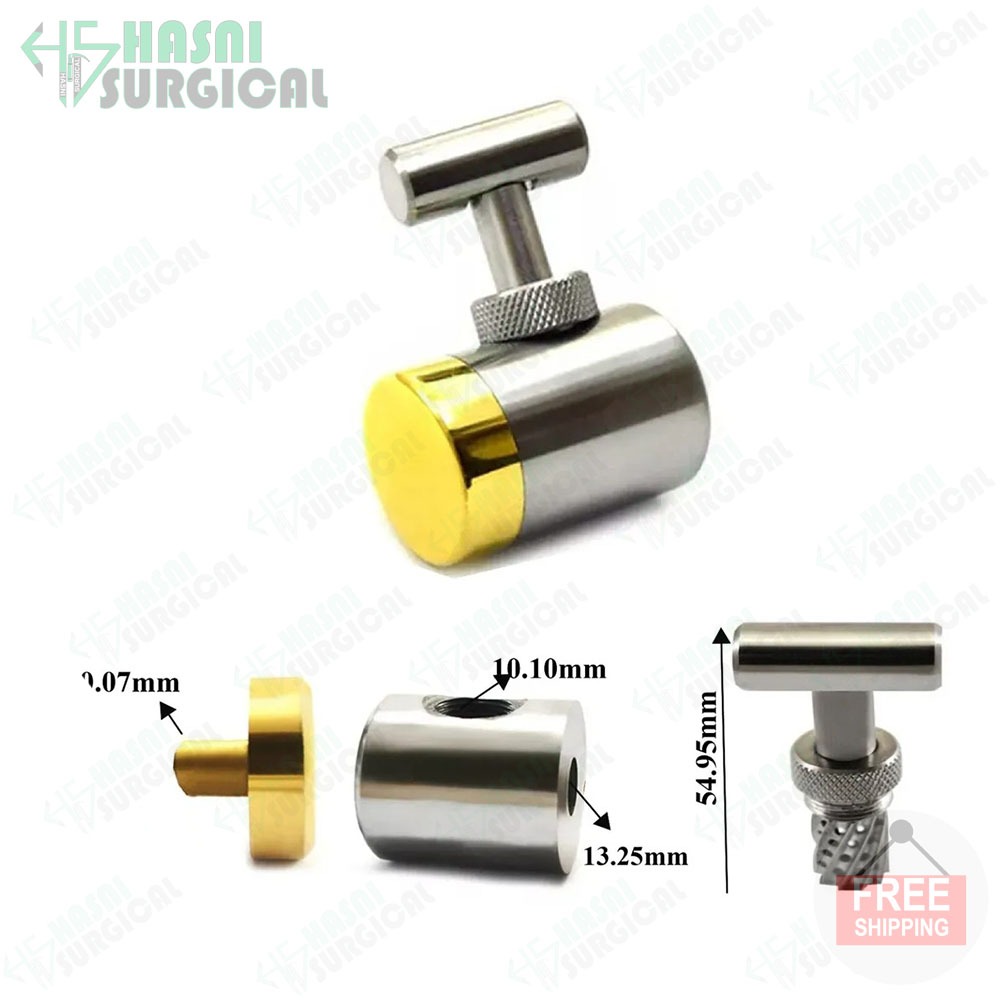
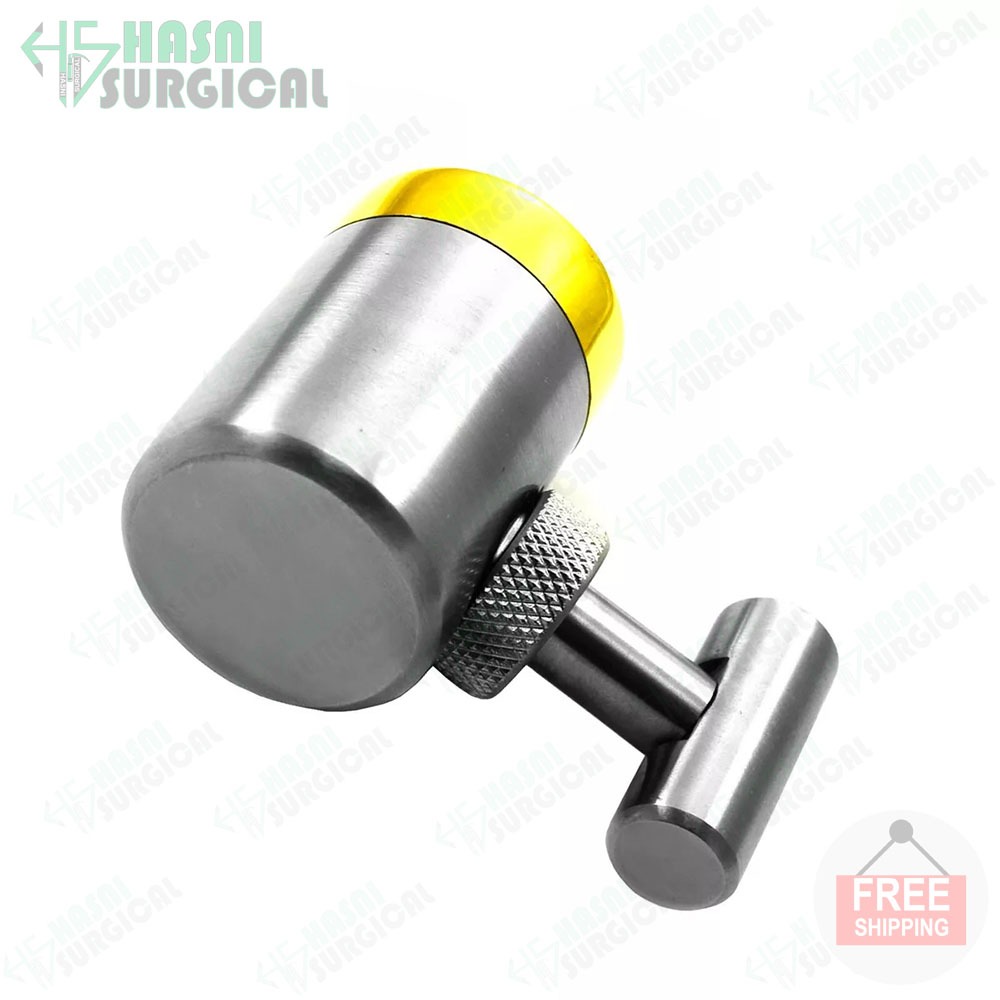
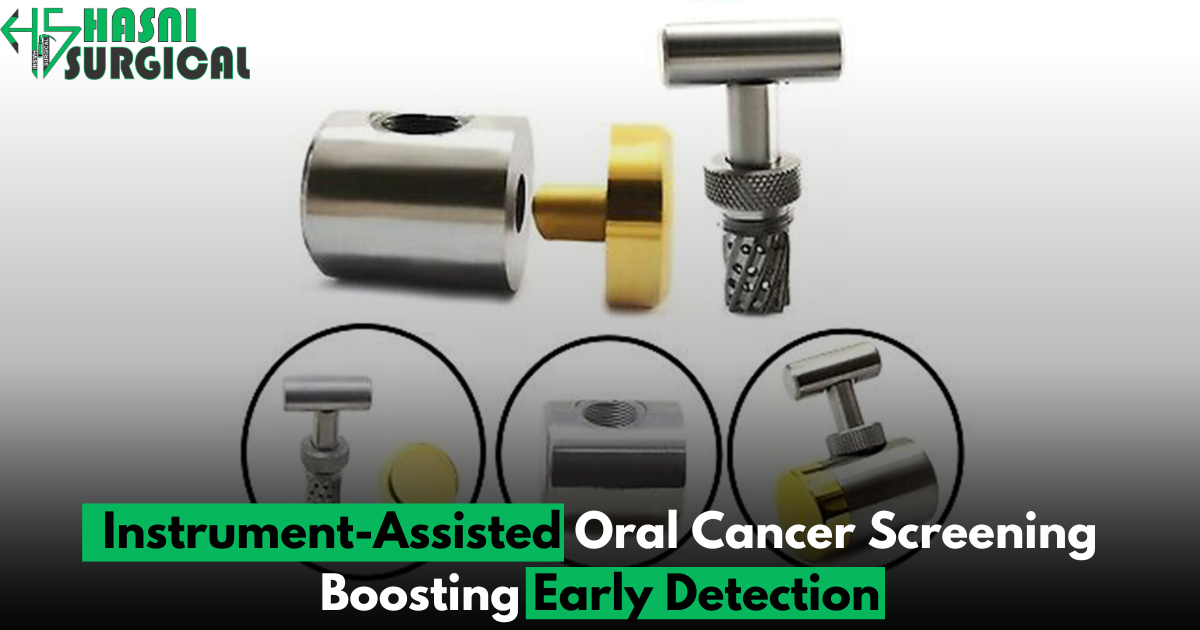
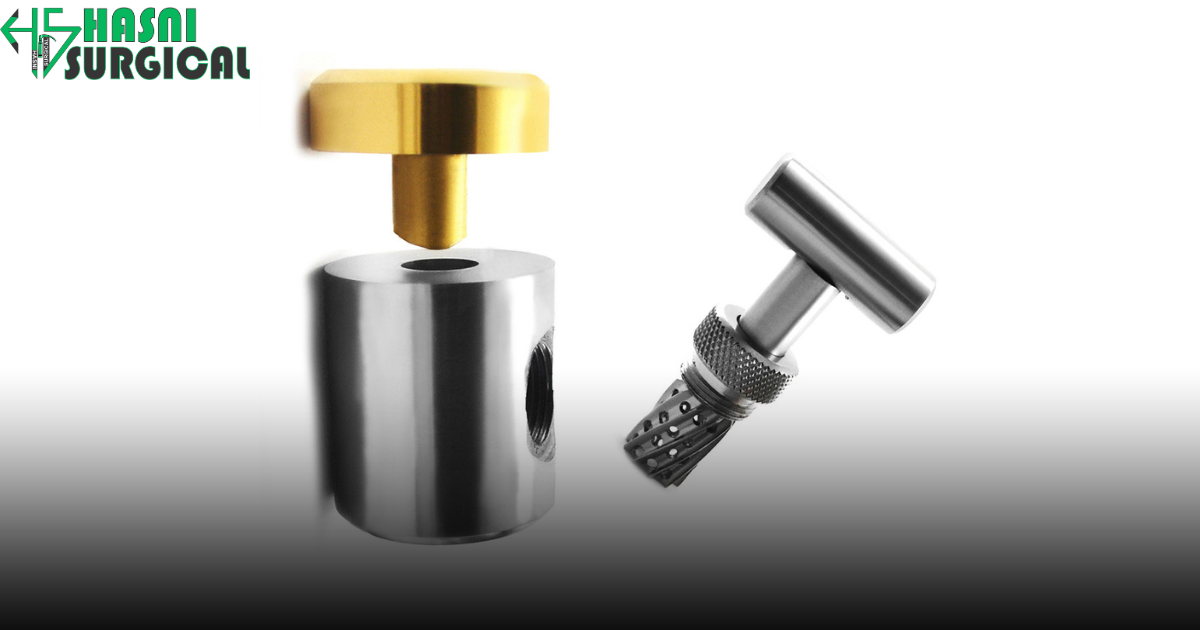
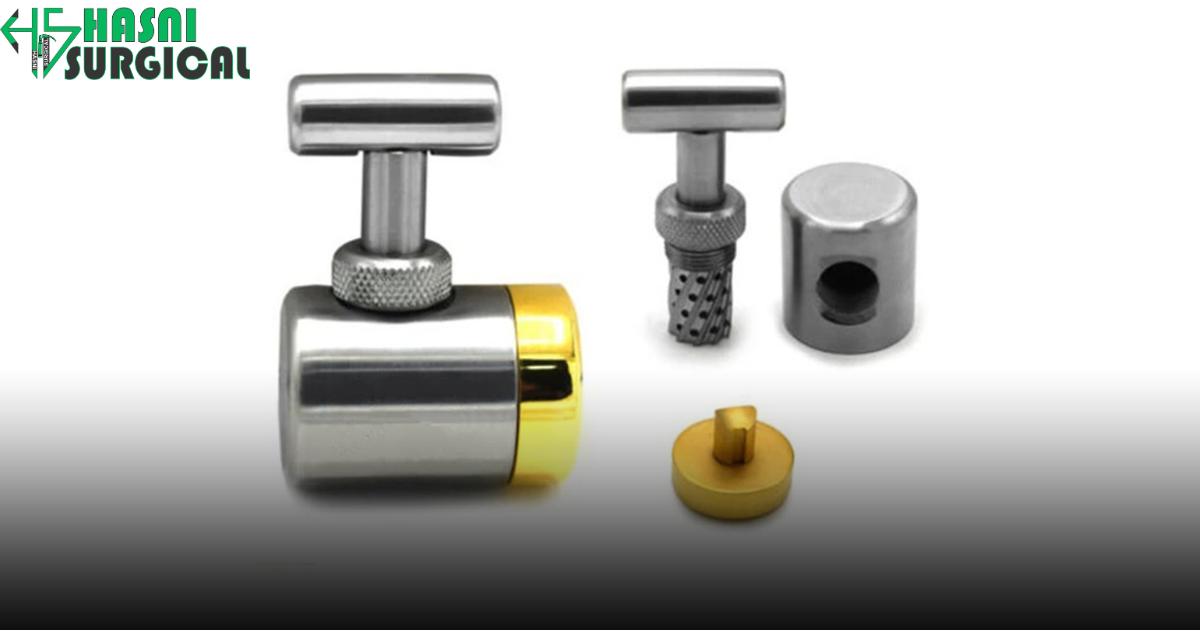
- Bone mill and crusher (morselizer): Processes harvested autograft bone into uniform particles of the precise size needed for grafting. The Bone Crush Mill X1 from Hasni Surgical provides controlled, reproducible particle sizing for optimal graft biology
- Bone graft condensers and packers: Pack graft material into bone defects or implant sites with controlled compaction — essential for achieving the graft density needed for osseointegration
- Osteotomes: Chisel-like instruments used for bone splitting, bone spreading (particularly in dental implant surgery for narrow ridges), and controlled fracture creation that stimulates healing
- Curettes: Spoon-shaped instruments for harvesting cancellous bone graft, removing diseased bone tissue, and preparing graft recipient sites
- Bone grafting syringes and carriers: For injectable or particulate graft materials — allow precise delivery to specific anatomical sites with minimal handling contamination
4. Implant Insertion and Positioning Instruments

These instruments handle the implant itself — from initial positioning through to final seating — without contaminating or damaging the implant surface.
- Implant holders and carriers: Hold implants securely during insertion without direct hand contact, reducing contamination risk and maintaining sterility of the implant surface
- Mallets and impactors: Deliver controlled, calibrated impact force for press-fit implants — hip prosthesis stems, intramedullary nails, and press-fit acetabular cups that are driven into prepared bone sites
- Trial implants: Non-final implants of the same size and geometry used to verify fit, alignment, and range of motion before the definitive implant is inserted. Trials allow revision without wasting expensive definitive implants
- Positioning guides and jigs: Ensure the implant is placed at the correct angle, rotation, and depth — particularly critical in total joint replacement where component positioning directly determines long-term functional outcomes
- Cement restrictors and pressurizers: Used in cemented arthroplasty to control cement placement and achieve optimal cement mantle thickness around the implant
5. Bone Cutting and Shaping Instruments
Preparing bone for implant insertion often requires precise cutting and shaping. These instruments remove bone material or reshape bone surfaces to create the exact geometry needed for optimal implant fit.
- Oscillating and sagittal saws: Power tools for making precise straight or curved bone cuts — used in total knee arthroplasty, osteotomy procedures, and fracture preparation
- Reamers: Rotating instruments that progressively enlarge the intramedullary canal to receive femoral and tibial nail implants, or shape acetabular and tibial component sockets in joint replacement
- Chisels and osteotomes: Hand-driven bone cutting instruments for precise bone resection, bone splitting, and creating controlled fractures in implant site preparation
- Rasps: Used to shape intramedullary canals and prosthetic sockets — particularly in hip arthroplasty where the femoral canal must be precisely shaped to match the stem geometry
- Bone rongeurs: Cutting forceps for removing small pieces of bone, trimming bone edges, and preparing irregular bone surfaces for plate or implant placement
6. Measurement and Verification Instruments
Precision measurement throughout the surgical procedure ensures that the correct implant size is selected and correctly positioned before final fixation.
- Callipers and sizing guides: Measure bone diameter, canal dimensions, and implant sizing to select the optimal implant size from the available range
- Depth gauges: Measure drilled hole depth to select the correct screw length — one of the most frequently used instruments in any fixation procedure
- Angle guides: Set and verify implant insertion angle — critical in procedures like femoral neck screws, pedicle screw placement, and dental implant insertion
- Stability testing instruments: Assess the mechanical stability of the implant after placement before wound closure
Bone Implant Instruments by Surgical Specialty
Orthopedic Trauma Surgery
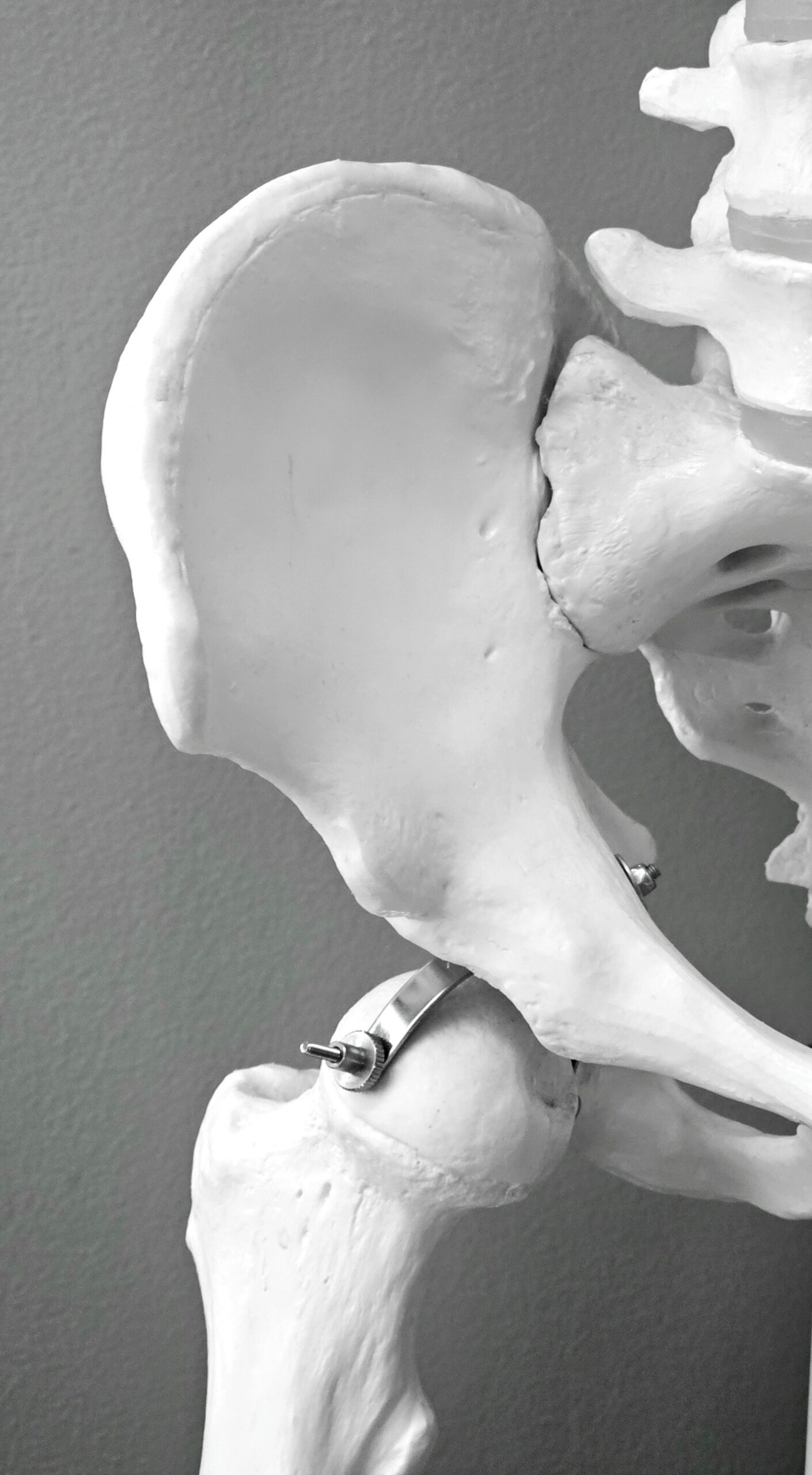
Orthopedic trauma surgery is the primary domain of bone implant instruments. Fractures of the femur, tibia, humerus, radius, ulna, clavicle, pelvis, and small bones of the hand and foot all require dedicated instrument sets for open reduction and internal fixation (ORIF). Key instruments include plate benders, drill guides, depth gauges, screwdrivers, K-wire drivers, bone reduction clamps, and mallets — all working together to achieve anatomic fracture reduction and stable mechanical fixation.
Joint Replacement Surgery
Total hip, knee, shoulder, and ankle replacement procedures use the most complex and comprehensive bone implant instrument sets in all of surgery. Each joint replacement system has its own dedicated instrument set — typically 50 to 150 instruments in a single system — that includes trial implants, bone resection guides, cutting blocks, reamers, rasps, impactors, and extraction tools. The precision of these instruments directly determines implant alignment, which is the single most important factor in long-term joint replacement success.
Spinal Surgery
Spinal instrumentation involves implanting pedicle screws, rods, cages, and plates into the vertebrae to correct deformity, stabilize fractures, or fuse motion segments. Spinal bone implant instruments include pedicle awls, probes, taps, screwdrivers, rod holders, rod benders, and reduction instruments — all designed for the confined working space of the posterior spine and the high mechanical demands of spinal fixation systems.
Dental Implant Surgery

Dental implant surgery uses a dedicated set of precision instruments to prepare the alveolar bone of the jaw for titanium implant fixture placement. The instruments must create implant sites of exact diameter and depth — typically to within 0.1 mm tolerance — and must handle the compact cortical bone of the jaw without overheating or fracturing the bone. Key dental implant instruments include sequential drill sets, implant carriers, torque wrenches, bone condensers, osteotomes for site expansion, and bone mills for graft preparation.
Veterinary Orthopedic Surgery
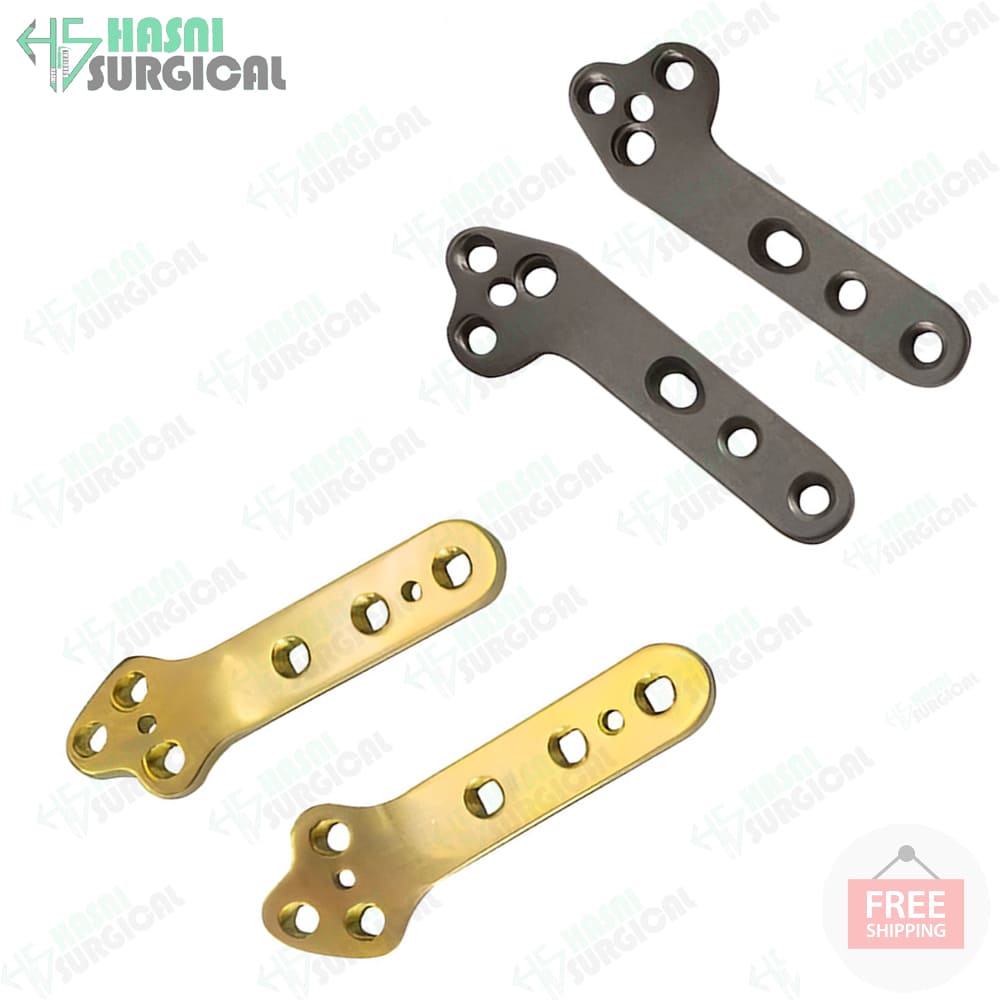
Veterinary orthopedic surgery uses the same fundamental principles as human bone implant surgery — fracture fixation, joint replacement, and bone grafting — but with instruments adapted for the anatomical diversity of different animal species. Locking plate systems, TPLO (tibial plateau leveling osteotomy) instruments, and intramedullary pin systems all require dedicated, matched instrument sets. The diversity of bone sizes across species — from small animal (cats and small dogs) to large animal (horses and cattle) — means veterinary implant instrument sets must cover a much wider range of dimensions than human surgical systems.
The Bone Mill and Crusher: A Key Bone Grafting Instrument
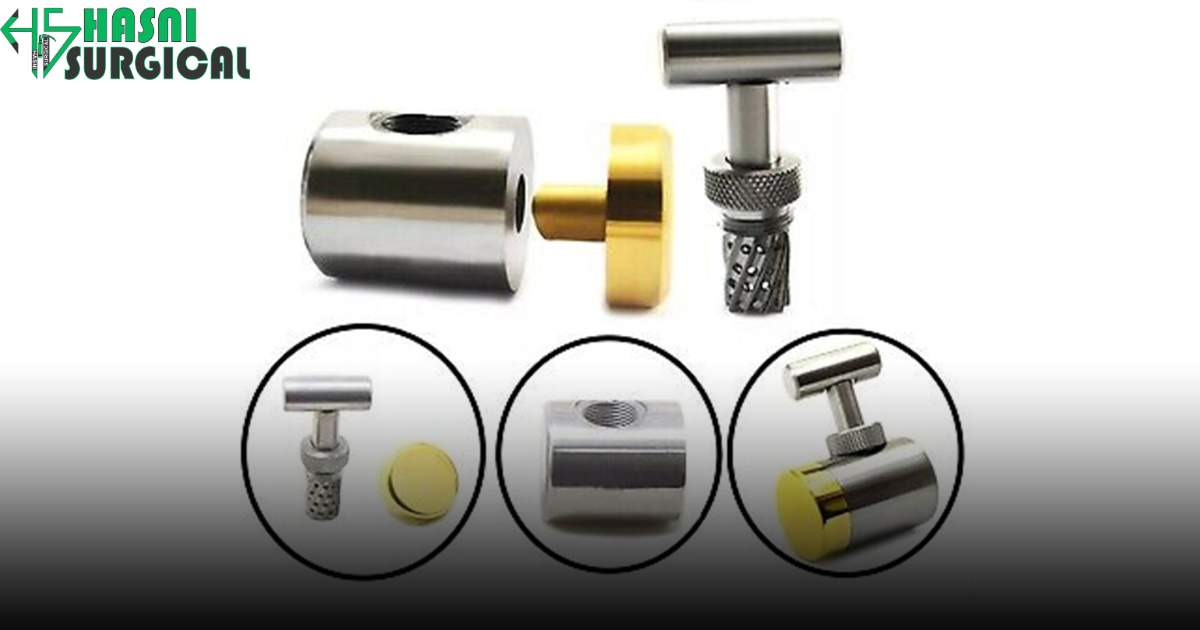
The bone mill — also called a bone crusher or morselizer — deserves special attention as one of the most clinically important bone grafting instruments. When autograft bone is harvested from a donor site (such as the iliac crest, skull, or chin) and used to augment a deficient implant site, the graft must be processed into particles of the optimal size for new bone formation.
Research shows that bone graft particle size significantly affects the rate of revascularization and new bone formation. Too large and blood vessels cannot penetrate the graft; too small and the particles are resorbed before new bone can form. The bone mill creates reproducible, uniform particles of the correct size — typically 0.25 to 1 mm for dental applications and larger for orthopedic uses.
The Hasni Surgical Bone Crush Mill X1 is designed for:
- Orthopedic and trauma surgery requiring autograft bone morsellation
- Dental implant surgery — socket preservation, sinus lifting, ridge augmentation
- Oral and maxillofacial reconstruction procedures
- Spinal fusion surgery requiring graft preparation
It is fully CE and ISO certified, autoclavable, and manufactured from premium surgical-grade stainless steel for long-term clinical reliability.
Implant Surgery Osteotome Kits: Precision Bone Site Preparation

Osteotomes are among the most versatile bone implant instruments in any surgical set. These chisel-like instruments are used with a mallet to compress bone, create space for implants, and prepare bone surfaces without the heat generated by rotary drills. In dental implant surgery, osteotomes are particularly valuable for expanding narrow ridges, elevating the sinus floor (sinus lift procedure), and creating implant osteotomies in soft bone where drilling would remove rather than compress the bone.
Complete osteotome kits available from Hasni Surgical include multiple diameters from 2 mm to 6 mm, a dedicated mallet, and a cassette rack for organised sterile storage — providing a complete instrument solution for implant site preparation in a single autoclavable kit.
Mallet Instruments: Controlled Force for Bone Implant Insertion
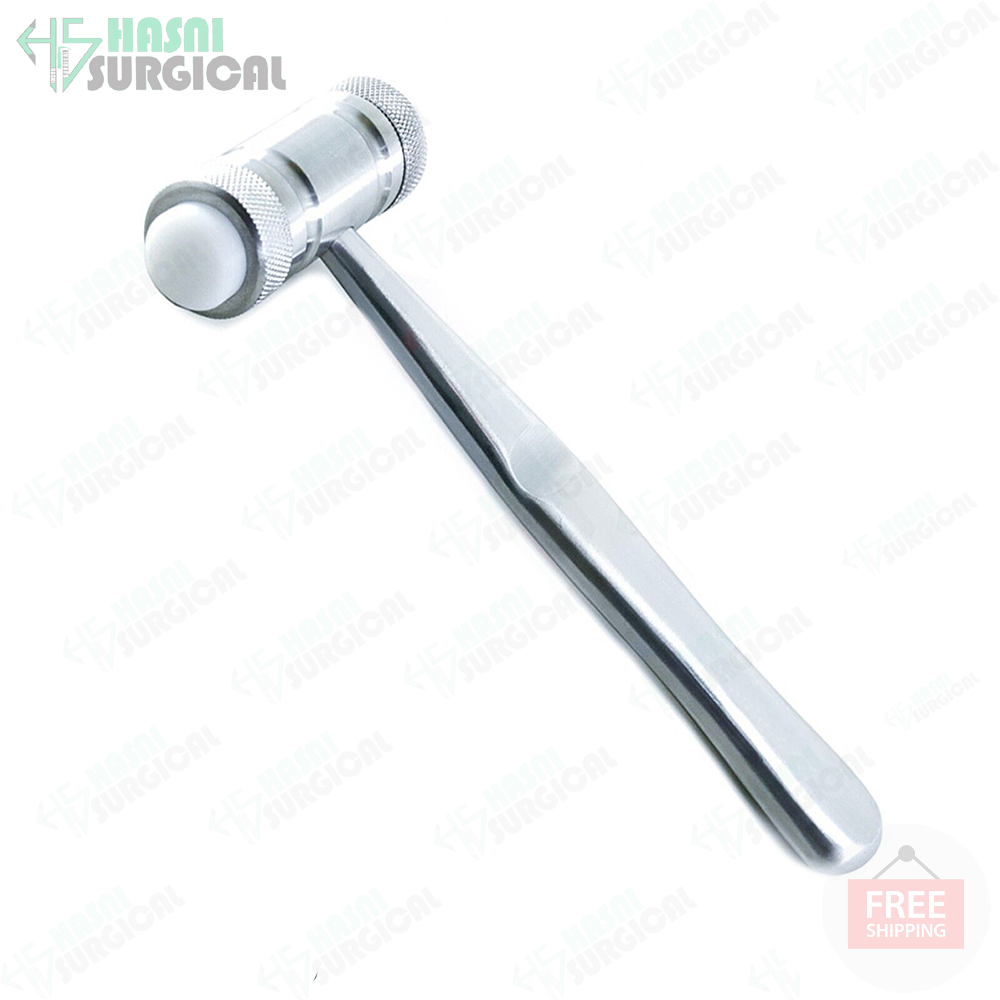
Surgical mallets are purpose-designed hammers used to drive osteotomes, chisels, impactors, and press-fit implants with controlled, calibrated force. Unlike standard hammers, surgical mallets have specific weight, handle geometry, and striking surface characteristics optimised for clinical use.
Key features of a professional surgical mallet include:
- Controlled weight: Typically 140–300 g for dental use, heavier for orthopedic applications — specific weight enables reproducible, controlled impact force
- Non-rebound head: Lead-shot or nylon-filled heads absorb rebound energy, giving the surgeon precise control over impact depth
- Ergonomic handle: Designed for a secure, balanced grip in gloved hands with a textured finish to prevent slipping during impact
- Stainless steel construction: Fully autoclavable with excellent durability through years of clinical use
Comparison: Bone Implant Instrument Systems
| Instrument Type | Primary Use | Key Specification | Critical Quality Requirement |
|---|---|---|---|
| Surgical drill bits | Creating implant pilot holes in bone | Diameter tolerance ±0.05 mm | Edge retention through 100+ uses |
| Depth gauge | Measuring drilled hole depth | Calibration accuracy ±0.5 mm | Consistent calibration; no drift |
| Bone mill / crusher | Processing bone graft to particle size | Particle size 0.25–2 mm | CE/ISO certified; autoclavable |
| Osteotomes | Bone splitting, site expansion, sinus lift | Diameters 2–6 mm | Sharp edge retention; precise geometry |
| Screwdrivers | Implant screw insertion and tightening | Drive geometry match to screw | No cam-out; torque transmission |
| Surgical mallet | Driving osteotomes and impactors | Weight 140–300 g | Non-rebound; balanced weight |
| Reduction clamps | Holding fracture fragments in position | Jaw width 5–25 mm | Secure grip; smooth mechanism |
| Plate bender pair | Contouring fixation plates to bone | Compatible with 2.4–4.5 mm plates | Matched pair; no plate kinking |
Material Standards for Bone Implant Instruments
The material specification of bone implant instruments is critical to both clinical performance and patient safety. Premium bone implant instruments are manufactured from:
- Surgical grade 316L stainless steel: The gold standard for reusable surgical instruments — high chromium content (≥16%) for excellent corrosion resistance, high nickel content for toughness, and low carbon for weldability. Survives 1,000+ autoclave cycles without degradation
- Hardened stainless steel (for cutting instruments): Drill bits, osteotomes, chisels, and bone saws require additional hardening treatment — typically through heat treatment or carbide coating — to maintain edge sharpness through hard cortical bone preparation
- Titanium (for some instruments): Occasionally used for instruments in MRI-compatible surgical systems where standard steel creates image artifacts. Lighter than steel but with lower wear resistance
All Hasni Surgical bone implant instruments are manufactured from premium surgical-grade stainless steel, certified to ISO 13485 quality management standards, and tested for dimensional accuracy, corrosion resistance, and mechanical performance before dispatch.
Sterilization and Maintenance of Bone Implant Instruments
Bone implant instruments require rigorous decontamination and sterilization because they are used directly in bone — a sterile tissue. Any contamination introduced by inadequately sterilized instruments can cause deep bone infection (osteomyelitis), implant failure, and the need for implant removal surgery. Follow these evidence-based protocols:
- Point-of-use decontamination: Immediately after use, wipe all instruments to remove blood and bone debris. Never allow bone graft material or blood to dry on instrument surfaces — dried material is extremely difficult to remove and creates a biofilm risk
- Enzymatic pre-soak: Soak in a pH-neutral enzymatic cleaner for 10–20 minutes. Enzymatic cleaners break down proteinaceous debris from bone and soft tissue that mechanical cleaning alone cannot remove
- Ultrasonic cleaning: Essential for bone implant instruments with fine threads, small lumens, and complex geometries. Ultrasonic energy removes debris from all surfaces including internal channels in cannulated instruments and thread recesses in drill guides
- Inspection under magnification: Examine cutting edges of drill bits, chisels, and osteotomes under magnification for wear, damage, or dimensional change. Replace or sharpen immediately if below specification
- Lubrication: Apply water-soluble instrument lubricant to all moving joints and threaded connections before sterilization
- Steam autoclave (134°C): Steam sterilize per AAMI and WHO guidelines. For instruments with lumens (drill guides, cannulated screws), ensure steam penetration of all surfaces — use prevacuum cycle rather than gravity displacement
- Structured tray storage: Store in labeled, organized instrument trays with individual holders that maintain instrument position and prevent contact damage. Loose instrument storage causes tip damage, cutting edge dulling, and calibration loss in measurement instruments
Buyer’s Guide: Choosing Bone Implant Instruments
- ☑️ Implant system compatibility: Confirm instruments are matched to the implant system used in your practice — drill diameters, driver geometries, and jig systems must be compatible with your implants
- ☑️ Material certification: Require documented certification of stainless steel grade — 316L or equivalent surgical grade only
- ☑️ Dimensional tolerances: Critical measurement instruments (depth gauges, drill guides) should have traceable calibration documentation
- ☑️ Set completeness: Confirm all instruments needed for your surgical procedures are included — gaps in an instrument set cause dangerous improvisation during surgery
- ☑️ Tray system: Organised autoclavable trays with individual holders for each instrument — essential for count verification and preventing damage
- ☑️ Regulatory compliance: ISO 13485 manufacturer certification, CE marking, and FDA clearance where applicable
- ☑️ Supplier reputation: Established manufacturer with documented quality control, responsive technical support, and clear warranty terms
- ☑️ Replacement availability: Confirm individual instruments within the set can be replaced without purchasing a complete new set
Why Choose Hasni Surgical for Bone Implant Instruments?
Hasni Surgical is a premium surgical instrument manufacturer based in Sialkot, Pakistan — globally recognized as one of the world’s premier hubs for surgical instrument manufacturing. With a commitment to continuous progress and uncompromising quality, Hasni Surgical supplies precision bone implant instruments to hospitals, surgical centers, dental clinics, and veterinary practices in more than 50 countries worldwide.
- ✅ Premium surgical-grade stainless steel: All bone implant instruments manufactured from certified 316L or equivalent grade steel
- ✅ ISO 13485 quality management: Manufacturing quality controlled to international medical device standards
- ✅ CE and ISO certified products: Bone crushing mills, osteotome sets, and grafting kits are CE and ISO certified
- ✅ Complete instrument sets: Full cassette-based sets with organised autoclavable trays for OR workflow efficiency
- ✅ Brand new condition: Every instrument supplied brand new — no refurbished or reprocessed stock
- ✅ Ultrasonic cleaned: Instruments cleaned before packaging — ready for sterilization on arrival
- ✅ Fast worldwide shipping: Dispatched within 2 working days; delivery 10–35 days depending on destination
- ✅ Bulk order discounts: 25% discount for hospital and clinic bulk orders
- ✅ 60-day money-back guarantee: Full refund if not completely satisfied
Frequently Asked Questions (FAQ)
What instruments are used in bone implant surgery?
Bone implant surgery uses a wide range of specialized instruments including surgical drills and drill bits, depth gauges, drill guides, bone mills and crushers for graft processing, osteotomes for bone expansion, mallets for impaction, screwdrivers matched to implant screw drives, reduction clamps for fracture alignment, plate benders for implant contouring, and implant holders and carriers for sterile implant placement. The exact instruments needed depend on the specific procedure and implant system being used.
What is a bone morselizer used for?
A bone morselizer (also called a bone mill or bone crusher) is used to process harvested autograft bone into uniform particles of the optimal size for bone grafting procedures. Particle size directly affects the rate of graft vascularization and new bone formation — making consistent particle sizing critical for graft success. Bone morselizers are used in dental implant augmentation, orthopedic bone grafting, and spinal fusion surgery.
What is the difference between an osteotome and a chisel?
Both osteotomes and chisels are used to cut or split bone with a mallet. The key difference is the blade geometry — a chisel has a bevelled edge on one side only, while an osteotome is bevelled on both sides, creating a symmetrical cutting edge. Osteotomes are preferred in implant surgery because the double-bevel geometry allows them to compress bone laterally as they advance, rather than simply cutting through it — this bone compression improves bone density at the implant site and is particularly valuable in soft (low-density) bone.
How should bone implant instruments be sterilized?
Bone implant instruments should be sterilized using steam autoclave at 134°C, following the complete decontamination protocol: point-of-use cleaning → enzymatic pre-soak (10–20 min) → ultrasonic cleaning → inspection under magnification → lubrication of moving parts → steam autoclave (prevacuum cycle preferred for instruments with lumens) → complete dry cycle → storage in labelled instrument tray. Never use cold chemical sterilization as the primary sterilization method for bone implant instruments in routine use.
What material are surgical bone implant instruments made from?
Premium bone implant instruments are manufactured from surgical-grade 316L stainless steel — a chromium-nickel alloy with excellent corrosion resistance, high mechanical strength, and full biocompatibility. Cutting instruments such as drill bits and osteotomes require additional hardening through heat treatment or carbide coating to maintain edge sharpness when working against hard cortical bone. All instruments should carry material certification confirming the steel grade used in manufacturing.
Does Hasni Surgical offer bone implant instruments with worldwide shipping?
Yes. Hasni Surgical offers a comprehensive range of bone implant instruments — including bone mill and crusher sets, complete osteotome kits with cassette racks, surgical mallets, dental implant instrument sets, and veterinary orthopedic implant instruments — all available with worldwide shipping from Sialkot, Pakistan. Orders are dispatched within 2 working days, with bulk discounts available for hospitals, clinics, and distributors.
Conclusion
Bone implant instruments are among the most technically demanding and clinically critical tools in all of surgery. Their precision, material quality, and correct use directly determine whether a bone implant procedure succeeds or fails — whether a patient heals and regains function, or requires revision surgery with all its associated risks and costs.
From bone mills that process graft material to the exact particle size needed for optimal osseointegration, to osteotome sets that prepare implant sites with controlled bone compression, to precision drill guides that ensure every screw enters bone at exactly the right angle and depth — every instrument in the bone implant surgery set plays a role that cannot be improvised or substituted without clinical consequence.
Investing in high-quality, certified bone implant instruments from a trusted manufacturer is one of the most important decisions an orthopedic department, dental implant clinic, or surgical center can make. Explore Hasni Surgical’s complete range of bone implant instruments — certified quality, worldwide shipping, and dedicated surgical instrument expertise from Sialkot, Pakistan.
