
Hand Surgery Instruments: The Complete Guide to the Basic Hand Set
June 22, 2026 2026-06-22 9:47Hand Surgery Instruments: The Complete Guide to the Basic Hand Set
 hasni
hasni 
Hand Surgery Instruments: The Complete Guide to the Basic Hand Set
The human hand is one of the most complex and delicate structures in the body — home to 27 bones, dozens of tendons, and a network of critical nerves and blood vessels packed into a remarkably small space. Performing surgery on it demands extraordinary precision. And precision starts with the right tools.
Hand surgery instruments are specialized surgical tools designed for the unique anatomical demands of hand and wrist procedures. Unlike general-purpose surgical sets, a dedicated hand surgery instrument set is engineered for fine motor control, minimal tissue trauma, and access to tight anatomical spaces where standard instruments simply cannot go.
“In hand surgery, the instrument is an extension of the surgeon’s fingers. Imprecise tools don’t just slow the procedure — they compromise the outcome.”
The Basic Hand Set is the foundational instrument collection for hand surgery departments. It covers everything needed for incisions, tissue retraction, dissection, tendon repair, bone work, and wound closure — giving the surgical team a reliable foundation for a wide range of hand and wrist conditions.
Why Every Operating Room Needs a Dedicated Basic Hand Set
Many hospitals attempt to perform hand surgery using general surgery instrument sets. While this may seem cost-effective in the short term, the clinical consequences can be significant. General instruments are too large, too blunt, or simply not designed for the micro-environments encountered in hand and wrist surgery.
A dedicated hand surgery instrument set solves these problems by providing a curated collection of purpose-built tools. Here’s why procurement teams and surgical department heads prioritize getting it right:
- Reduced operative time: Surgeons spend less time compensating for inadequate instruments, shortening anesthesia exposure for the patient.
- Better tissue preservation: Finely calibrated retractors and dissectors minimize collateral damage to nerves, tendons, and blood vessels.
- Fewer complications: The right tool for the right task dramatically lowers the risk of accidental injury to delicate hand structures.
- Standardized workflows: A consistent, pre-configured set streamlines scrub tech preparation and reduces setup errors.
- Long-term cost savings: High-quality instruments outlast inferior alternatives by years, reducing total cost of ownership.
Core Components of the Basic Hand Set
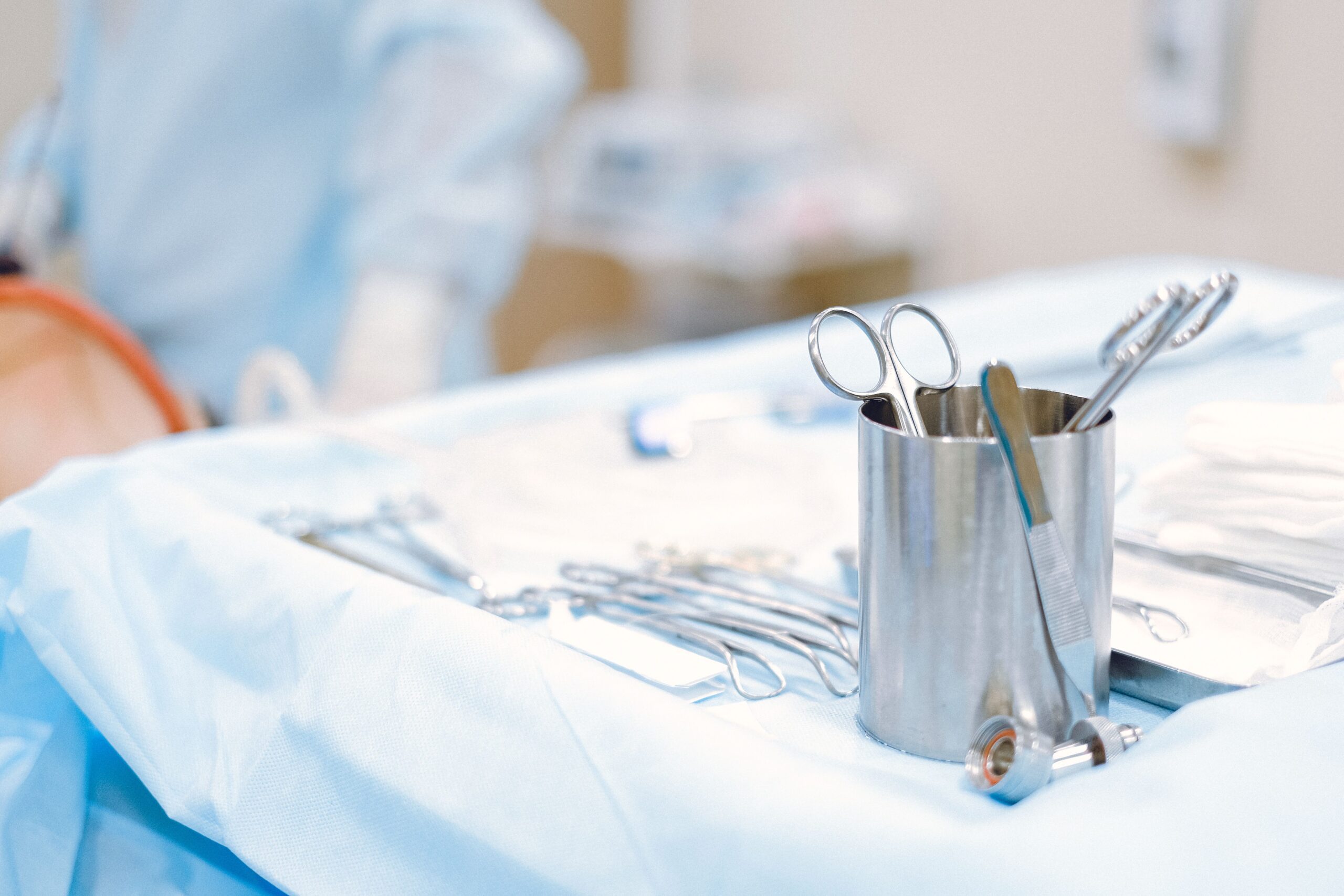
The NewMed Basic Hand Surgery Instruments Set is holistic by design. It provides hand surgical experts with the equipment needed for precise incisions, tissue handling, dissection, and much more. Let’s walk through each major category:
1. Scalpel Handles and Blades
The foundation of any surgical incision. A hand surgery set typically includes size 3 and size 7 handles, which accept the fine #15 and #10 blades most commonly used in hand procedures. The ergonomic grip allows for controlled, precise incisions even in the narrow corridors of the hand and wrist.
2. Dissecting Scissors
Blunt and sharp dissection of subcutaneous tissue, tendon sheaths, and fascial layers. Tenotomy scissors — curved and fine-tipped — are essential for tendon work. Metzenbaum scissors provide the ideal blend of reach and precision for deeper dissection tasks.
3. Tissue Forceps
Adson forceps (with or without teeth), Bayonet forceps, and DeBakey forceps provide atraumatic tissue handling with varying grip intensities suited to different anatomical structures of the hand. These allow the surgeon to hold, stabilize, and manipulate tissue without causing unnecessary trauma.
4. Skin Hooks and Retractors
Single and double-prong skin hooks retract delicate skin flaps without crushing. Army-Navy and Senn retractors provide deeper wound exposure during tendon and bone procedures. These are essential for maintaining a clear, well-illuminated operative field.
5. Clamps and Hemostats
Mosquito clamps — curved and straight — provide hemostasis in tight anatomical spaces. Bulldog clamps temporarily occlude digital vessels during microsurgical steps. Kocher clamps offer firm tissue grasping for bone fragments and fascial bands.
6. Needle Holders
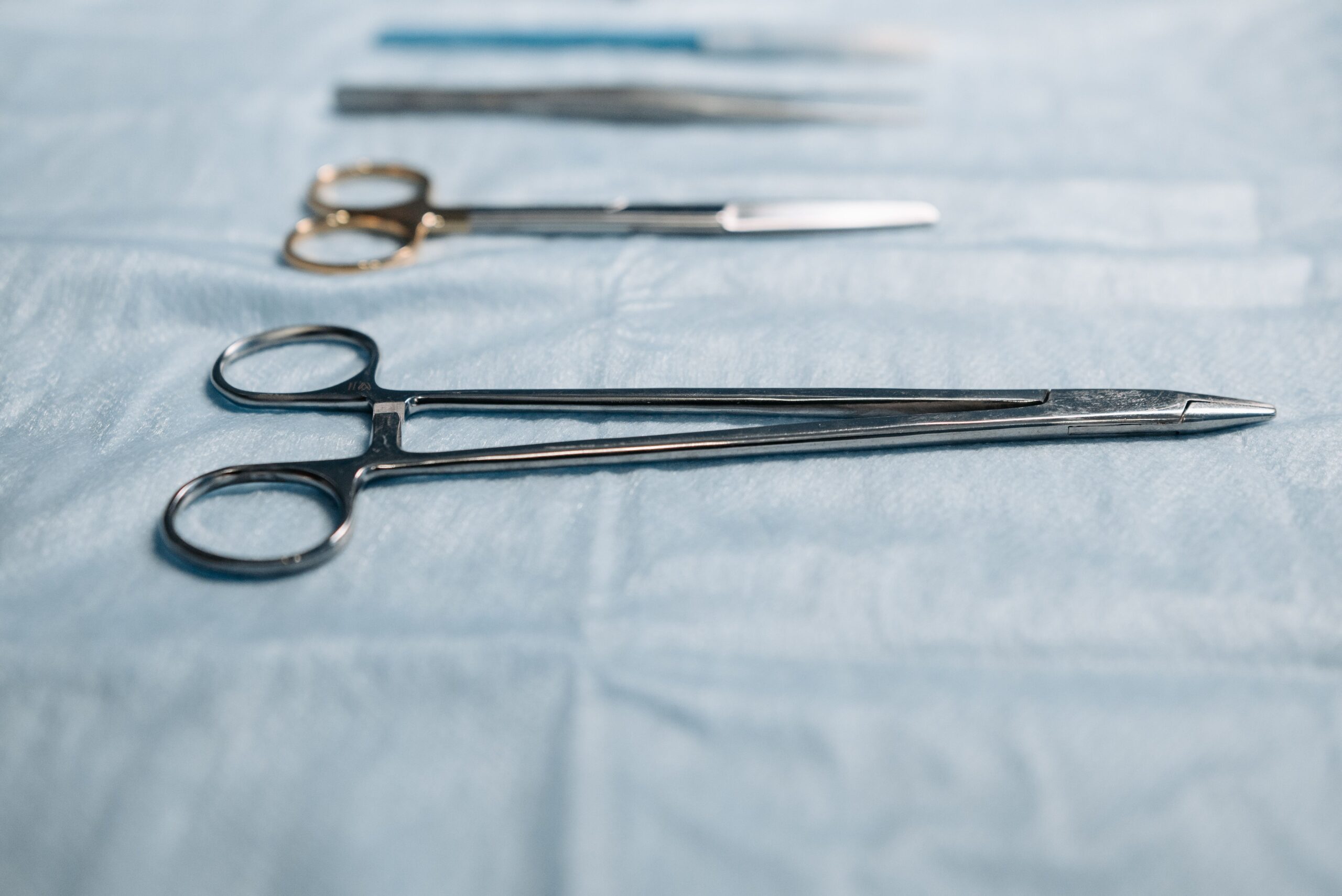
Castroviejo and Halsey needle holders offer precision suture placement for skin closure, tendon repair, and nerve coaptation. Fine-tip designs allow accurate needle passage even in confined wound spaces — critical for achieving watertight closures and restoring tendon gliding function.
7. Bone Instruments
Small periosteal elevators, Freer elevators, bone rasps, and rongeurs are included for fracture management, osteotomy, and carpal bone procedures. These instruments are sized specifically for the delicate bones of the hand and wrist — a critical distinction from general orthopedic sets.
8. Specialized Hand-Specific Instruments
- Tendon passers and retrievers — critical for flexor and extensor tendon repair
- Freer elevators — versatile dissectors for carpal tunnel release and Dupuytren’s contracture surgery
- Probe and groove director — guides incisions safely along tendon sheaths
- Suture scissors — fine-tipped scissors for suture cutting without adjacent tissue trauma
Material Matters: The Case for German Stainless Steel
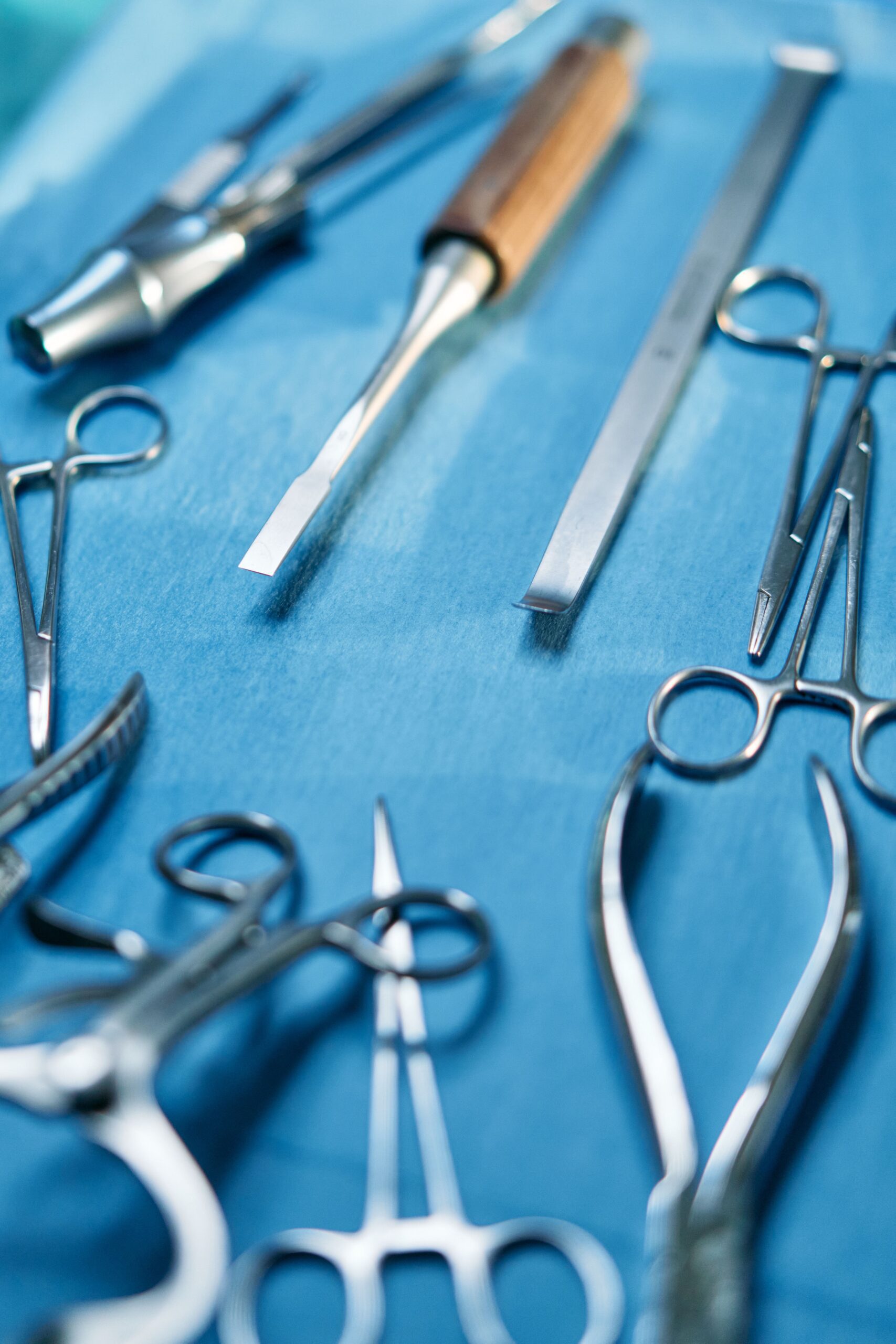
When evaluating any hand surgery instrument set, the material specification is arguably the most critical factor. NewMed Instruments constructs its hand surgery sets from premium German stainless steel — the globally recognized benchmark for surgical-grade instrument manufacturing.
What Makes German Stainless Steel Superior?
| Property | German Stainless Steel | Standard Steel |
|---|---|---|
| Chromium content | ≥16% (surgical grade 316L) | Often 10–13% |
| Corrosion resistance | Excellent — survives 1,000+ autoclave cycles | Moderate — may pit or rust after repeated cycles |
| Edge retention | High — scissors and blades stay sharp longer | Lower — requires more frequent sharpening |
| Surface finish | Mirror or satin finish; easy to inspect and clean | Rougher surfaces that can harbor biofilm |
| Biocompatibility | Non-reactive, nickel-balanced, ISO 10993 compliant | May leach trace metals with wear |
| Instrument lifespan | 10–15+ years with proper care | 3–7 years typical |
For high-volume hand surgery departments, investing in German stainless steel instruments delivers a lower lifetime cost-per-use while maintaining consistent surgical performance. The initial premium pays for itself within 18–24 months of routine use.
Common Procedures Performed With the Basic Hand Set
The basic hand surgery instrument set is not limited to a single category of procedure. Its curated selection of tools makes it suitable across the full spectrum of elective and emergency hand surgery:
Carpal Tunnel Release
One of the most performed hand procedures worldwide, carpal tunnel release requires a scalpel and fine blade, a Freer elevator to protect the median nerve, and a probe to guide safe transection of the transverse carpal ligament. Skin hooks and a small retractor maintain wound exposure throughout.
Tendon Repair (Flexor and Extensor)
Tendon injuries demand meticulous technique. The set’s tendon passers, fine-tipped scissors, needle holders, and atraumatic forceps work together to retrieve, approximate, and securely repair lacerated tendons — with suture placement precise enough to restore near-normal gliding mechanics.
Dupuytren’s Contracture Surgery
Fasciotomy and fasciectomy procedures for Dupuytren’s require careful dissection through dense fibrous bands while protecting neurovascular bundles. Skin hooks, Freer elevators, and fine Metzenbaum scissors are especially critical here.
Trigger Finger Release
A delicate outpatient procedure that uses a scalpel, small retractors, and a probe to divide the A1 pulley — releasing the flexor tendon from its constriction. Precision is essential to avoid injury to the digital neurovascular bundles on either side.
Other Common Applications
- Digital fracture fixation (phalanges and metacarpals)
- Ganglion cyst excision
- De Quervain’s tenosynovitis release
- Digital nerve repair
- Skin grafting for hand burn reconstruction
- Syndactyly separation surgery
- Mucous cyst removal
Sterilization and Maintenance: Protecting Your Investment
Premium hand surgery instruments represent a significant investment. With correct maintenance protocols, German stainless steel instruments can serve reliably for well over a decade. Here is the step-by-step framework used in best-practice OR departments:
- Point-of-use decontamination: Immediately after use, wipe instruments with a moist sponge to remove blood and protein debris before it dries. Soak in enzymatic pre-cleaner solution for 10–15 minutes.
- Ultrasonic cleaning: Place instruments in an ultrasonic cleaner with pH-neutral enzymatic detergent for 10–15 minutes. This removes debris from joints, serrations, and box locks that manual cleaning cannot reach.
- Manual inspection and rinse: Inspect each instrument for damage, stiffness, or corrosion. Rinse thoroughly with deionized or distilled water to prevent mineral spotting.
- Lubrication: Apply instrument milk or water-soluble surgical lubricant to all hinged joints and box locks before autoclaving to prevent stiffness and corrosion during steam sterilization.
- Steam autoclave (134°C / 273°F): Wrap in approved pouches or trays and steam sterilize per AAMI and WHO guidelines. Allow a complete dry cycle before removing.
- Correct storage: Inspect packaging integrity after autoclaving. Store in a dry, protected instrument tray or rack. Never stack instruments loosely — tips and jaws sustain damage easily.
⚠️ Important: Never use saline or chloride-rich solutions for soaking surgical instruments. Chloride ions aggressively attack the passive oxide layer on stainless steel, causing irreversible pitting corrosion. Always use enzymatic or pH-neutral cleaners only.
Buyer’s Guide: What to Look For When Purchasing a Hand Surgery Set
Purchasing a hand surgery instrument set is a significant decision for any hospital, surgical center, or procurement department. Use this checklist when evaluating your options:
- ✅ Material certification: Confirm 316L or equivalent German surgical stainless steel with a certificate of conformance
- ✅ Surface finish: Satin or mirror finish stated — rough surfaces indicate lower-grade manufacturing
- ✅ Autoclave compatibility: Instruments should withstand a minimum of 500 steam sterilization cycles without degradation
- ✅ Ergonomic design: Handles should provide secure, comfortable grip when wearing surgical gloves
- ✅ Set completeness: Confirm inclusion of scalpel handles, scissors, forceps (toothed and atraumatic), retractors, clamps, and needle holders at minimum
- ✅ Supplier certification: Look for ISO 13485, CE marking, and FDA 510(k) clearance where applicable
- ✅ Warranty and support: Reputable companies offer instrument repair and replacement policies
- ✅ Global shipping capability: Confirm experience with international customs documentation and reliable logistics
Why NewMed Instruments Stands Out
NewMed Instruments has established itself as a trusted global supplier of surgical instruments. Its Basic Hand Surgery Instruments Set is crafted from premium German stainless steel for exceptional strength and reliability, offered at competitive prices, and available with fast worldwide shipping — making it an excellent choice for both large hospital systems and smaller specialty clinics.
Frequently Asked Questions (FAQ)
What instruments are included in a basic hand surgery set?
A comprehensive basic hand surgery set typically includes scalpel handles (sizes 3 and 7), dissecting scissors (straight and curved, including tenotomy scissors), tissue forceps (Adson, DeBakey, and fine-tipped variants), skin hooks, wound retractors (Senn and Army-Navy), mosquito hemostats, periosteal and Freer elevators, needle holders (Castroviejo or Halsey), suture scissors, and a bone rasp or file.
What is the difference between hand surgery and general surgery instruments?
Hand surgery instruments are finer, lighter, and more precisely calibrated than general surgical instruments. Scissors have smaller, finer tips; forceps feature delicate serrations for atraumatic tissue handling; and retractors are sized for the narrow skin incisions typical of hand procedures. Using general instruments for hand surgery risks inadequate exposure, tissue trauma, and difficulty accessing neurovascular structures.
How many times can surgical instruments be autoclaved before replacement?
High-quality German stainless steel surgical instruments can typically withstand 500 to 1,000+ autoclave cycles when properly maintained. Instruments should be inspected after each sterilization cycle for signs of corrosion, pitting, stiffness, or damage to cutting edges.
Can I use hand surgery instruments for wrist surgery?
Yes. The basic hand surgery instrument set is designed for procedures involving both the hand and wrist. Common wrist procedures — including carpal tunnel release, scaphoid fracture fixation, TFCC repair, and ganglion cyst excision — rely on the same core instrument set used for hand surgery.
How should surgical instruments be stored when not in use?
Store instruments in a clean, dry environment in a labeled tray, case, or rack that prevents contact between instruments. Avoid stacking instruments loosely — this causes tip and jaw damage. Instruments should remain wrapped in sterile packaging until point of use, and packaging should be inspected periodically for integrity.
Is it safe to buy surgical instruments from international suppliers?
Yes — provided you purchase from established, certified manufacturers. Look for ISO 13485 certification, CE marking or FDA registration, and documented material certifications. Reputable companies like NewMed Instruments provide full product documentation, clear material specifications, and professional worldwide shipping.
What is the typical cost of a basic hand surgery instrument set?
Premium German stainless steel sets with 20–30 instruments from quality-certified manufacturers typically range from $500–$1,500 USD per set. Given the extended lifespan of premium instruments — often 10+ years — the cost-per-use of higher-quality sets is significantly lower over time. Many suppliers offer volume discounts for hospital procurement teams.
Conclusion
Hand surgery is among the most technically demanding subspecialties in surgical medicine. Outcomes — a patient’s ability to work, create, and perform everyday tasks — depend not only on surgical skill but on the quality of instruments that skill is exercised with.
The Basic Hand Surgery Instrument Set from NewMed Instruments represents a thoughtfully engineered solution to a genuine clinical need. Built from premium German stainless steel, designed for the unique anatomical challenges of hand and wrist surgery, and backed by competitive pricing with global shipping, it provides surgical teams with a reliable foundation for a broad range of procedures.
Whether you are equipping a new hand surgery department, replacing aging instruments, or standardizing your instrument inventory across multiple operating theaters, investing in the right basic hand set is a decision that pays dividends in surgical performance, patient safety, and long-term cost efficiency.
