
Introduction to Thoracic Surgical Instruments: 5 Important Tools for Thoracic Procedures
September 25, 2025 2025-10-11 4:22Introduction to Thoracic Surgical Instruments: 5 Important Tools for Thoracic Procedures
 hasni
hasni 
Introduction to Thoracic Surgical Instruments: 5 Important Tools for Thoracic Procedures
Thoracic surgery is arguably the most complex field of medicine. It’s responsible for lung, heart, esophagus, mediastinum, and chest wall operations. Because of the delicate anatomy and critical functions of the thoracic cavity, thoracic procedures must be performed with utmost care, skill, and — most importantly — the proper set of Thoracic Surgical Instruments.
Here, we will walk you through the most important tools thoracic surgeons employ, explaining how they are made, how they work, and how they are used in standard procedures. If you are a surgeon, a medical student, or a medical enthusiast who is curious about the equipment that saves lives, this article will provide you with a brief summary of the basics.
Why Thoracic Surgery Instruments Are Specialized
General surgery differs from thoracic operations in that they require instruments able to:
- Operate deep chest cavities.
- Spread the ribs and reach vital organs without injury.
- Control bleeding from large vessels.
- Enable suturing with delicate touch within limited spaces.
- Enable lung resections, biopsies, and chest drainage.
Due to these complexities, thoracic surgical kits blend heavy-duty cutting and retracting instruments with delicate grasping and dissecting ones.
Types of Thoracic Surgery Instruments
There are five categories of thoracic instruments that cover the basic categories:
Access and Retraction Tools – to open and keep the chest cavity open.
Cutting and Dissecting Instruments – to dissect tissues, cartilage, and bone.
Grasping and Holding Instruments – to hold lungs, vessels, and delicate structures.
Clamping and Occluding Instruments – to occlude blood flow and to dissect tissues.
Suturing and Stapling Instruments – to suture and staple closed wounds and reattach tissue.
Let’s examine the most essential instruments under each category.
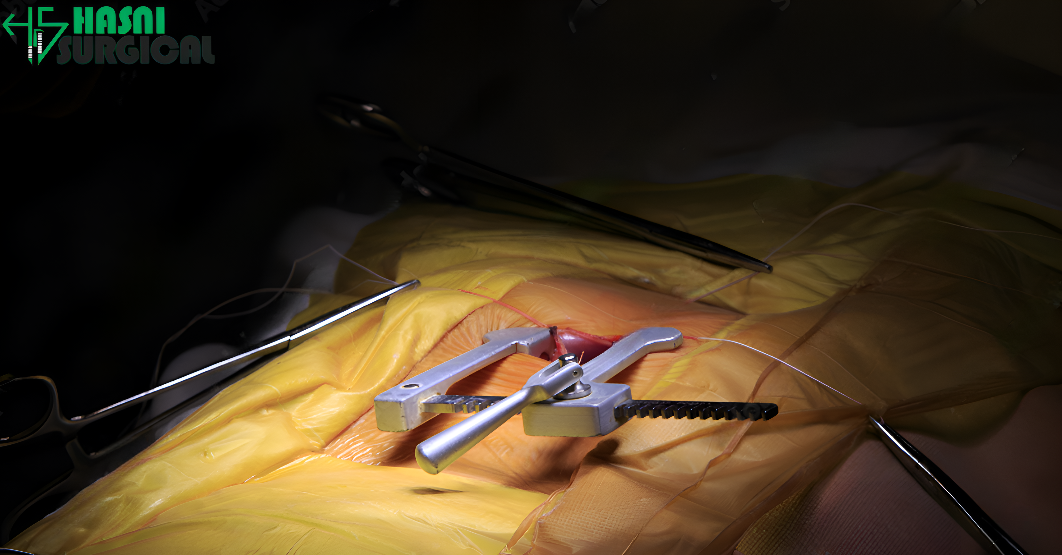
1. Retraction and Access Tools
Safe opening of the chest is the first procedure of thoracic surgery. Retractors are particularly used to spread ribs and provide exposure for surgery.
Rib Spreaders
- Finochietto Rib Spreader: The icon of thoracic retractors, with arced arms and ratcheted handles to spread ribs step by step.
- Bethune Rib Spreader: A heavy-duty model for expansive exposure.
Use Case: Thoracic cavity opening in open-heart or lung surgery.
Thoracic Retractors
- Deaver Retractor: Curved, long blade for retracting chest wall tissues.
- Doyen Rib Raspatory: To strip periosteum (tissue covering bone) during rib resections.
Why They Matter: Clean retraction gives visibility while keeping trauma to ribs and intercostal muscles at a minimum.
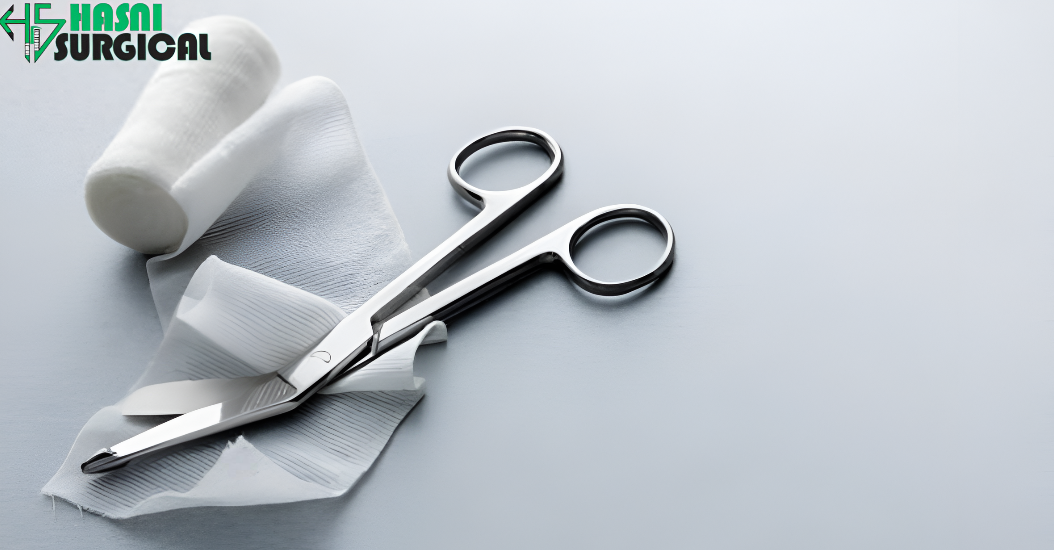
2. Cutting and Dissecting Instruments
Accurate dissection is essential in the chest, where important blood vessels and nerves are closely grouped together.
Scissors
- Metzenbaum Scissors: Delicate scissors for cutting through fine tissue.
- Mayo Scissors: Heavy scissors for cutting muscle and cartilage.
Bone-Cutting Instruments
- Lebsche Sternum Knife: For splitting the sternum during median sternotomy.
- Stille-Luer Bone Rongeur: For evacuating small bone shavings or resurfacing the edges of ribs.
- Liston Bone Cutting Forceps: Heavy forceps for resection of a rib.
Dissectors
- Pean Dissector: To dissect apart tissues and differentiate anatomical planes.
- Suction Dissectors (Yankauer, Frazier): Displace blood and fluids and help in dissection.
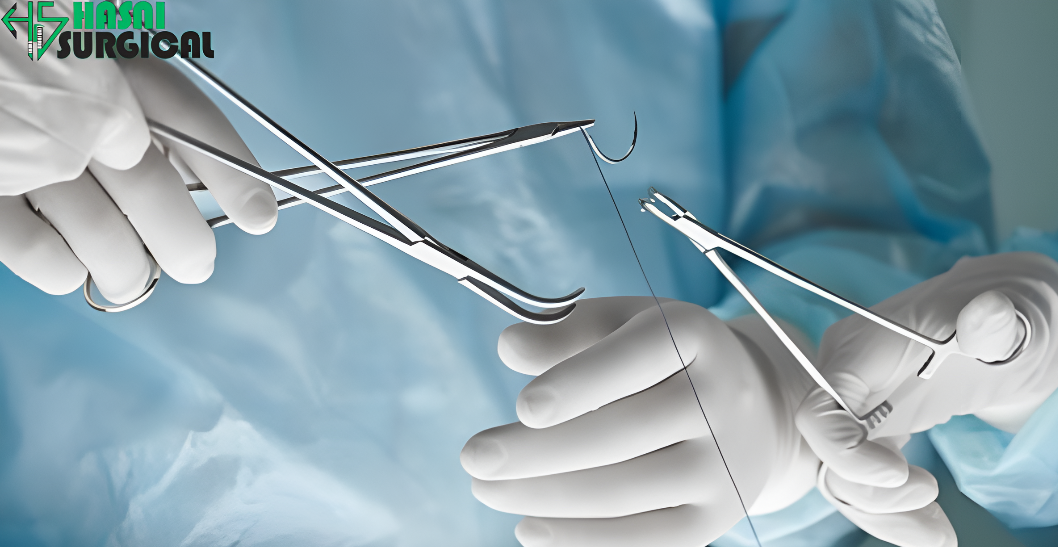
3. Grasping and Holding Instruments
Thoracic surgeons must handle lungs and fragile tissues without injury.
Forceps
- Foerster Sponge Forceps: Employed to grasp gauze for blunt dissection or lung handling.
- Duval Lung Forceps: Triangular, atraumatic tips for handling lung tissue without crushing.
- Adson Forceps: Suturing and handling of delicate tissue with fine teeth.
Needle Holders
- Mayo-Hegar Needle Holder: For suturing in deeper spaces.
- Castroviejo Needle Holder: Fine, spring-loaded holder for vascular or microsurgical sutures.
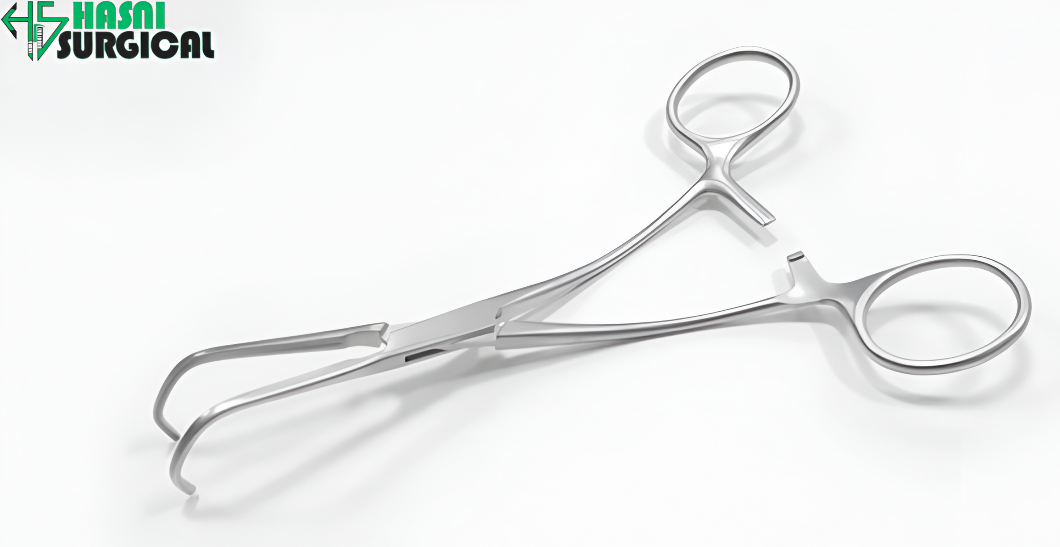
4. Clamping and Occluding Instruments
Bleeding control is one of the greatest challenges in thoracic surgery. Strong and delicate clamps alike are used to control blood vessels and isolate lobes.
Vascular Clamps
- Satinsky Clamp: Curved jaws, ideal for partial occlusion of large vessels like the vena cava.
- Cooley Clamp: Light in weight, angled for accurate vascular clamping.
- DeBakey Aortic Clamp: For large thoracic vessels.
Bronchus and Lung Clamps
- Duval Clamp: Atraumatic, employed to occlude sections of the lung.
- Bronchus Clamp: Serrated jaws for heavier clamping of airways.
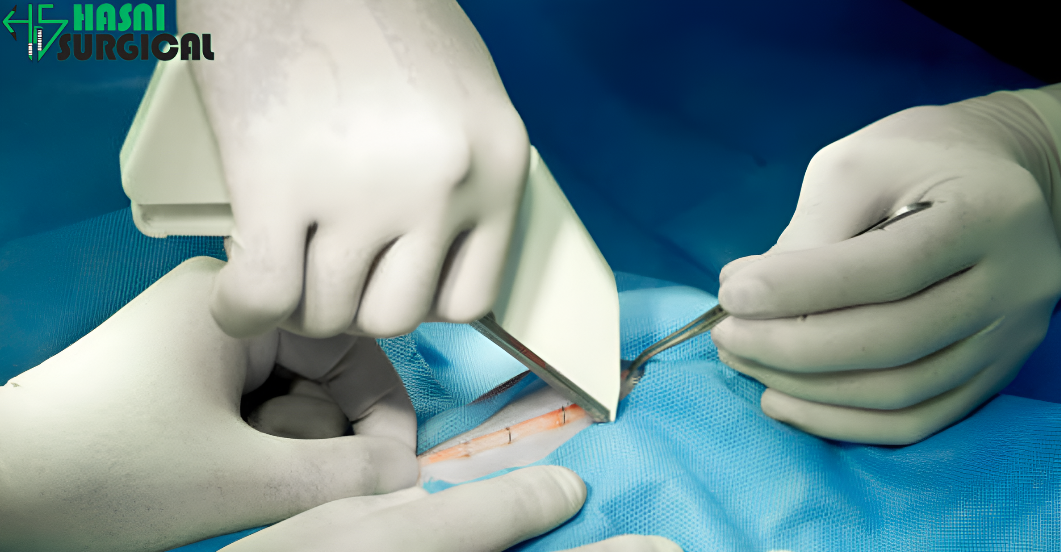
5. Suturing and Stapling Instruments
Strong, accurate instruments are needed to close thoracic incisions and reconnect tissue.
Needle Holders (as described above)
Instrument used for vascular and bronchial sutures.
Thoracic Staplers
- Linear Staplers: Close or separate lung tissue during lobectomies.
- Circular Staplers: Reconnect ends of the esophagus or intestine.
Why They’re Important: Staplers save time in the operating room and offer uniform closure, which is essential in high-risk thoracic procedures.
Support Devices for Thoracic Surgery
In addition to the main equipment, thoracic surgeons also use support devices to facilitate easy procedures:
- Chest Tube Sets: To drain air, fluid, or blood postoperatively.
- Suction Device: Keeps areas of operation clear.
- Electrocautery Units: To incise tissue and hemostasis at the same time.
- Speculums: For thoracoscopic or minimal invasive techniques.
Minimally Invasive Thoracic Surgery Instruments
Thoracoscopy (VATS – Video-Assisted Thoracic Surgery) is increasingly replacing open procedures. Instruments are for tiny incisions and camera-guided accuracy:
- Endoscopic Scissors
- Endoscopic Graspers
- Thoracoscopes (with camera and light source)
- Endoscopic Staplers
These instruments reduce recovery time, pain, and hospitalization for patients.
Key Things to Consider When Selecting Thoracic Instruments
Surgeons and hospitals when assembling or renewing thoracic surgical sets ought to seek:
- High-Grade Stainless Steel: Resistance to corrosion and sustainability with sterilization.
- Ergonomic Handle: Handles that reduce fatigue during long procedures.
- Balance of Heavy and Fine Instruments: To handle both dense bones and delicate tissues.
- Compatibility with Sterilization Methods: Autoclaves or chemical sterilization.
- Availability of Spare Parts: Particularly for intricate retractors and staplers.
Common Thoracic Operations and Essential tools
- Lobectomy (excision of lung lobe): Duval forceps, bronchus clamps, staplers, rib spreaders.
- Pneumonectomy (removal of entire lung): Staplers, heavy vascular clamps, retractors.
- Esophagectomy: Long forceps, vascular clamps, circular staplers.
- Mediastinal Tumor removal: Suction device, dissectors, fine scissors.
- Thoracotomy (opening chest wall): Finochietto spreaders, Mayo scissors, and bone cutters.
Final Thoughts
Thoracic surgery is a specialty where accuracy collides with brute force. From the rib spreaders which break open the chest to fine lung forceps and vascular clamps, every single one of them has a life-saving mission to accomplish. A masterfully prepared thoracic surgery set places all these in one streamlined, sterilized package that allows even the most complicated chest surgeries for surgeons.
To medical professionals, quality thoracic equipment is not an option — it is mandatory. They are directly responsible for surgery success, patient safety, and recovery.
Hasni Surgical: Accuracy in Thoracic Surgery Equipment
We at Hasni Surgical manufacture and supply a complete line of thoracic surgical instruments using surgical stainless steel and precision engineering. We have rib spreaders, bronchus clamps, lung forceps, staplers, and full thoracic instrument sets — designed to meet the demands of open and minimal thoracic chest surgery.
Get in touch with us today to find out more about our thoracic surgery kits or order a customized kit to suit your surgery needs.
FAQs
Q1: What is the most frequently utilized retractor in thoracic surgery?
The Finochietto Rib Spreader is the most frequently utilized instrument for thoracotomy procedures.
Q2: Why are Duval forceps significant?
They enable surgeons to grasp lung tissue without crushing or injuring it, lowering post-op complications.
Q3: Are thoracic staplers reusable?
Most contemporary staplers are single-use for ensuring sterility and accuracy, though there are reusable options.
Q4: How are general and thoracic surgical scissors different from each other?
Thoracic scissors tend to be longer and thinner and are used for deep, subtle dissection of chest tissue.
