
Thinning Scissors: Complete Guide to Surgical Thinning Scissors
June 22, 2026 2026-06-22 6:23Thinning Scissors: Complete Guide to Surgical Thinning Scissors
 hasni
hasni 
Thinning Scissors: Complete Guide to Surgical Thinning Scissors
Thinning Scissors: Complete Guide to Surgical Thinning Scissors
When precision matters most, surgeons and medical professionals rely on specialized instruments that deliver accuracy and control. Among the most important of these tools are thinning scissors — precision-engineered cutting instruments designed for surgical and medical procedures that demand the highest level of care. At Hasni Surgical, we manufacture world-class thinning scissors trusted by hospitals, clinics, and medical professionals worldwide.
In this complete guide, we explain what thinning scissors are, their types, surgical uses, key features to look for, and why Hasni Surgical is the preferred thinning scissors manufacturer for healthcare professionals globally.
What Are Thinning Scissors?
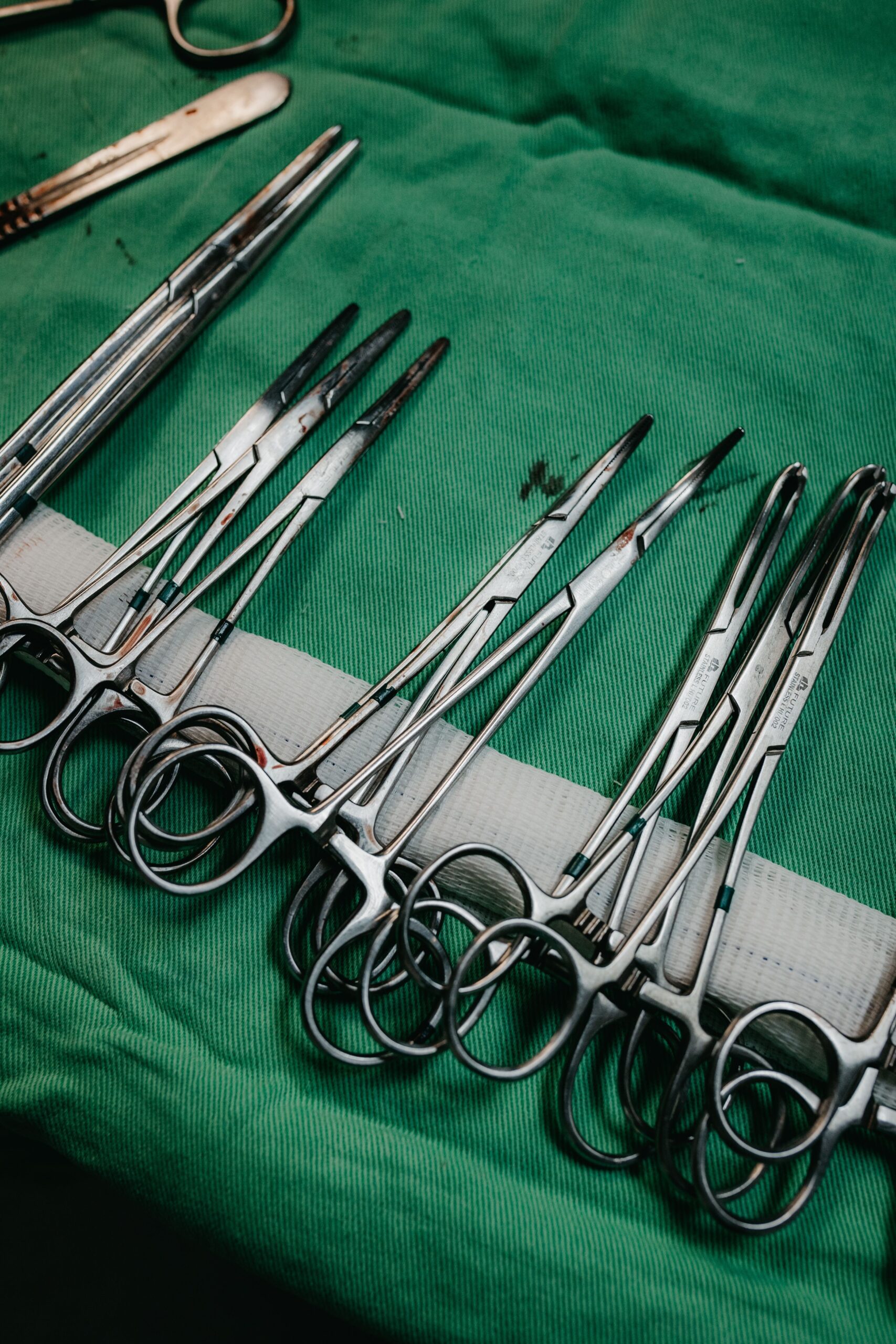
Thinning scissors are specialized cutting instruments with precision-ground blades designed to cut through tissue, sutures, hair, or dressings while creating cleaner, more refined results than standard scissors. Unlike regular scissors that make full-thickness cuts, thinning scissors are engineered to reduce bulk, minimize tissue trauma, and allow for greater control during delicate procedures.
In surgical settings, thinning scissors are used where standard scissors would be too aggressive or imprecise. Their unique blade geometry — which may include serrations, angled tips, or curved blades — allows surgeons to work with confidence in even the most demanding anatomical environments.
Types of Surgical Thinning Scissors
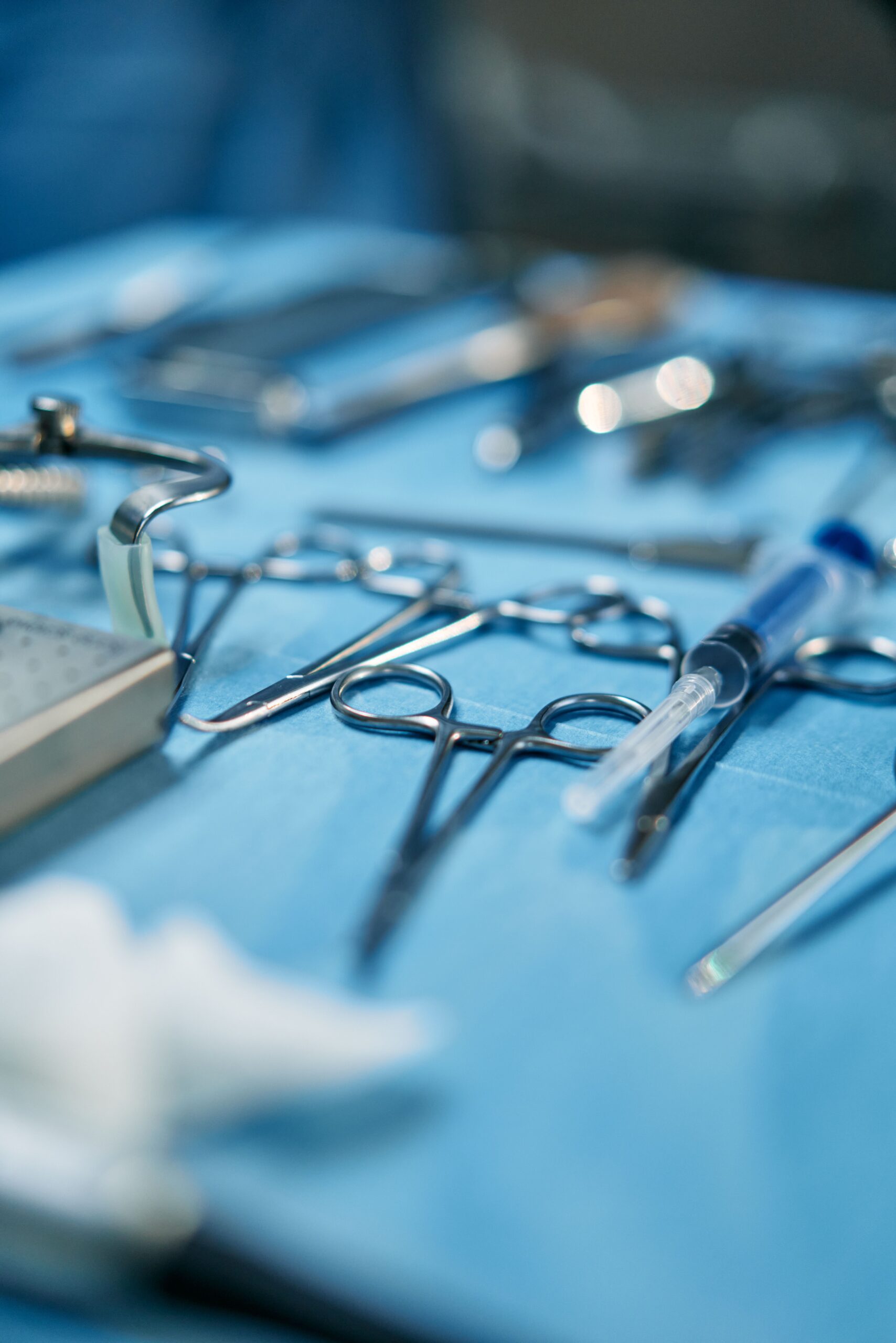
There are several types of surgical thinning scissors, each designed for specific applications:
1. Straight Blade Thinning Scissors
The most common type, featuring flat straight blades ideal for general tissue trimming, suture cutting, and dressing work. Perfect for everyday surgical and clinical use.
2. Curved Blade Thinning Scissors
Curved blades allow surgeons to access deep or confined anatomical areas. The curved design improves visibility and reduces hand fatigue during lengthy procedures. Widely used in abdominal, thoracic, and gynecological surgery.
3. Serrated Thinning Scissors
One or both blades feature fine micro-serrations that grip tissue and suture material without slipping. These are preferred when cutting fibrous, slippery, or delicate tissue where blade control is critical.
4. Angled Thinning Scissors
The blades are angled at a specific degree relative to the handles, making them ideal for working in tight spaces such as nasal passages, ear canals, and ophthalmic procedures. ENT and ophthalmic surgeons frequently use angled thinning scissors.
5. Blunt-Tipped Thinning Scissors
Safety-first design with rounded tips prevents accidental puncture. Blunt-tipped thinning scissors are commonly used in wound care, bandage removal, and suture cutting close to the skin surface.
What Are Thinning Scissors Used For? Surgical Applications
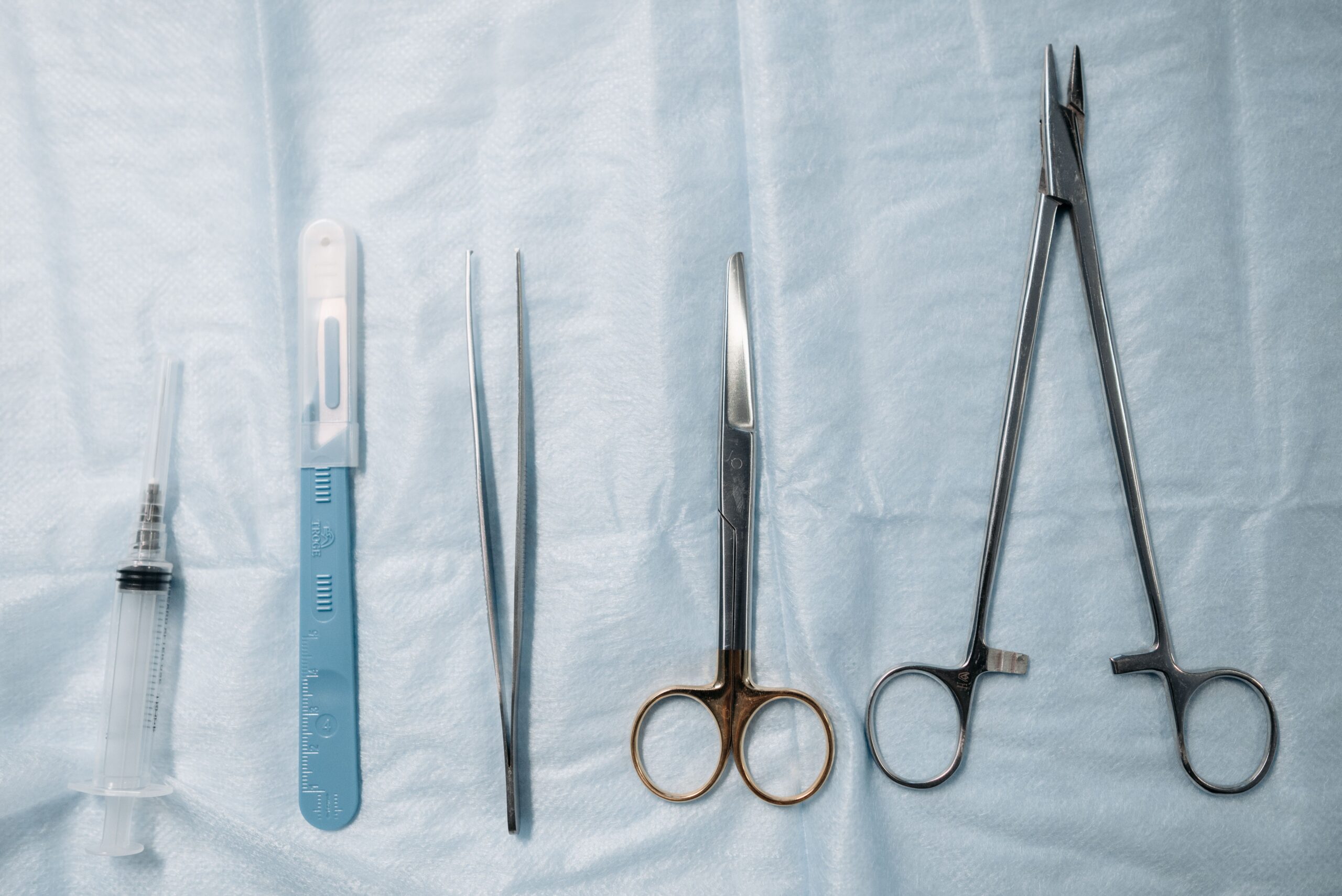
Surgical thinning scissors are versatile instruments used across a wide range of medical specialties:
- General Surgery — Cutting sutures, dissecting tissue, and trimming wound edges
- Plastic & Reconstructive Surgery — Precise tissue thinning in skin grafts and flap procedures
- Ophthalmology — Extremely delicate cuts required in eye surgery
- ENT Surgery — Angled and curved scissors for nasal, sinus, and ear procedures
- Orthopedic Surgery — Trimming of soft tissue, ligaments, and tendons
- Gynecology & Obstetrics — Episiotomy and tissue dissection during delivery
- Wound Care — Safe removal of dressings and bandages without patient injury
- Veterinary Surgery — Fine tissue work in animal surgical procedures
Thinning Scissors vs Regular Scissors: Key Differences
A common question is: what is the difference between thinning scissors and regular scissors?
| Feature | Thinning Scissors | Regular Scissors |
|---|---|---|
| Blade design | Precision-ground or micro-serrated | Plain straight edge |
| Cut result | Clean, layered, reduced-bulk cut | Full-thickness blunt cut |
| Tissue trauma | Minimal | Higher |
| Precision | Very high | Moderate |
| Medical suitability | Designed for medical/surgical use | Not always suitable |
| Sterilization | Autoclave-compatible | Varies |
Key Features to Look for in Quality Thinning Scissors
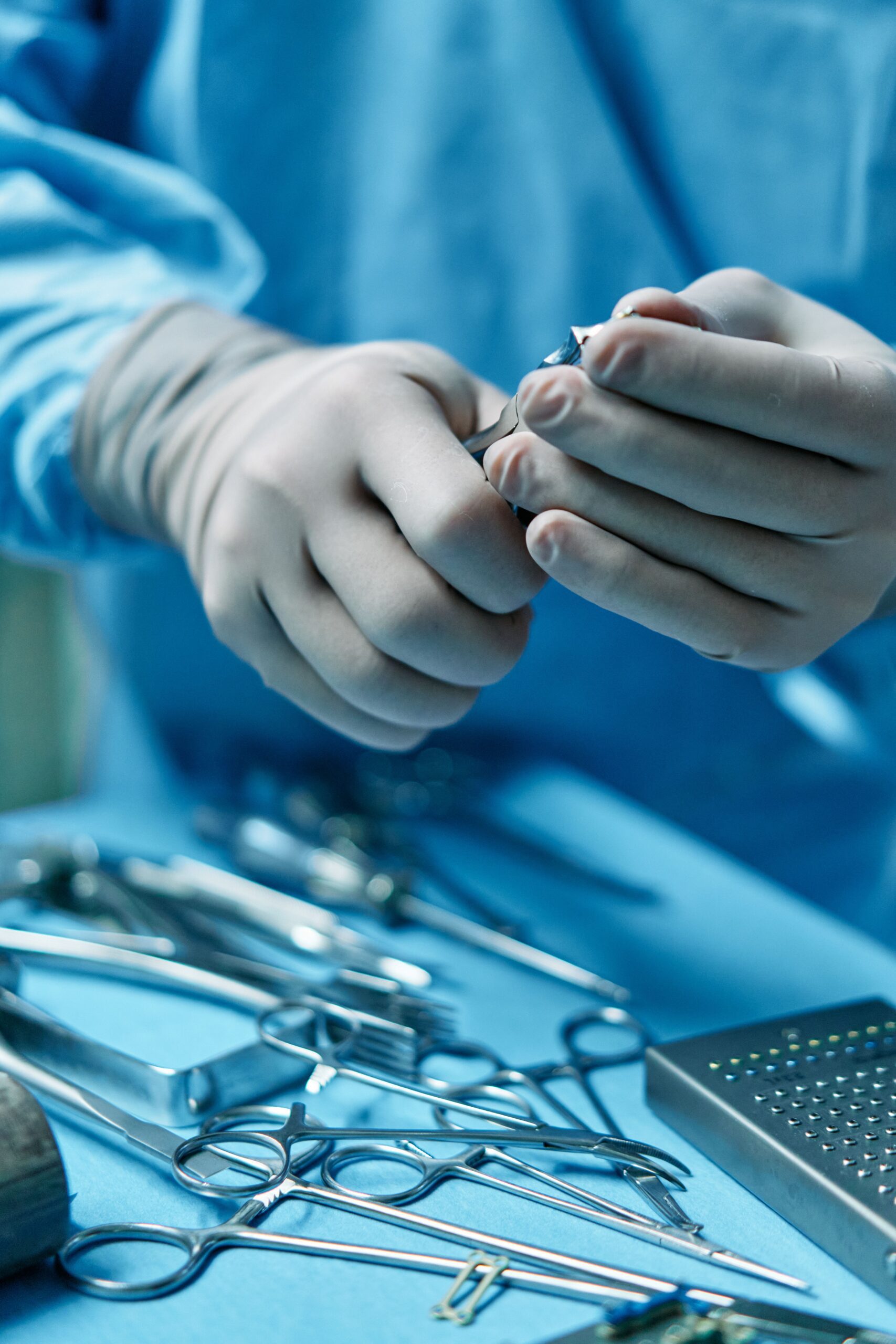
When purchasing thinning scissors for medical use, look for these critical quality indicators:
Medical-Grade Stainless Steel
High-quality thinning scissors are manufactured from 420 or 440 grade medical stainless steel. This ensures corrosion resistance, blade sharpness retention, and safe autoclave sterilization through hundreds of cycles.
Superior Blade Sharpness
The cutting performance of thinning scissors depends on the quality of the blade grind. Premium scissors maintain their edge over extended use without burring or dulling — a critical safety factor in surgical settings.
Ergonomic Handle Design
Surgeons often use scissors for extended periods. Well-designed finger rings and balanced weight distribution significantly reduce hand fatigue and improve cutting control and accuracy.
Smooth Joint Action
The joint mechanism should open and close smoothly with no wobble, binding, or excessive resistance. Proper joint tension is essential for the fine controlled cutting that surgical procedures demand.
Autoclave Compatibility
All surgical thinning scissors must withstand high-temperature steam sterilization. This is a non-negotiable requirement for instruments used in sterile surgical fields. Hasni Surgical thinning scissors are fully autoclave-compatible.
How to Maintain and Sterilize Thinning Scissors
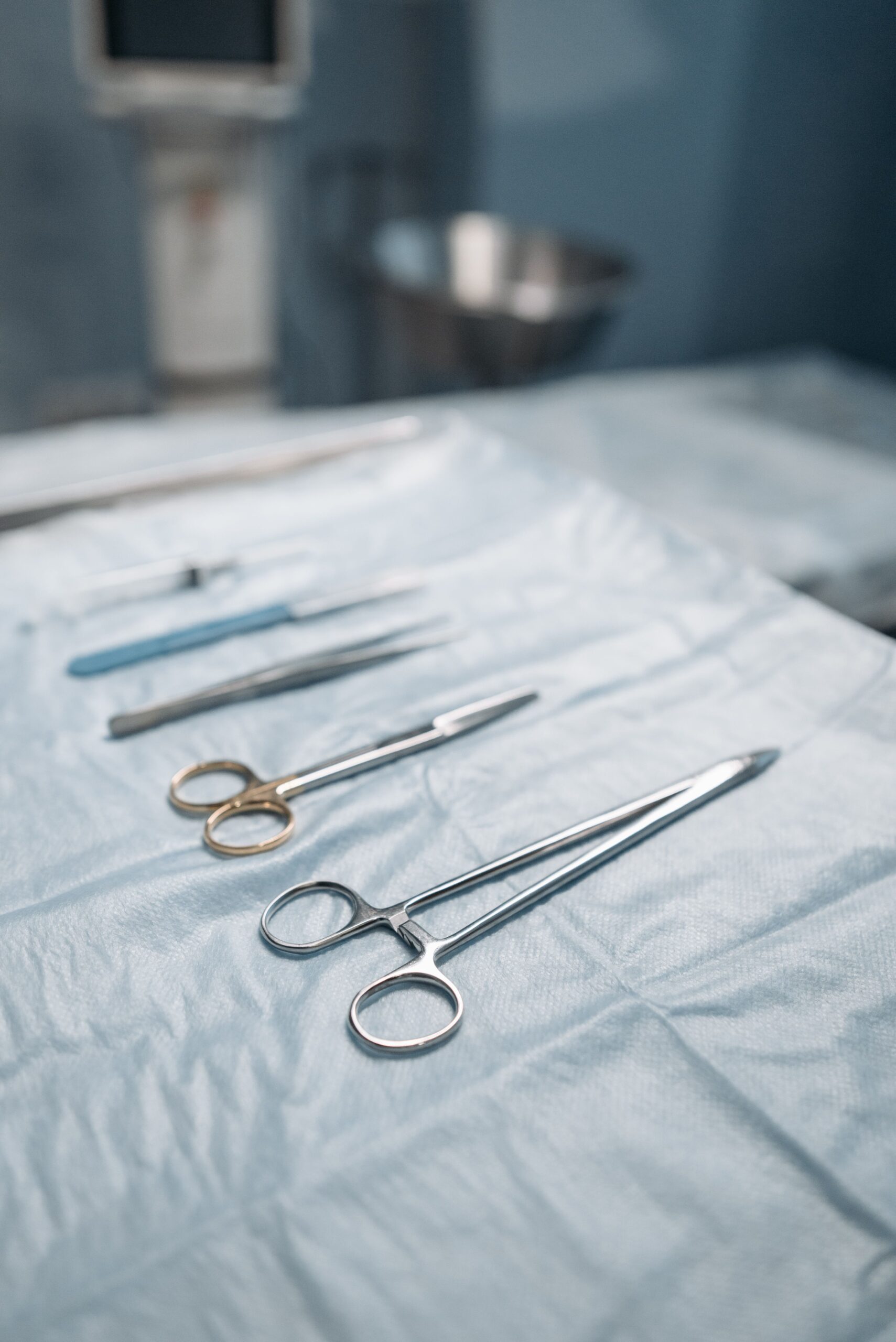
Proper maintenance extends the lifespan of your surgical thinning scissors and ensures consistent performance:
After Each Use
- Rinse immediately under running water to remove blood and tissue debris
- Clean with a soft brush and enzymatic cleaning solution
- Rinse thoroughly and dry completely with a lint-free cloth
Sterilization Protocol
- Apply surgical instrument lubricant to the joint before sterilization
- Autoclave at 134°C for 3–4 minutes or 121°C for 15 minutes
- Allow to cool and dry completely before storage
Storage
- Store in a clean, dry instrument tray or protective case
- Avoid contact with other metal instruments to prevent blade damage
- Inspect before each use for sharpness, alignment, and joint smoothness
Why Choose Hasni Surgical for Thinning Scissors?
At Hasni Surgical, we have built a reputation as a trusted thinning scissors manufacturer and exporter supplying premium surgical instruments to healthcare professionals worldwide. Here is why medical professionals and distributors choose us:
- ✅ Premium medical-grade stainless steel — durable, corrosion-resistant, and autoclave-safe
- ✅ Hand-finished blades for superior sharpness and long-lasting edge retention
- ✅ Multiple sizes and configurations — straight, curved, angled, serrated, blunt-tipped
- ✅ Competitive wholesale pricing with bulk order discounts for hospitals and distributors
- ✅ Reliable global export to the UK, Europe, USA, Middle East, and beyond
- ✅ ISO-standard quality control on every instrument before shipment
- ✅ Made in Pakistan — world-class surgical instrument craftsmanship at competitive prices
Frequently Asked Questions (FAQ)
What are thinning scissors used for in surgery?
Surgical thinning scissors are used for cutting sutures, dissecting tissue, trimming wound edges, and working in tight anatomical spaces across specialties including general surgery, ENT, ophthalmology, plastics, and wound care.
Are thinning scissors reusable after sterilization?
Yes. High-quality stainless steel surgical thinning scissors are fully reusable and engineered to withstand hundreds of autoclave sterilization cycles without losing sharpness or performance.
What is the best material for surgical thinning scissors?
Medical-grade stainless steel (420 or 440 grade) is the industry standard. Premium options may include tungsten carbide inserts for enhanced cutting longevity and durability in high-use environments.
Can I buy thinning scissors in bulk from Hasni Surgical?
Yes. Hasni Surgical offers competitive bulk pricing for hospitals, surgical centers, and medical distributors worldwide. Contact us through our website for a custom quote and product catalog.
How do I choose the right thinning scissors for my practice?
Consider your procedure type, required blade length and curvature, tip design (sharp or blunt), and sterilization requirements. Our expert team at Hasni Surgical can help you select the perfect instrument for your specific surgical needs.
Order Thinning Scissors from Hasni Surgical Today
Thinning scissors are a precision investment in your surgical practice — and quality should never be compromised. At Hasni Surgical, every pair of thinning scissors we manufacture is built to meet the demanding standards of modern surgery: sharp, durable, ergonomic, and sterilization-safe.
Whether you are equipping a hospital operating theatre, a specialist clinic, or a veterinary surgical center, we have the right thinning scissors for your needs — at the right price.
📞 Contact Hasni Surgical today to request a product catalog, get a bulk quote, or speak with our instrument specialists.
🌐 Visit us at: www.hasnisurgical.com
