
A Beginner’s Guide to Ophthalmic Surgical Instruments Sets. 8 Common Yet Important Instruments
September 20, 2025 2025-09-22 4:06A Beginner’s Guide to Ophthalmic Surgical Instruments Sets. 8 Common Yet Important Instruments
 hasni
hasni 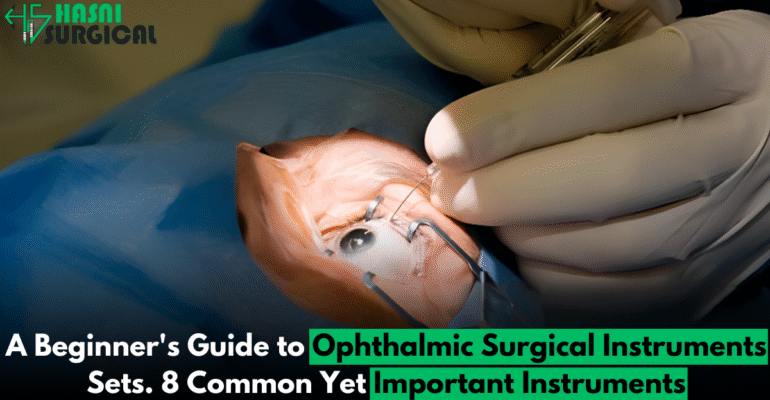
A Beginner’s Guide to Ophthalmic Surgical Instruments Sets. 8 Common Yet Important Instruments
Eye surgery is perhaps the most sensitive area in human and veterinary medicine. The structures in the eye are minute, delicate, and sensitive, so even small mistakes will result in irreparable damage. For this reason, ophthalmic surgeons use extremely specialized surgical sets made for accuracy, control, and safety.
If you’re a medical student, veterinary intern, or just new to ophthalmic surgery, learning about the elements in ophthalmic surgical instruments sets will be critical. What’s included in these kits, why they’re different, and how every instrument is used to restore vision and correct eye conditions is what this Beginner’s Guide is about.
What is So Special About Ophthalmic Surgery?
Unlike orthopedic or general surgery, ophthalmic surgery:
- Needs micro-instruments precision-engineered for millimeter-level movements.
- Works with tissues that are transparent, vascular, and sensitive, e.g., the cornea, sclera, and retina.
- Represents steady hands, magnification (surgical microscopes), and special lighting.
- Tends to require instruments with delicate tips and smooth surfaces to avoid trauma.
Because of these requirements, ophthalmic surgical sets are carefully curated and distinct from general surgical kits.
Core Qualities of a Good Ophthalmic Surgical Set
- A beginner should look for sets that include instruments with:
- Surgical-grade stainless steel or titanium for strength, durability, and rust resistance.
- Ergonomic handles that provide excellent grip and reduce surgeon fatigue.
- Fine, polished tips to avoid tissue snagging or damage.
- Lightweight design to allow extended use without hand strain.
- Compatibility with sterilization methods like autoclaving.
Common Instruments in an Ophthalmic Surgical Set
Let’s walk through the essential tools you’ll find in most beginner-friendly ophthalmic kits.
Common Instruments in an Ophthalmic Surgical Set
Let’s walk through the essential tools you’ll find in most beginner-friendly ophthalmic kits.
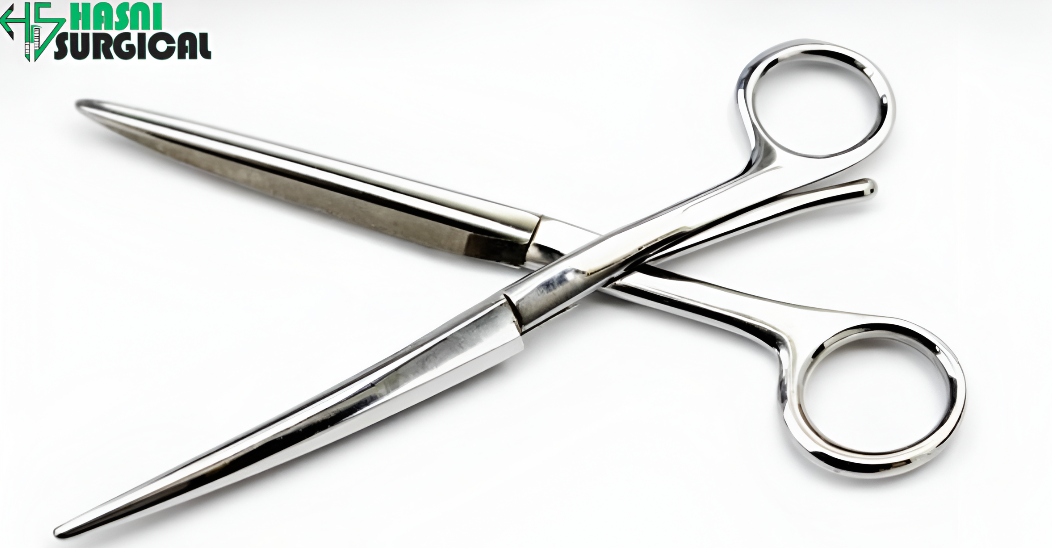
1. Scissors
They are used to incise very delicate tissues, sutures, or eye membranes.
Types of Ophthalmic Scissors:
- Westcott Scissors: For sharp dissection of thin tissue, particularly in conjunctival surgery.
- Steven Tenotomy Scissors: Curved, short scissors for fine dissection.
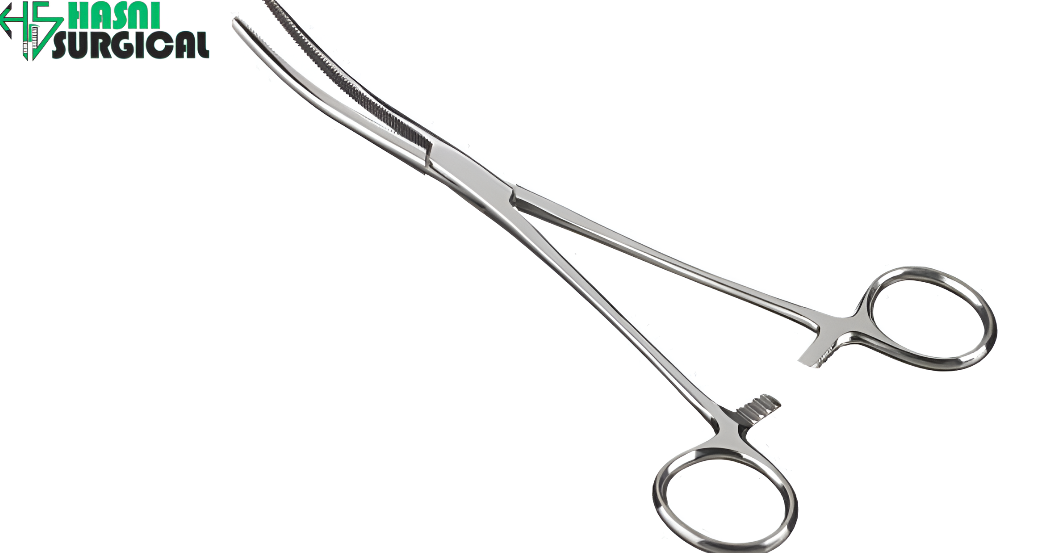
2. Forceps
Forceps enable the surgeon to grasp and handle sutures or tissue.
- Colibri Forceps: Must have fine teeth to hold cornea and sutures.
- Bishop-Harmon Forceps: Used for eyelid and general ophthalmic procedures.
- Tying Forceps: Made specifically for handling sutures without trauma.
- Capsulorhexis Forceps: Employed in cataract surgery to tear lens capsule in a controlled circular manner.
Use Cases:
- Conjunctiva holding during flap formation.
- Handling sutures in grafts of the cornea.
- Aiding in lens capsule handling.
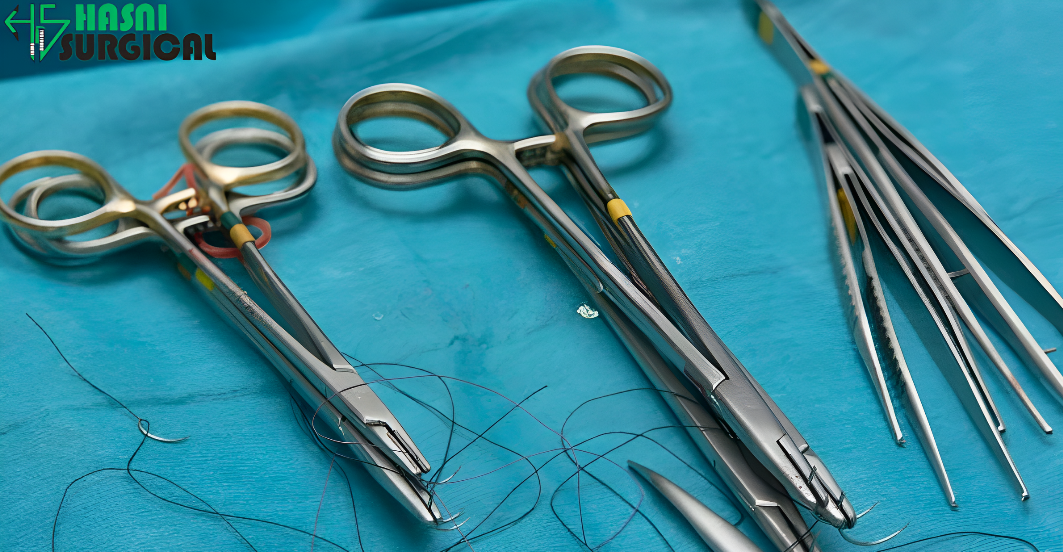
3. Needle Holders
Used for very fine sutures (8-0 to 12-0 gauge), ophthalmic needle holders are light and thin.
Examples:
- Castroviejo Needle Holder: Spring-loaded, best suited for micro-suturing.
- Barraquer Needle Holder: Non-locking, providing better control in delicate work.
Use Cases:
- Suturing in corneal transplants.
- Incision closure post-cataract surgery.
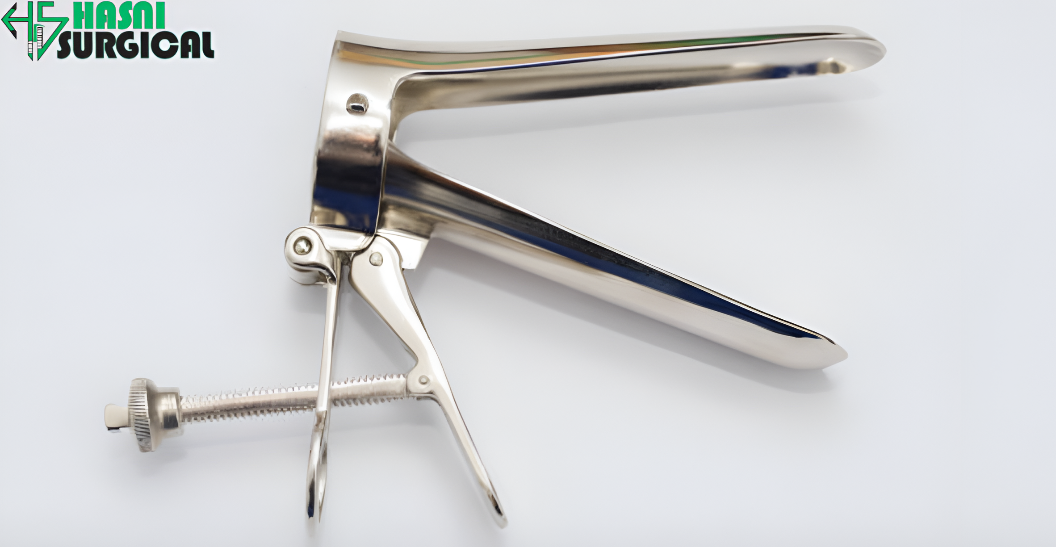
4. Speculums
Speculums are employed to maintain the eyelids apart, providing access for the surgeon to the globe.
Types of Speculums:
- Barraquer Wire Speculum: Spring type with low weight for small eyes.
- Desmarres Speculum: Offers firm eyelid retraction in larger eyes.
Use Cases:
- Keeping eyelids retracted during cataract or retinal surgeries.
- Allowing unobstructed access to the surgical field.
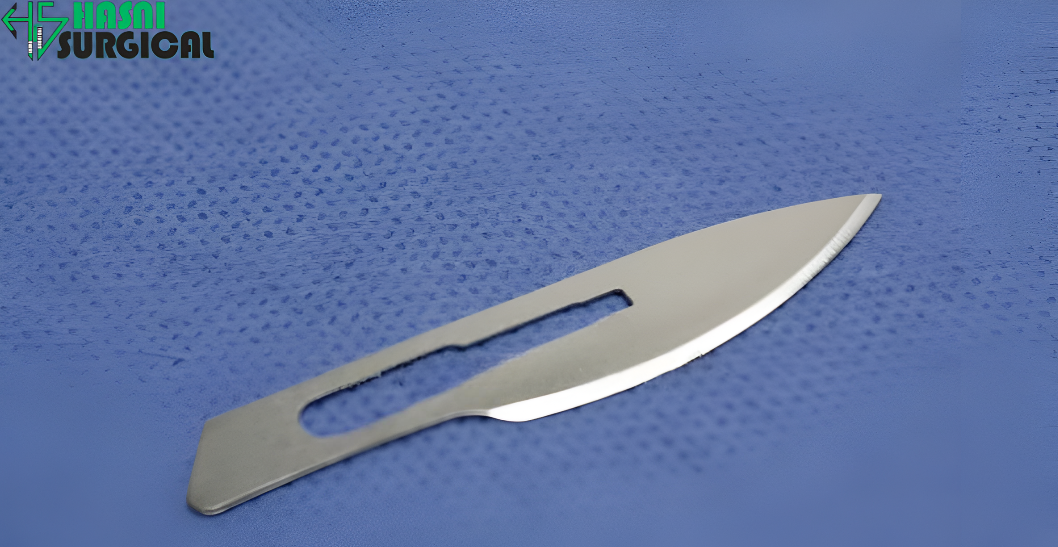
5. Knives and Blades
Ophthalmic knives are very sharp and of various shapes for certain incisions.
Common Blades:
- Crescent Knives: For scleral tunnel incisions.
- Keratome Blades: For making fine corneal incisions.
- MVR (Microvitreoretinal) Knives: For vitreoretinal access.
Use Cases:
- Making incisions for cataract surgery entry.
- Corneal transplants.
- Repair of retinal detachment.
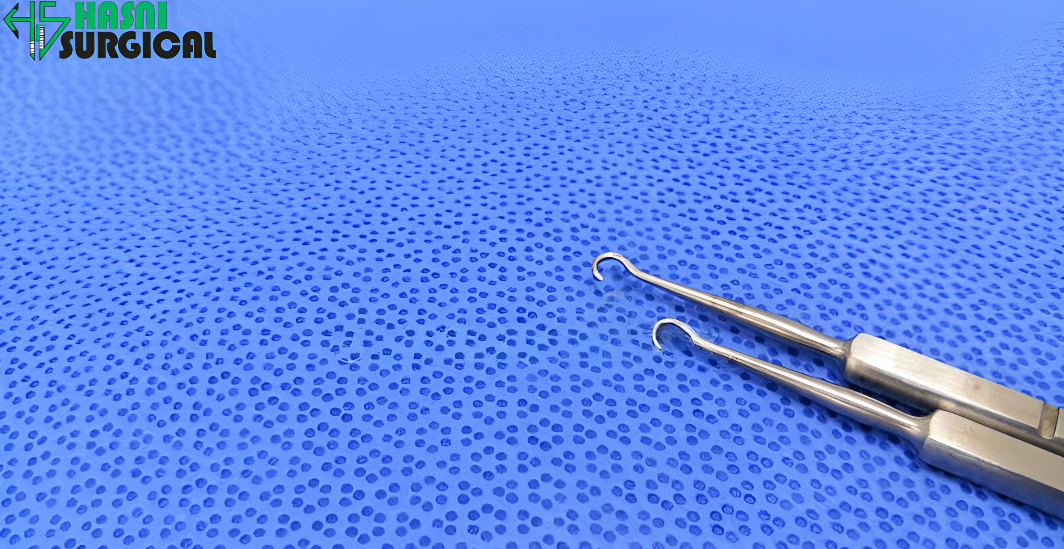
6. Hooks and Spatulas
These sensitive instruments enable the handling of intraocular lenses and tissues.
Examples
- Iris Hooks: For retracting or handling the iris in intraocular surgery.
- Lens Loop or Spatula: For handling intraocular lenses.
Use Cases:
- Preventing pupil dilation regression in cataract surgery.
- Repositioning or stabilizing implants.
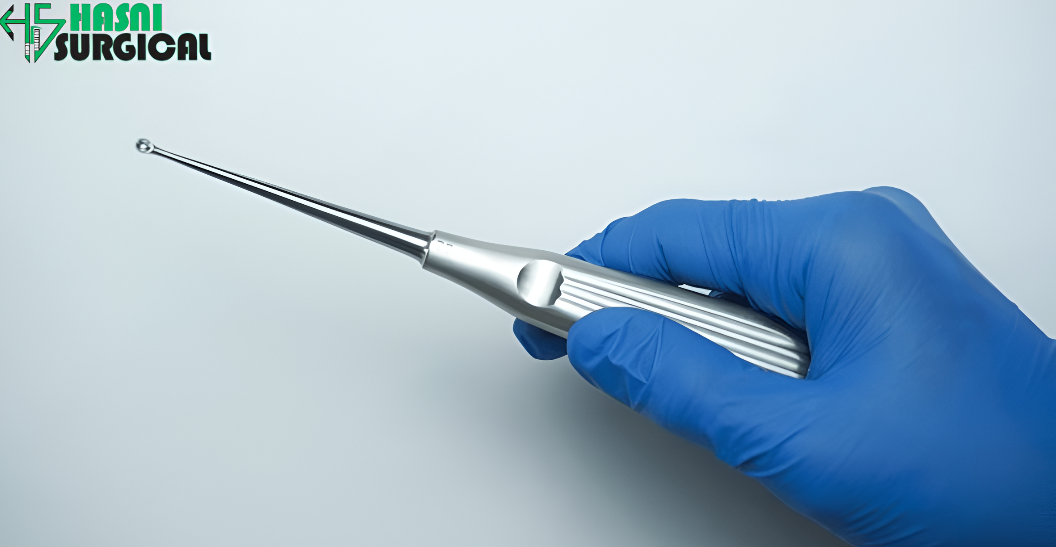
7. Curettes and Probes
They are used in intraocular as well as in extraocular procedures.
Examples:
- Lacrimal Probes: To diagnose or treat obstructions in tear ducts.
- Curettes: To scrape or remove small lesions in chalazia.
Use Cases:
- Opening of nasolacrimal duct.
- Treating eyelid cysts.
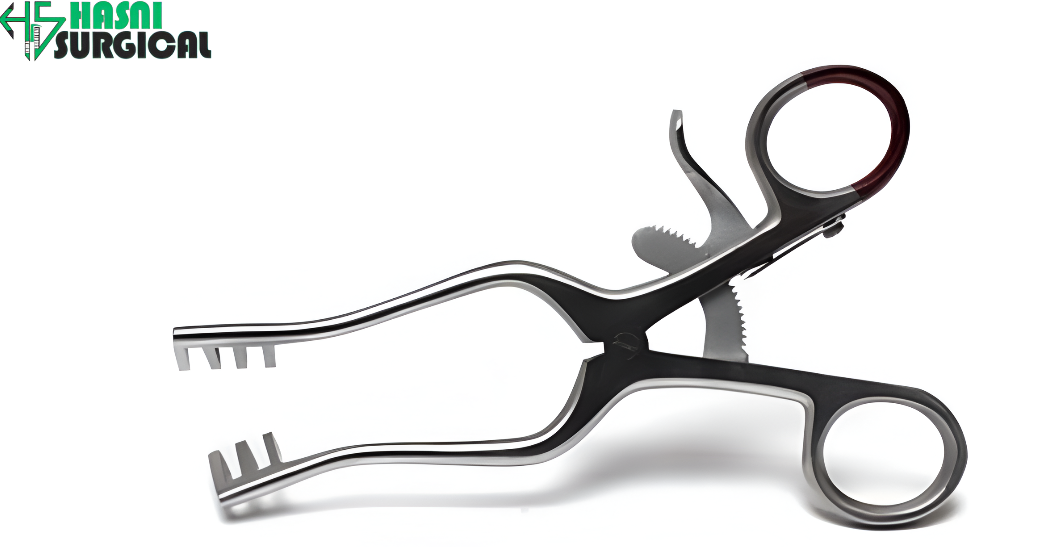
8. Retractors and Sponges
- Retractors: Tiny instruments to keep tissues out of the way without harming them.
- Weck-Cel Sponges: Absorb excess fluid when operating.
Uses:
- Creating clear surgical fields.
- Controlling sensitive tissues without trauma.
Specialized Ophthalmic Surgical Sets
Ophthalmic sets may be classified by procedure type. For newcomers, listed below are the most common:
1. Cataract Surgery Set
Includes keratomes, capsulorhexis forceps, lens loop, Vannas scissors, and Castroviejo needle holders.
2. Corneal Surgery Set
Contains crescent knives, corneal scissors, forceps used for tying, and speculums.
3. Glaucoma Surgery Set
Consists of scleral punches, spatulas, iris retractors, and suture forceps.
4. Oculoplastic Surgery Set
Contains Westcott scissors, chalazion curettes, lacrimal probes, and eyelid speculums.
Beginner’s Guide for Choosing Ophthalmic Sets
- Start Small: Newcomers should hold on to first sets for routine ophthalmic procedures before investing in advanced vitreoretinal sets.
- Quality Over Quantity: A few good tools are better than an enormous inventory of poor tools.
- Look for Versatility: Choose tools that can work on multiple procedures (e.g., Castroviejo needle holder).
- Invest in Sterilizable Instruments: Invest in autoclavable instruments.
- Look for OEM or Customized Solutions: Suppliers like Hasni Surgical offer customized sets to address specific surgical needs.
Maintenance of Ophthalmic Surgical Instruments
- Because these instruments are delicate and are detailed, their maintenance is paramount:
- Wash instruments thoroughly after every use to avoid the formation of residues.
- Store them in protective trays or cases in order to prevent tip breakage.
- Sharpen knives and scissors regularly.
- Sterilize following manufacturer instructions.
Final Thoughts
Ophthalmic surgical sets are extremely important to eye care professionals. They possess accurate instruments through which they can perform accurate eye procedures, ranging from cataract surgery to corneal transplant. Learning scissors, forceps, speculums, needle holders, and probes and their uses provides a good learning platform.
Whether you’re just starting in ophthalmology or building your clinic’s toolkit, investing in a reliable ophthalmic surgical set ensures better outcomes for patients and smoother surgical workflows.
Hasni Surgical: Accurate Ophthalmic Instruments
We at Hasni Surgical deal in designing high-precision ophthalmic surgery sets intended for usage and longevity. From beginner surgeon starter packs to procedure-specific trays for experienced professionals, our instruments are made of surgical-grade stainless steel and ergonomically shaped ones that are relied upon worldwide.
Reach out to us today to learn more about our line of ophthalmic sets or inquire about a custom solution for your practice.
FAQs
Q1: How do general surgical scissors differ from ophthalmic scissors?
Ophthalmic scissors are finer, sharper, and for very precise tissue handling, in contrast to general scissors.
Q2: Do novices require separate sets for every procedure?
Not initially. A well-stocked general ophthalmic kit will deal with most basic procedures, but more advanced surgeries necessitate specialized sets.
Q3: How frequently should ophthalmic instruments be replaced?
With good maintenance, stainless steel instruments last year. Replace tools when tips get blunt, bent, or damaged.
Q4: Are titanium ophthalmic instruments superior to stainless steel?
Titanium instruments are light and non-magnetic and are popular for microsurgery, but stainless steel is very tough and inexpensive.
