
Titanium Surgical Scissors: The Complete Guide to Precision, Types, and Uses
June 24, 2026 2026-06-24 6:04Titanium Surgical Scissors: The Complete Guide to Precision, Types, and Uses
 hasni
hasni 
Titanium Surgical Scissors: The Complete Guide to Precision, Types, and Uses

When a surgeon picks up a pair of scissors in the operating room, every gram matters. Every micron of sharpness counts. And every second of performance must be absolutely reliable.
That is why titanium surgical scissors have become one of the most sought-after instruments in hospitals, microsurgery suites, and specialty clinics worldwide. They are lighter than stainless steel, stronger under pressure, non-magnetic, and built to last through thousands of sterilization cycles.
Whether you are a surgeon looking to upgrade your instrument set, an OR procurement manager comparing options, or a medical distributor sourcing from Sialkot, Pakistan — this complete guide covers everything you need to know.
What Are Titanium Surgical Scissors?
Titanium surgical scissors are precision cutting instruments used in surgical procedures, made either entirely from medical-grade titanium alloy or coated with a titanium finish over a stainless steel base. They are designed for cutting tissue, sutures, membranes, and other delicate biological structures with maximum accuracy and minimal trauma.
Unlike conventional stainless steel scissors, titanium versions offer a remarkable combination of properties that make them ideal for modern surgery:
- 40% lighter than equivalent stainless steel instruments
- 100% non-magnetic — safe for use in MRI suites
- Highly corrosion-resistant — withstand aggressive sterilization
- Biocompatible — no risk of allergic tissue reactions
- Superior blade sharpness — can be honed to a finer edge
These qualities make titanium surgical scissors the preferred choice for neurosurgeons, ophthalmologists, cardiovascular surgeons, plastic surgeons, and microsurgery specialists globally.
Why Surgeons Choose Titanium Over Stainless Steel
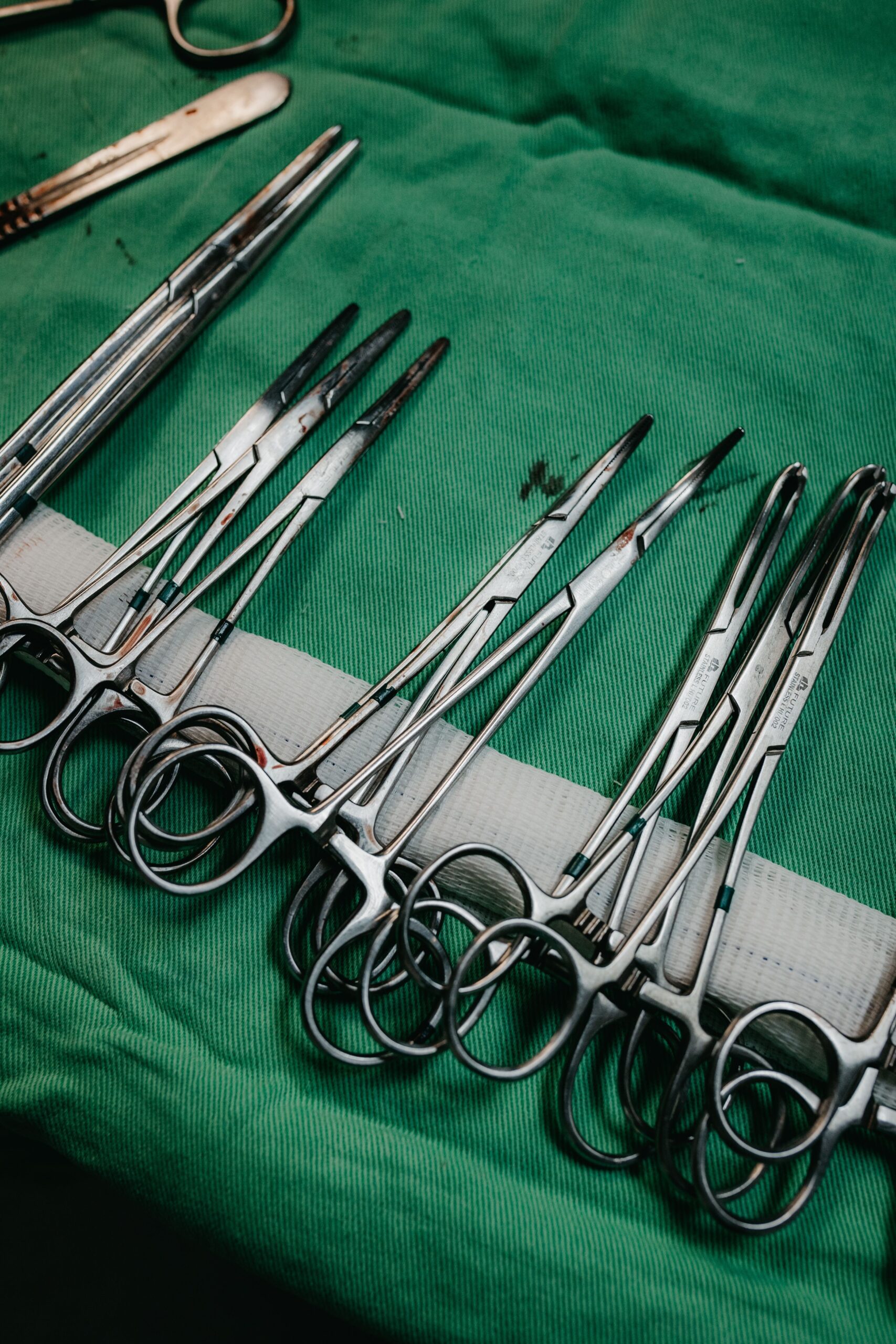
The surgical instrument market has evolved dramatically over the past two decades. Titanium surgical scissors are no longer a luxury — they are a necessity for many high-precision specialties. Here is a detailed comparison of titanium versus stainless steel surgical scissors:
| Feature | Titanium Scissors | Stainless Steel Scissors |
|---|---|---|
| Weight | 40% lighter | Standard weight |
| Magnetic properties | Non-magnetic | Slightly magnetic |
| Corrosion resistance | Excellent | Good |
| Blade sharpness | Ultra-fine edge possible | Sharp but thicker edge |
| Biocompatibility | Fully biocompatible | Generally safe |
| Durability | Very high | High |
| MRI compatibility | Yes | No |
| Cost | Higher upfront | Lower upfront |
For procedures that demand extreme precision — such as ophthalmology, neurosurgery, and microsurgery — titanium scissors are often the only acceptable choice.
Types of Titanium Surgical Scissors
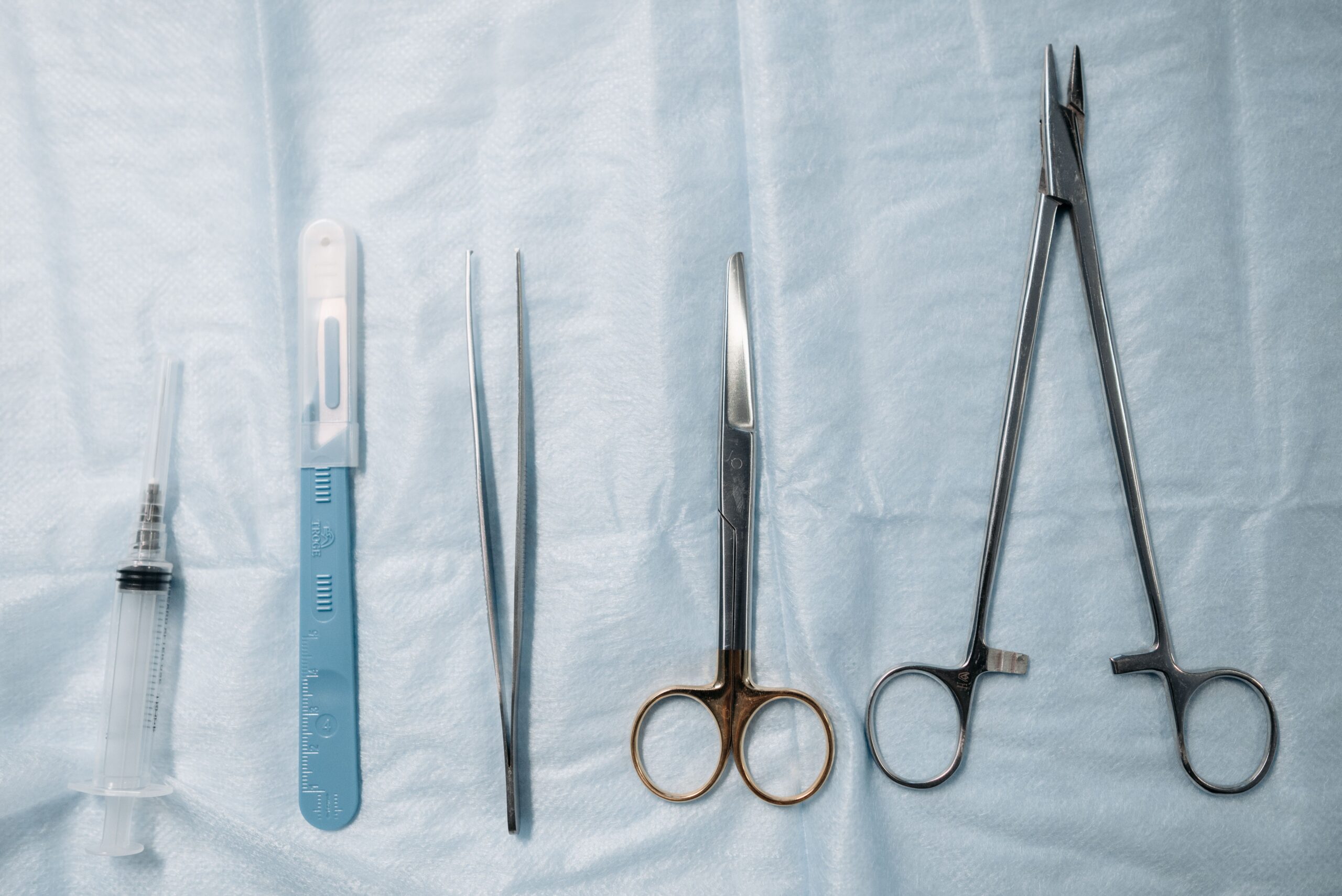
Not all titanium surgical scissors are the same. Each type is engineered for a specific surgical application. Here are the most commonly used types in operating rooms worldwide:
1. Metzenbaum Titanium Scissors
These are long-handled scissors with relatively short blades, designed for blunt dissection of delicate soft tissue. They are widely used in general surgery, gynecology, and thoracic procedures. The titanium version offers superior balance and reduced hand fatigue during extended operations.
Common uses: Tissue dissection, soft tissue separation, peritoneal cutting
2. Mayo Titanium Scissors
Mayo scissors are robust, heavy-duty instruments designed for cutting thick or tough tissue and sutures. Available in straight and curved versions, the titanium variant provides the same durability but with significantly less hand strain.
Common uses: Cutting heavy sutures, fascia, and fibrous tissue
3. Iris Titanium Scissors
Originally developed for ophthalmic surgery, iris scissors are small, fine-pointed scissors used for delicate dissection. Their titanium versions are exceptionally lightweight, making them ideal for long microsurgical procedures where surgeon fatigue must be minimized.
Common uses: Ophthalmology, plastic surgery, eyelid surgery, ear procedures
4. Vannas Titanium Scissors
Vannas scissors are ultra-fine spring-action scissors used almost exclusively in microsurgery and ophthalmic surgery. They feature spring handles that open automatically, reducing the need for active hand movement and preventing fatigue.
Common uses: Anterior segment eye surgery, corneal procedures, microsurgery
5. Potts-Smith Titanium Scissors
Potts scissors have angled blades, making them ideal for cardiovascular and vascular surgery. They allow surgeons to cut in confined spaces without obstructing the line of sight or interfering with surrounding structures.
Common uses: Vascular surgery, cardiac surgery, arteriotomies
6. Tenotomy Titanium Scissors
Tenotomy scissors are curved, fine-bladed scissors designed for cutting tendons, ligaments, and fibrous tissue. They are frequently used in reconstructive surgery, orthopedics, and pediatric procedures.
Common uses: Tendon surgery, eye muscle surgery, pediatric reconstructive procedures
Key Benefits of Titanium Surgical Scissors
✅ Superior Strength-to-Weight Ratio
Titanium offers the tensile strength of carbon steel while being nearly half the weight. This means surgeons can hold and maneuver these scissors during long, complex procedures without experiencing the muscle fatigue that often leads to micro-errors.
✅ MRI and Imaging Compatibility
One of the most important advantages of titanium surgical scissors in modern medicine is their non-magnetic nature. They do not interfere with MRI machines, CT scanners, or electrosurgical devices — making them essential for intraoperative imaging procedures.
✅ Exceptional Corrosion Resistance
Titanium is highly resistant to body fluids, saline, chloride, and the chemicals used in sterilization. Even after hundreds of autoclave cycles, titanium scissors retain their sharpness, structural integrity, and finish — far longer than standard stainless steel.
✅ Biocompatibility and Patient Safety
Titanium is one of the most biocompatible metals known to medicine. It does not cause allergic reactions, tissue irritation, or toxic responses — making it the safest material for instruments that come into direct contact with biological tissue.
✅ Zero Glare During Surgery
When properly finished, titanium instruments produce minimal light reflection under surgical lighting. This is a critical safety advantage — reducing visual fatigue and allowing surgeons to maintain focus during intricate procedures.
✅ Ultra-Fine Blade Edge Possible
Because titanium can be precision-ground to a sharper, narrower edge than stainless steel, titanium surgical scissors deliver cleaner cuts with less tissue drag. This leads to better healing outcomes and reduced postoperative scarring.
Surgical Specialties That Rely on Titanium Scissors

Titanium surgical scissors are not limited to one specialty. Their versatility makes them valuable across many branches of surgery:
- Neurosurgery: Delicate cutting of neural tissue, dura mater, and membranes where zero contamination and precise dissection are mandatory
- Ophthalmology: Fine dissection in cataract, corneal, retinal, and eyelid surgeries requiring ultra-light instruments
- Cardiovascular Surgery: Cutting vessels, sutures, and graft material in procedures involving MRI-guided imaging
- Plastic and Reconstructive Surgery: Precise tissue excision for cosmetic outcomes with minimal scarring
- Microsurgery: Any procedure requiring magnification and extreme delicacy — digit replantation, nerve repair, lymphatic surgery
- Orthopedic Surgery: Tendon and ligament cutting in confined spaces
- ENT Surgery: Ear, nasal, and throat procedures requiring fine dissection in narrow canals
- Gynecology: Laparoscopic and open procedures involving delicate pelvic tissue
How to Choose the Right Titanium Surgical Scissors
Choosing the right pair of titanium surgical scissors involves more than just picking a brand. Here are the key factors procurement teams and surgeons should evaluate:
1. Blade Type: Straight vs. Curved
Straight blades are used for cutting in a direct line — ideal for tissue, sutures, and flat surfaces. Curved blades offer better access around anatomical structures, making them preferred for dissection in cavities and around organs.
2. Tip Design: Sharp-Sharp, Sharp-Blunt, or Blunt-Blunt
The tip configuration determines the cutting action. Sharp-sharp tips are used for fine tissue work. Sharp-blunt (one sharp, one rounded) are safer for dissection near vessels. Blunt-blunt tips are ideal for opening cavities without risk of puncture.
3. Handle Design: Ring vs. Spring Action
Traditional ring handles give the surgeon full control of opening and closing. Spring-action handles (as seen in Vannas or micro scissors) auto-open after each cut, reducing muscle effort — crucial in microsurgery lasting several hours.
4. Length and Size
Longer scissors give reach in deep cavities. Shorter scissors offer more control in confined or superficial areas. Always match instrument length to the depth and complexity of the procedure.
5. Full Titanium vs. Titanium-Coated
Full titanium scissors offer maximum corrosion resistance and weight advantages. Titanium-coated stainless steel scissors are more affordable while still providing a degree of non-magnetic and corrosion-resistant properties. For critical environments like MRI suites or microsurgery, full titanium is always the better choice.
6. Sterilization Compatibility
Confirm the scissors are rated for repeated autoclaving (steam sterilization at 134°C), chemical disinfection, and dry heat sterilization if required by your facility’s protocols.
Care and Sterilization of Titanium Surgical Scissors
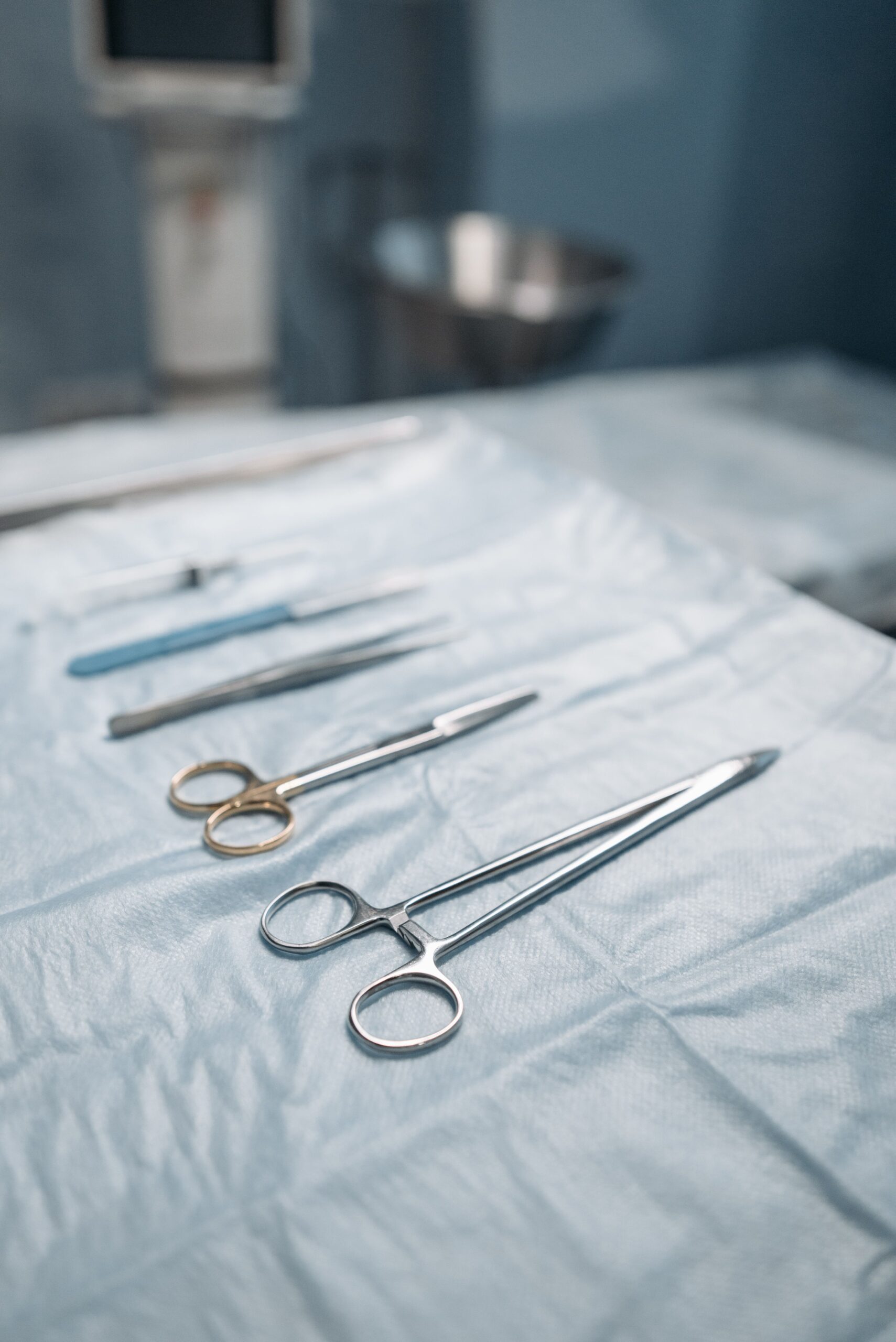
Titanium surgical scissors are a long-term investment. With proper care, a quality pair can last years — even decades — without loss of precision. Follow these best practices:
- Rinse immediately after use — Remove blood, saline, and biological debris under running water before drying or storage
- Ultrasonic cleaning — Use an ultrasonic cleaner with a compatible enzymatic detergent for thorough decontamination in difficult-to-reach joints
- Inspect before sterilization — Check blade alignment, tip condition, and joint tightness before each sterilization cycle
- Autoclave sterilization — Most titanium surgical scissors are fully autoclavable at 134°C for standard cycles
- Dry thoroughly — Moisture trapped in joints can accelerate corrosion even on titanium-coated instruments. Always dry completely before storage
- Lubricate the joint — Apply a small amount of instrument-grade lubricant to the joint mechanism before sterilization to maintain smooth action
- Store correctly — Keep scissors in padded instrument trays or protective pouches. Never stack them loose in a tray where blade-to-blade contact can damage the tips
- Sharpen professionally — When cutting action becomes less precise, send scissors for professional resharpening. Never use consumer-grade sharpeners on surgical instruments
Titanium Surgical Scissors from Hasni Surgical — Made in Sialkot, Pakistan

Sialkot, Pakistan is the surgical instrument manufacturing capital of the world — responsible for producing a significant share of the world’s high-quality surgical instruments. Hasni Surgical, established in 2021 in Sialkot, manufactures a comprehensive range of titanium and stainless steel surgical scissors that meet international quality standards.
Our titanium surgical scissors are manufactured with:
- Medical-grade titanium alloy or premium stainless steel with titanium coating
- Precision-ground blades engineered for clean, accurate cutting
- Ergonomic handles designed to reduce surgeon fatigue
- Smooth, properly tensioned joints for fluid scissor action
- Full compatibility with autoclave, chemical, and other sterilization methods
- CE marking compliance and rigorous quality control at every production stage
We supply hospitals, clinics, surgical distributors, and medical procurement departments across the Middle East, Europe, North America, Africa, and Asia.
Whether you need a single pair of titanium iris scissors or a bulk order of 500 Metzenbaum sets for hospital supply, Hasni Surgical has the capacity and expertise to deliver.
Titanium Surgical Scissors vs. Stainless Steel: When to Choose Which
Both titanium and stainless steel scissors have their place in the OR. Here is a practical guide to help you decide:
Choose Titanium Surgical Scissors When:
- You are working in an MRI suite or near magnetic imaging equipment
- The procedure involves microsurgery or requires ultra-fine blade precision
- Surgeon comfort over long procedures is a priority
- You need maximum corrosion resistance for aggressive sterilization environments
- You are performing ophthalmic, neurosurgical, or cardiovascular surgery
- You want instruments that will last significantly longer than standard options
Choose Stainless Steel Scissors When:
- Budget constraints are a primary factor
- Instruments are for general surgical use and high-volume turnover
- The procedure does not involve magnetics or imaging equipment
- You need a reliable, widely available, cost-effective option
For most high-precision surgical environments, the long-term value and performance of titanium surgical scissors make them a worthwhile investment despite the higher initial cost.
Frequently Asked Questions (FAQ)
Q1: Are titanium surgical scissors better than stainless steel?
For precision surgical specialties like ophthalmology, neurosurgery, and microsurgery — yes, titanium is significantly better. They are lighter, non-magnetic, more corrosion-resistant, and can hold a sharper edge. For general high-volume surgery, quality stainless steel remains a practical and cost-effective choice.
Q2: Can titanium surgical scissors be autoclaved?
Yes. Medical-grade titanium surgical scissors are fully compatible with steam autoclave sterilization at standard hospital temperatures (134°C). Titanium’s thermal stability — changing dimensions at less than half the rate of stainless steel when heated — makes it exceptionally durable through repeated sterilization cycles.
Q3: What is the difference between titanium and titanium-coated scissors?
Full titanium scissors are made entirely from a titanium alloy, offering maximum weight savings, corrosion resistance, and non-magnetic properties. Titanium-coated scissors have a stainless steel core with a thin titanium coating that provides some of the same benefits at a lower cost. For MRI-guided procedures, only full titanium should be used.
Q4: How long do titanium surgical scissors last?
With proper care and maintenance, quality titanium surgical scissors can last 5 to 15 years or more. Their superior corrosion resistance and ability to be professionally resharpened make them a long-term value compared to cheaper instruments that may need replacing annually.
Q5: What types of titanium surgical scissors does Hasni Surgical manufacture?
Hasni Surgical manufactures a full range including Mayo scissors, Metzenbaum scissors, Iris scissors, Vannas scissors, Potts-Smith scissors, Tenotomy scissors, and many specialty micro scissors — all available in titanium or stainless steel. Custom configurations are available for bulk orders.
Q6: Are titanium surgical scissors safe for use in patients with metal allergies?
Titanium is one of the most biocompatible metals in medicine — the same metal used in dental implants and joint replacements. It is highly unlikely to cause allergic reactions, making titanium surgical scissors the safest option for procedures in patients with known metal sensitivities.
Q7: Where can I order titanium surgical scissors from Pakistan?
Hasni Surgical, based in Sialkot — the world’s surgical instrument hub — supplies titanium scissors to hospitals, distributors, and procurement teams globally. You can browse our catalog online at hasnisurgical.com or contact us directly for bulk pricing, custom orders, and shipping details.
Conclusion: Invest in Precision — Choose Titanium Surgical Scissors
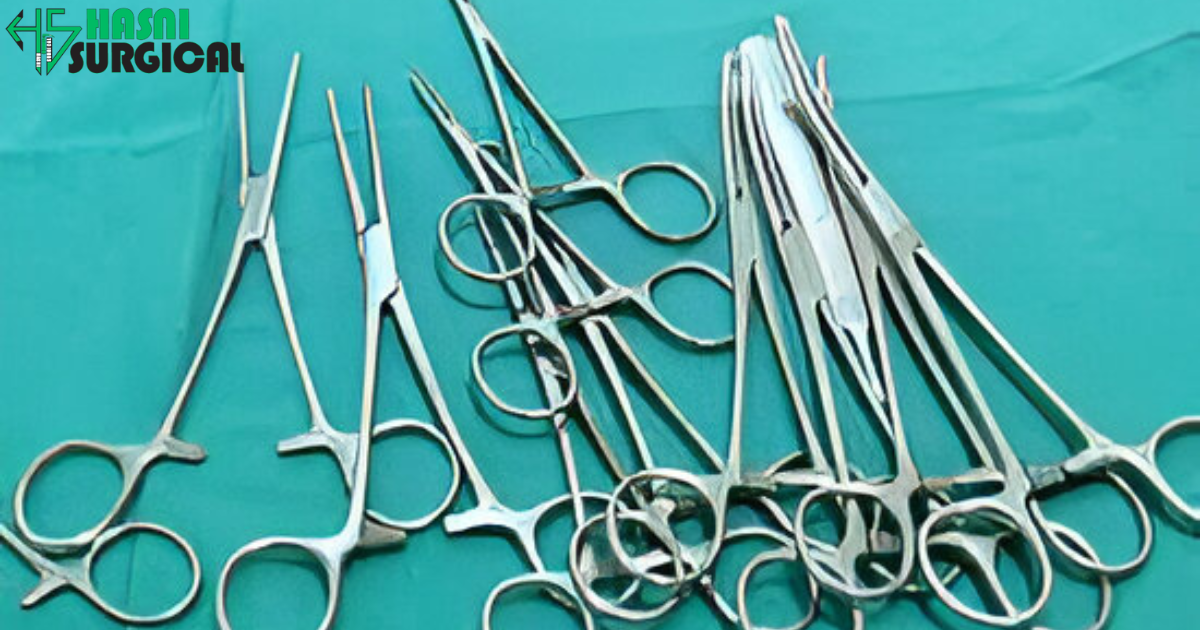
Surgical outcomes depend on more than skill and technique — the quality of the instruments in a surgeon’s hands plays a direct role in every incision made, every suture cut, and every tissue dissected.
Titanium surgical scissors represent the pinnacle of cutting instrument design. They are lighter, sharper, longer-lasting, MRI-compatible, and biocompatible. For modern operating rooms where precision is non-negotiable, they are not just an upgrade — they are an essential standard of care.
At Hasni Surgical, we manufacture premium titanium surgical scissors that combine the craftsmanship of Sialkot’s legendary instrument-making tradition with modern precision engineering. Our instruments are trusted by surgeons and medical teams across four continents.
Ready to upgrade your surgical instrument set? Browse our complete collection of titanium surgical scissors or contact our team today for a custom quote, bulk pricing, or to discuss your specific instrument requirements. Precision is just one click away.
