
10 Important Cardiovascular Instruments in Open-Heart Surgery
September 13, 2025 2025-09-13 11:3410 Important Cardiovascular Instruments in Open-Heart Surgery
 hasni
hasni 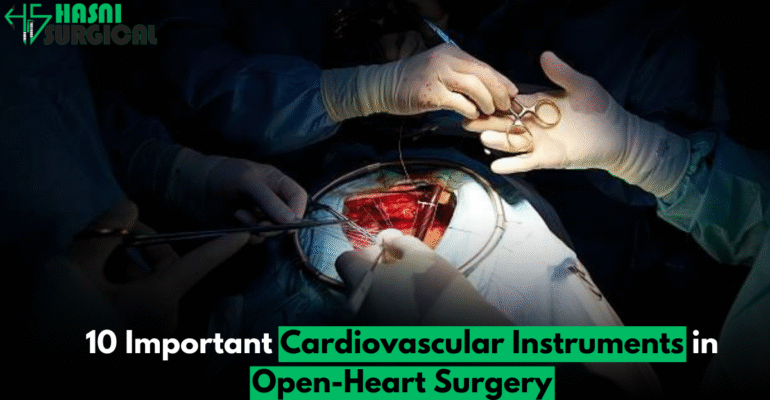
10 Important Cardiovascular Instruments in Open-Heart Surgery
Open-heart surgery, also called Cardiovascular Surgery or Thoracic Surgery, ranks among the most intricate and sensitive medical procedures in contemporary medicine. It calls not just for the service of a very well-trained operating team but also for a discriminate set of equipment that is developed with precision, safety, and control.
Following are 10 absolute cardiovascular instruments being used in open-heart surgery — what they do, how these Thoracic Surgery instruments work, and why they are indispensable in life-or-death operations.
Cardiovascular & Thoracic Surgery instruments

1. Rib Spreaders (Sternal Retractors)
- Applied following division of the sternum (breastbone) to allow extensive access to the chest cavity.
- The most common design is the Finochietto rib retractor, with ratchet arms for controlled spreading.
- Keeps the chest cavity stable and open throughout surgery.
- Essential for visibility and access to the heart and lungs.
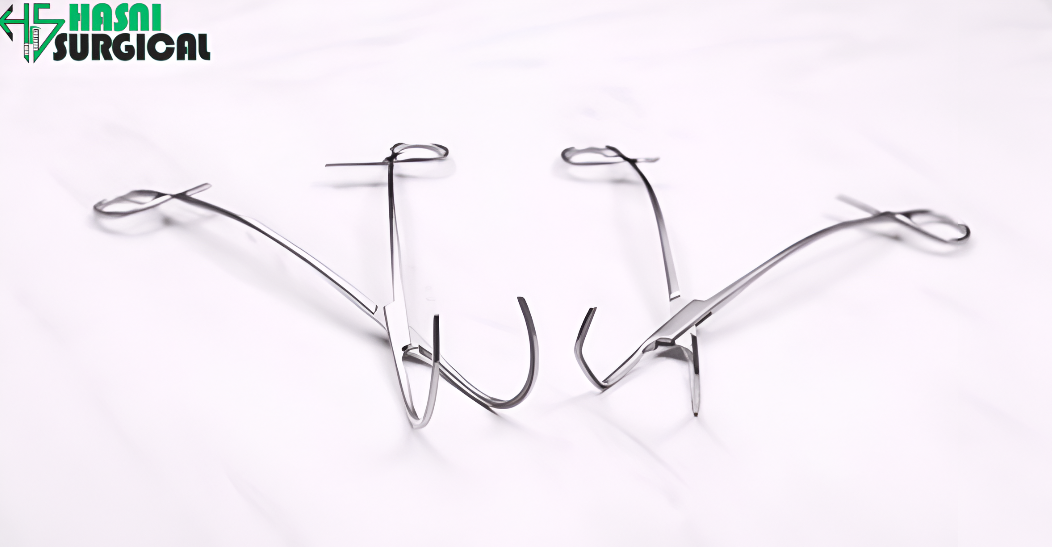
2. Vascular Clamps
- Temporarily occludes blood flow in vessels without injuring them.
- Specifically designed with atraumatic jaws to occlude small arteries and veins.
- Typical examples: DeBakey clamp and Satinsky clamp.
- Used to separate blood vessels for grafting, repair, or anastomosis to circumvent equipment.
- Reduces blood loss and maintains a clear operating field.

3. Heart Retractors
- Hold back heart tissue or surrounding structures such as the atrium or pericardium.
- Provide exposure for valve replacement, coronary bypass, and congenital defect repair.
- Examples: Cooley mitral valve retractor and Cosgrove retractor.
- Crafted with soft curves to accommodate heart anatomy with minimal trauma.
- Vital for seeing within the heart.
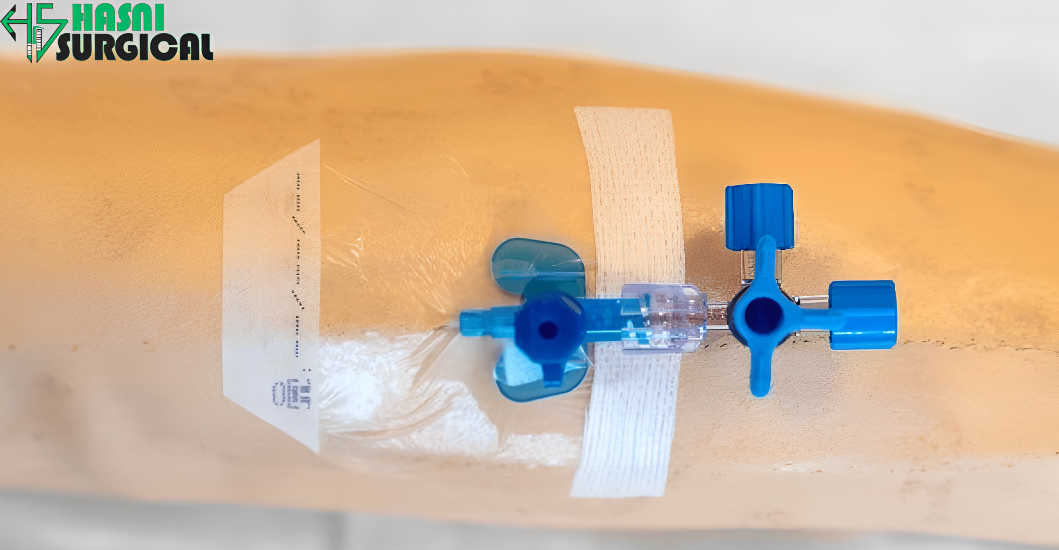
4. Cannulas
- Empty tubes that shunt blood from the heart to the cardiopulmonary bypass pump.
- Types: Arterial cannulas, venous cannulas, cardioplegia cannulas.
- Sustain circulation and oxygenation during cardiac arrest.
- Allow surgeons to work on a stationary, bloodless heart safely.

5. Needle Holders
- Grip and control fine cardiovascular sutures during vessel and tissue repair.
- Examples: Castroviejo needle holder (for micro-sutures) and DeBakey holder (for larger tasks).
- Feature tungsten carbide jaws for precise grip and durability.
- Ensure steady, accurate stitching of fragile heart structures.

6. Forceps (Tissue & Vascular)
- Applied to grasping and cutting fine cardiac tissue and blood vessels.
- Examples: Gerald forceps (for delicacy) and DeBakey forceps (atraumatic tips).
- Ergonomic and light, with reduced fatigue of the hands for longer procedures.
- Avoid tearing of fine blood vessels inadvertently.

7. Scissors (Metzenbaum & Potts)
- Metzenbaum scissors: used to cut soft tissue layers with a gentle action.
- Potts scissors: angled shape for precise arteriotomy incisions.
- Extremely sharp blades reduce trauma to tissues and vessels.
- Indispensable to make the surgical opening in heart tissue and arteries.

8. Suction Devices (Cardiac Suction Tubes)
- They suction away the blood and fluids to maintain a clear field.
- Yankauer suction tips: for general fluid removal.
- Cardiotomy suction: handles larger blood volumes and can reinfuse filtered blood into the patient.
- Ensures consistent visibility during critical stages of surgery.

9. Hemostatic Instruments
- Regulate bleeding during surgery, ensuring patient stability.
- Bulldog clamps: temporarily occlude small vessels.
- Hemostatic clips: provide permanent control of bleeding.
- Prevent blood loss and maintain a safer surgical environment.
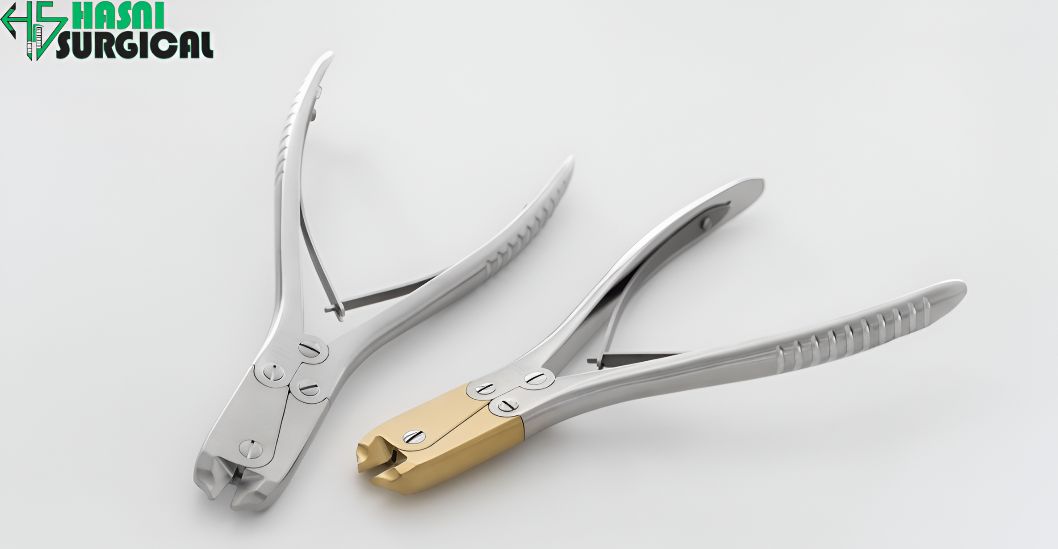
10. Sternal Wires and Wire Cutters
- Applying to close and stabilize the chest after operation.
- Stainless steel wires provide strength and biocompatibility.
- Wire cutters clip surplus wire after closure is in place.
- Ensures correct chest wall healing and prevents complications post-surgery.
📊 Quick Reference Table: Essential Cardiovascular Surgical Instruments in Open-Heart Surgery
| Instrument | Function | Why It’s Essential |
| Rib Spreaders | Hold sternum apart for access | Provides wide exposure to heart and lungs |
| Vascular Clamps | Temporarily block blood flow | Reduces blood loss, isolates vessels |
| Heart Retractors | Retract heart tissue/pericardium | Allows visibility for valve and bypass surgeries |
| Cannulas | Divert blood to bypass machine | Keeps patient alive during stopped-heart surgery |
| Needle Holders | Hold fine sutures and needles | Enables precise stitching of vessels and valves |
| Forceps | Grasp delicate tissue and vessels | Prevents damage to fragile structures |
| Scissors (Metz & Potts) | Cut tissue and vessels with precision | Ensures clean incisions, minimizes trauma |
| Suction Devices | Remove blood and fluids | Keeps surgical field clear and visible |
| Hemostatic Instruments | Control bleeding during surgery | Maintains patient safety and stability |
| Sternal Wires | Close the chest post-surgery | Ensures sternum heals securely |
✅ Final Thoughts of Cardiovascular Instruments
Each instrument within an open-heart surgery kit plays a vital part in saving lives. From chest incision to safe closure, the instruments allow surgeons to proceed with confidence, safety, and precision.
Both patients and physicians will better comprehend the complexity and high-technology aspect of cardiovascular surgery through knowledge of these devices.
