
How are Veterinary Surgical Instruments Sterilized and Cleaned? Let’s Go Over 4 Important Steps
September 11, 2025 2025-09-11 10:48How are Veterinary Surgical Instruments Sterilized and Cleaned? Let’s Go Over 4 Important Steps
 hasni
hasni 
How are Veterinary Surgical Instruments Sterilized and Cleaned? Let’s Go Over 4 Important Steps
Veterinary surgical instruments in veterinary surgery, when utilized in surgery, constitute the foundation of any successful surgery. Ranging from small forceps in feline surgery through large extractors in equine dental surgery, instruments should be clean, sharp, and sterilizable in order to produce safe patients. Should they fail to be so, even better instruments will rust, become faulty, or dangerous.
Surgical instrument cleaning is more than the superficial rinse after surgery. It is a system that involves cleaning, disinfection, lubrication, as well as storage. Below is this guidebook that will walk you through each procedure step-by-step so that the veterinarian and technicians can extend the lifespan of their instruments as well as uphold the highest standard of animal care.
Well-Tended Veterinary Instruments are Happy Surgical Instruments
Veterinary devices essentially enter direct contact with the blood and animal tissues. Poor cleaning and sterilization of devices may result in the spread of infection, disruption of the healing process, and death of the animal.
The following are some of the critical factors asserting the correct maintenance as being critical:
- Cross-infection Prevention: Cleaning effectively destroys pathogens prior to the ensuing surgery.
- Instrument Longevity: Appropriate care forestalls rust, pitting, and stiffening of joints.
- Surgical Accuracy: Precisely sharpened and well-maintained instruments decrease.
- Reuse Reduction: Effective maintenance extends the lifespan of instruments, reducing replacement costs.
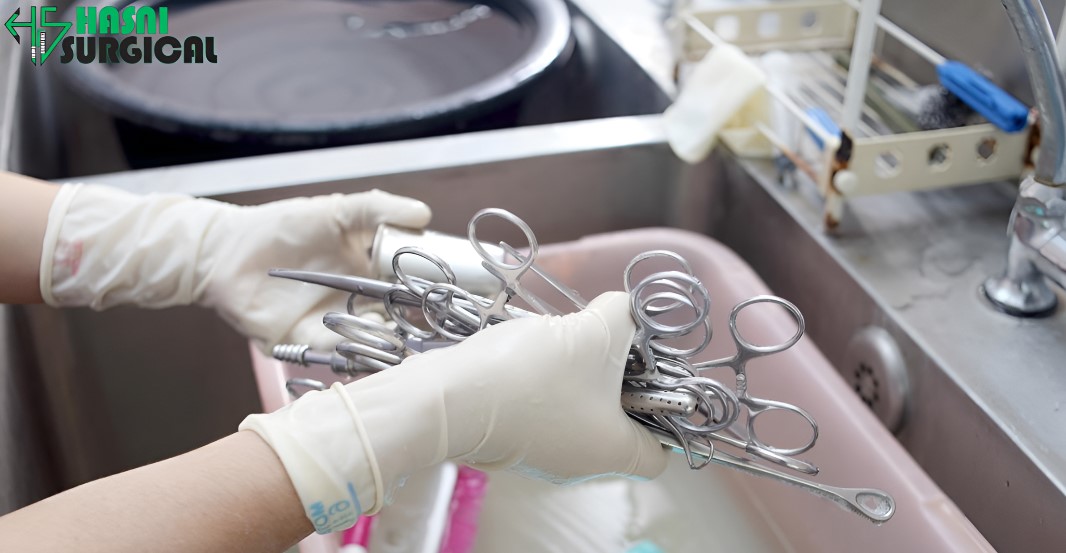
Step 1: Cleaning Veterinary Surgical Instruments
Cleaning is step number one and most critical — the removal of gross blood, tissue, and debris immediately following surgery.
Guidelines for Successful Sterilization of Instruments
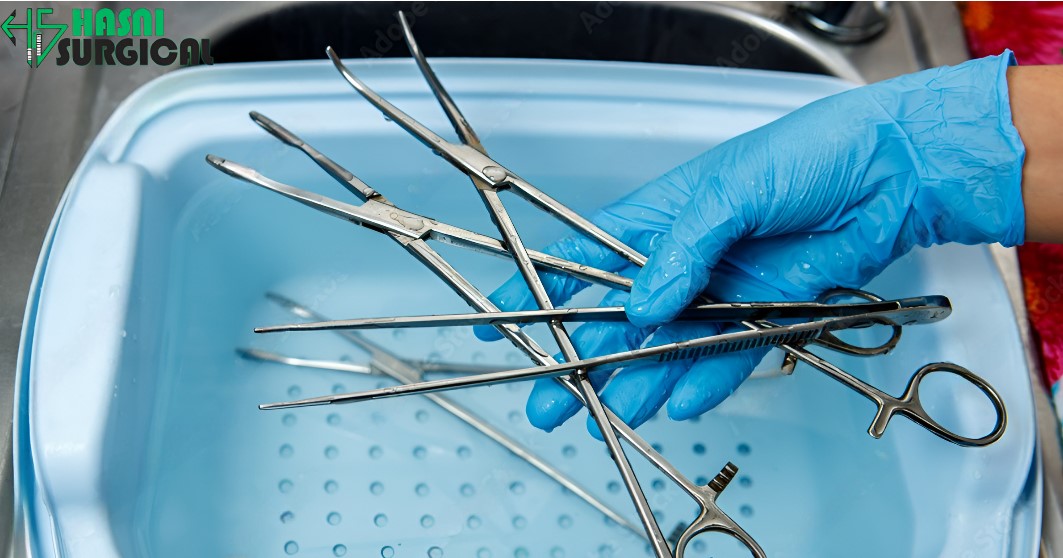
Pre-Rinse Immediately Following Use
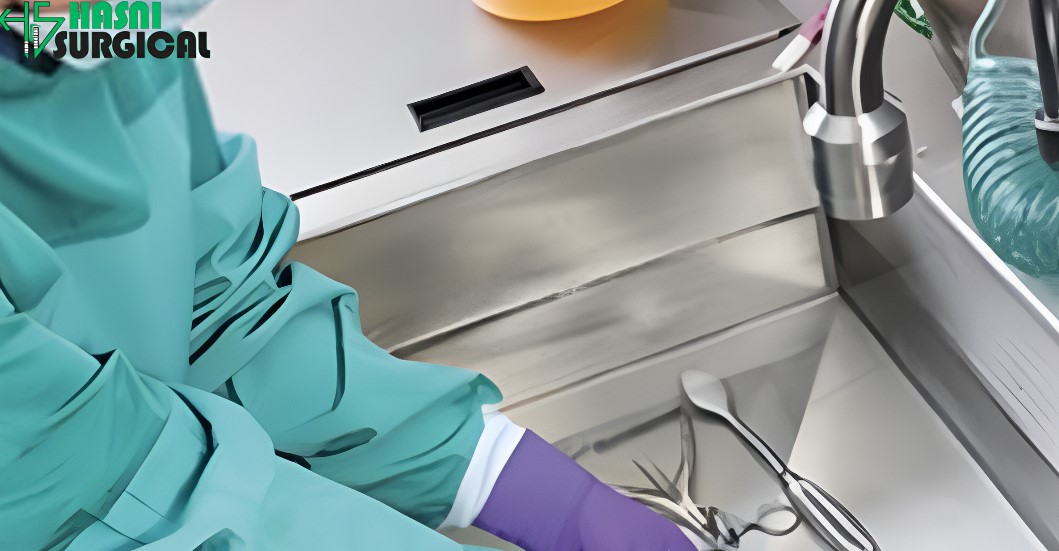
- Instruments should be rinsed under cold or lukewarm flowing water.
- Do not use hot water at this point, as this can cause proteins to coagulate and gunk be harder to clean.
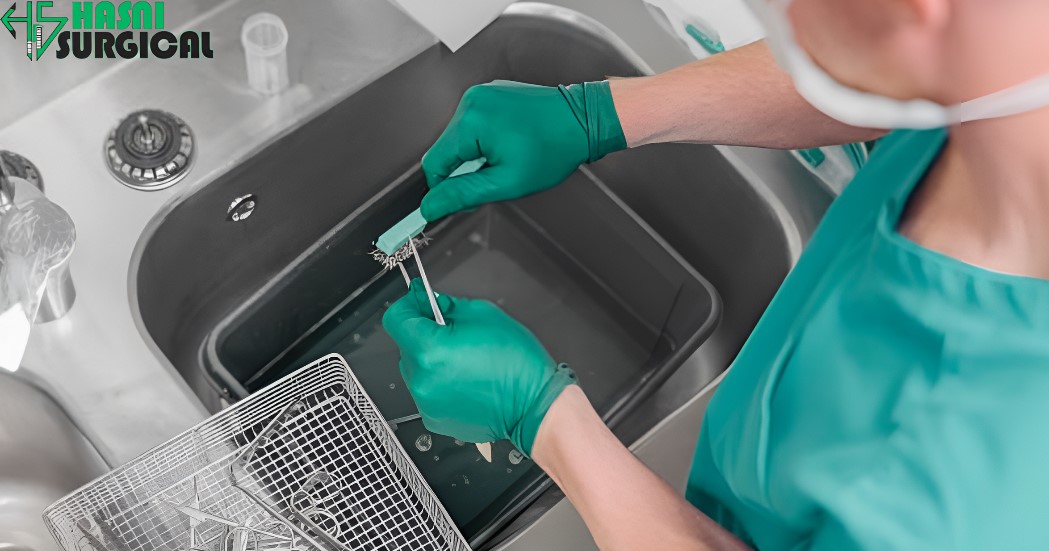
Manual Cleaning
- Use a soft-bristle cleaning brush and pH-neutral enzymatic detergent.
- Clean joints, hinges, serrations, and crevices gently.
- Rinse thoroughly to eliminate detergent residue.
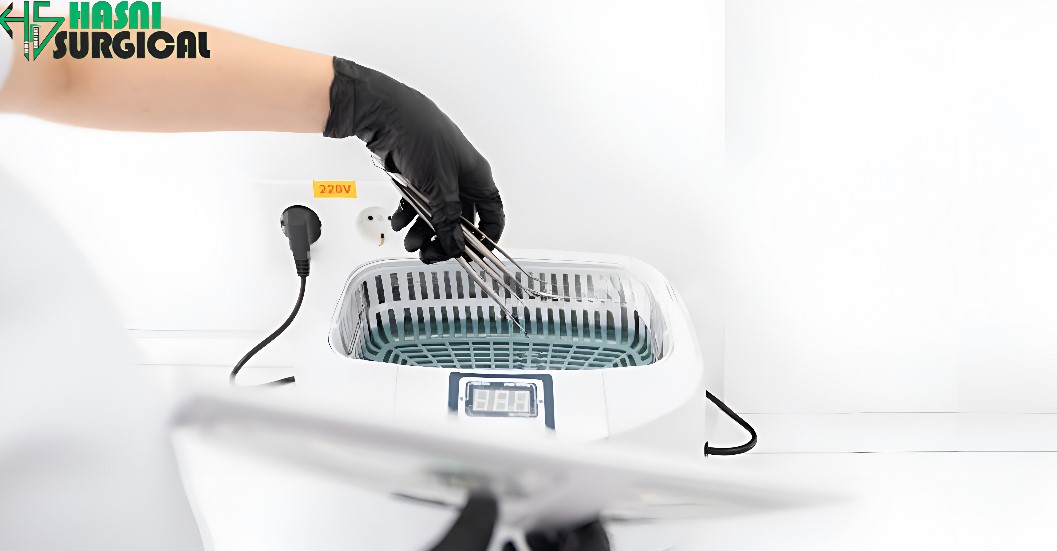
Ultrasonic Cleaning
- Instruments are submerged in an ultrasonic cleaner which employs sound waves to loosen microscopic debris.
- This technique works particularly well for delicate instruments such as microsurgical scissors or dental probes.
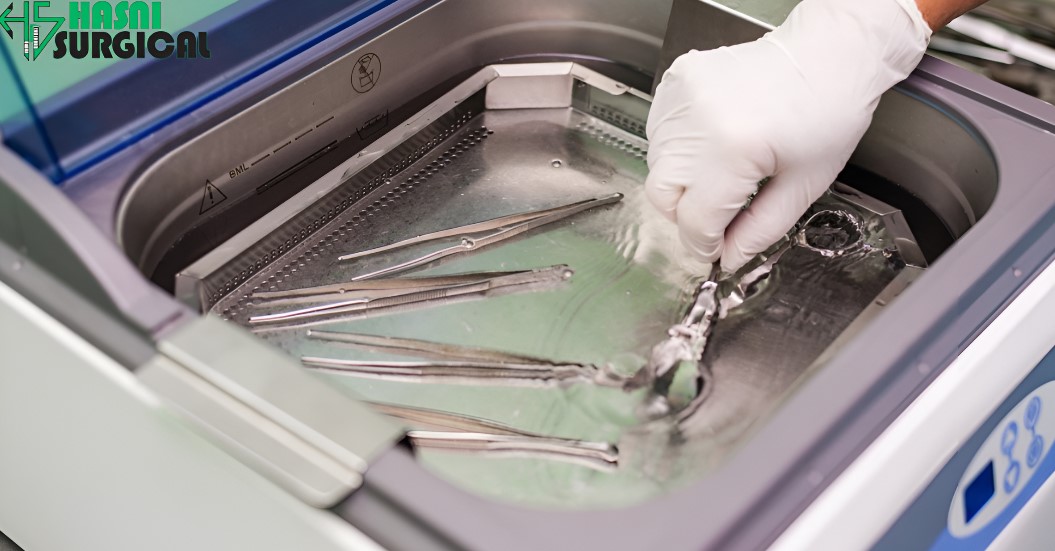
Avoid Harsh Chemicals
- Chlorine, bleach, and harsh scrubs can harm surgical-grade stainless steel.
- Adhere to enzymatic or instrument-safe cleaning solutions.
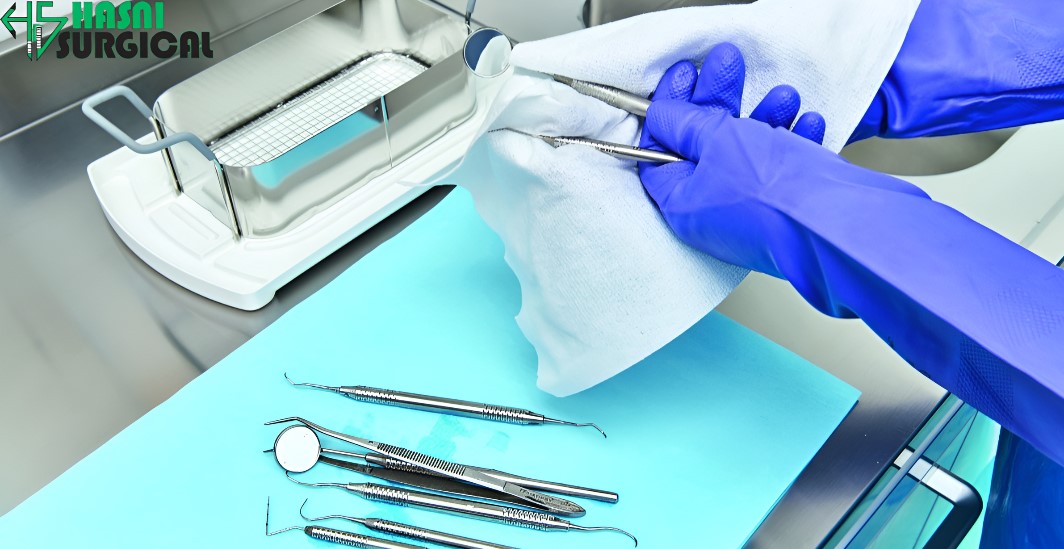
Step 2: Sterilization and Disinfection
After cleaning, instruments should be sterilized and disinfected in order to eliminate microorganisms.
Disinfection
- Applied where full sterilization is not feasible (e.g., fieldwork).
- Involves immersion of instruments in high-level disinfectants like glutaraldehyde.
- Not employed as a replacement for sterilization in the hospital setting but can be utilized in emergency circumstances.
Sterilizing Instruments Processes
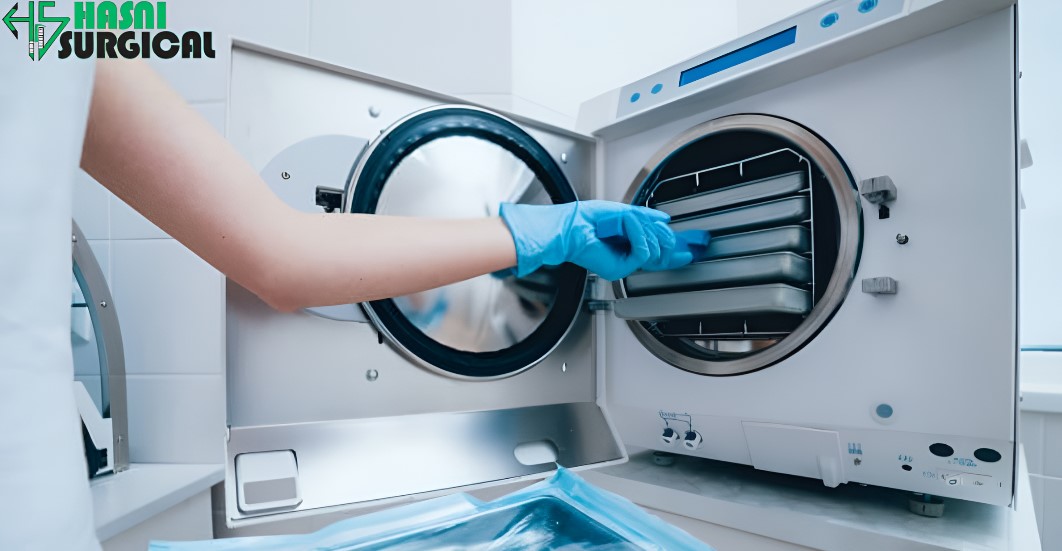
Autoclaving (Steam Sterilization)
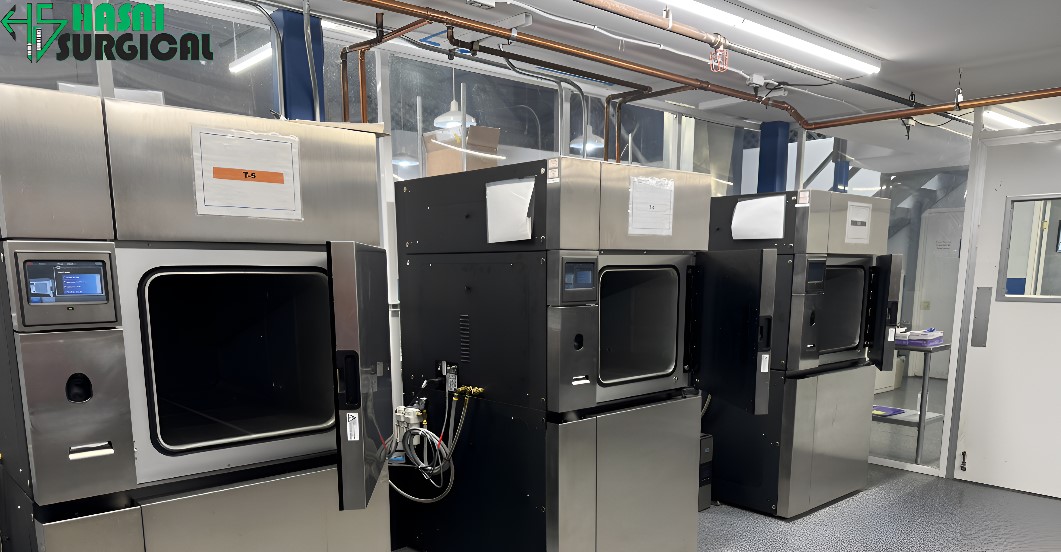
- Most widely used process.
- Instruments are subjected to high-pressure steam (121–134°C).
- Instruments are subjected to high-pressure steam (121–134°C).
- Kills all microorganisms, including spores.
- Instruments must be fully dry before storage to prevent corrosion.
Chemical Sterilization
- Instruments are soaked in solutions like peracetic acid.
- Useful for heat-sensitive tools.
- Requires thorough rinsing to avoid chemical residues.
Gas Sterilization (Ethylene Oxide)
- Ideal for delicate instruments or materials damaged by heat.
- Requires specialized facilities and aeration afterward.
Step 3: Lubrication of Instruments
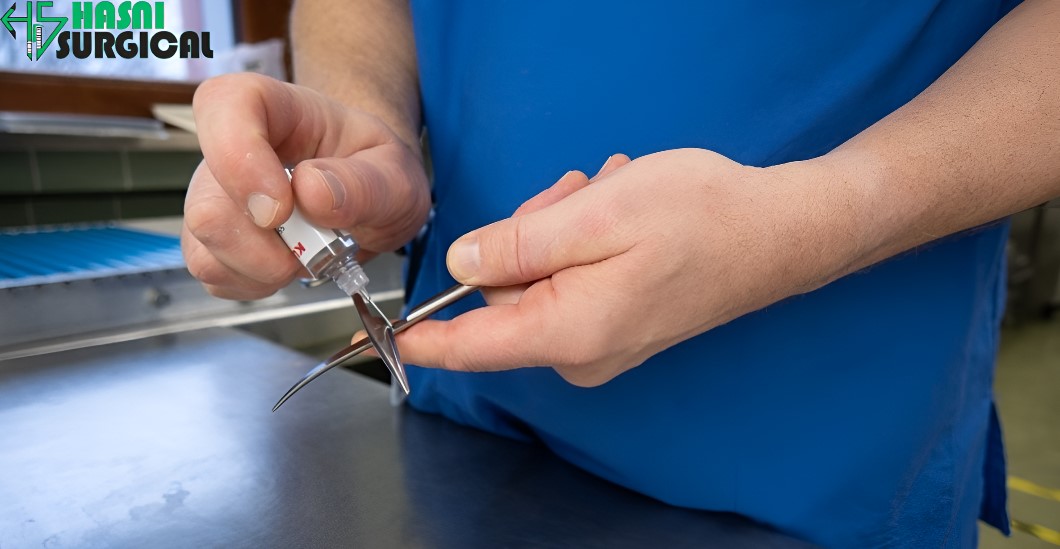
Box locks, hinges, and joints become stiff upon successive sterilization cycles. To prevent this from happening, instruments should be lubricated regularly.
- Instrument Milk: A water-soluble lubricant that protects instruments from corrosion and allows for free movement.
- Use: Dip or spray instruments after cleaning and before sterilization.
- Use: Apply after every cleaning cycle, especially for hinged instruments like scissors, forceps, and needle holders.
Lubrication is essential in maintaining instruments to be accurate and durable. It is in the absence of lubrication that instruments will stick, lose their alignment, or become prematurely worn out.
Step 4: Proper Storage of Veterinary Sterilized Instruments
Even perfectly sterilized and cleaned equipment can be destroyed if not stored correctly.
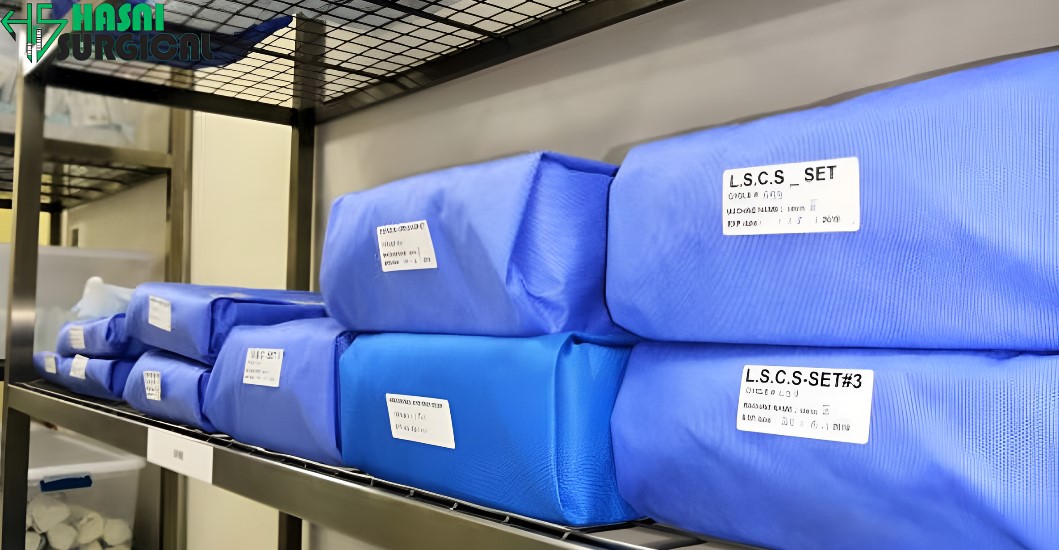
Ideal Storage Practices
- Dry Thoroughly Before Storage
- Rust and corrosion are caused by residual moisture.
- Use drying cabinets where possible.
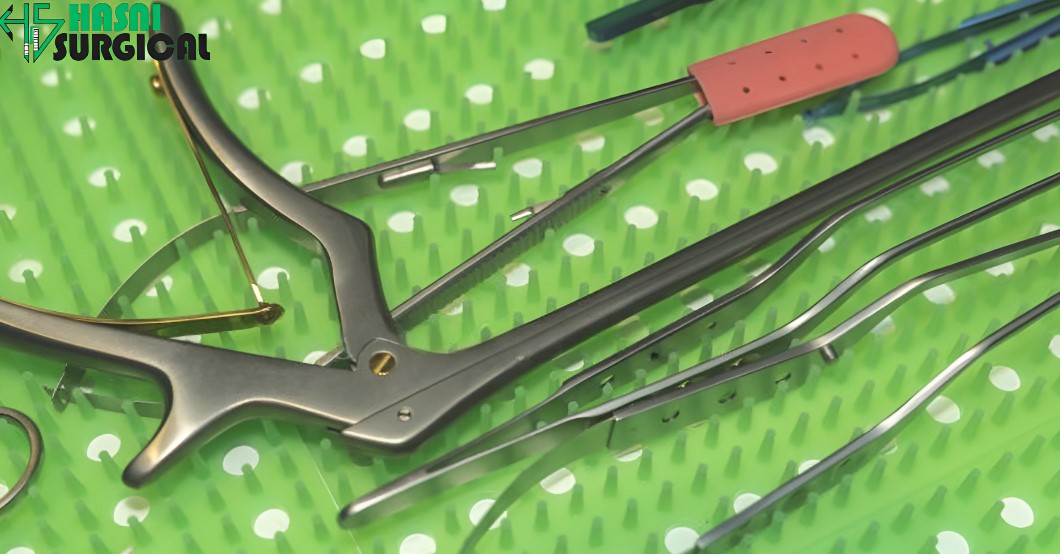
Instrument Type Organize
- Keep fragile instruments away from robust tools to avoid breakage.
- Silicone instrument racks or protection pouches use.
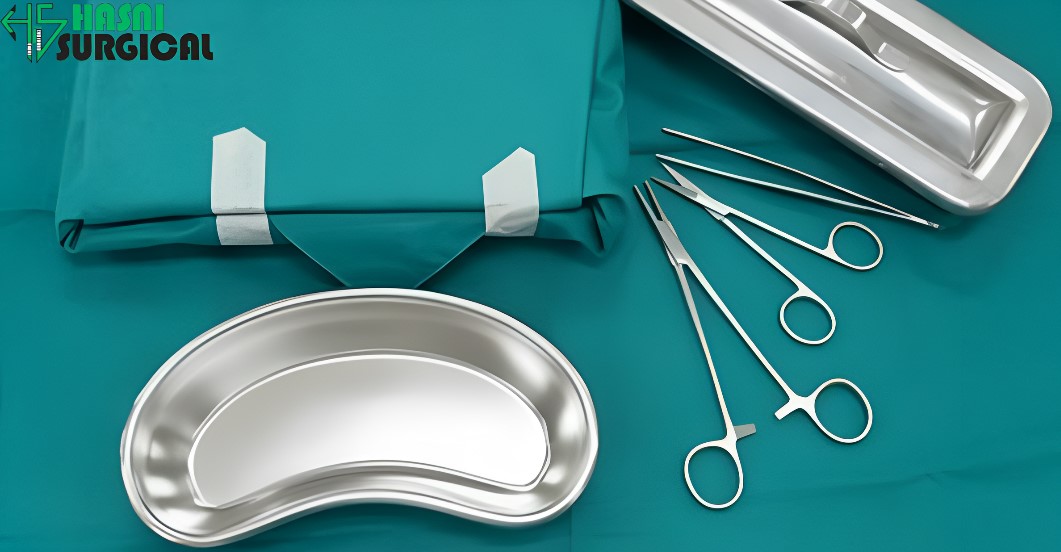
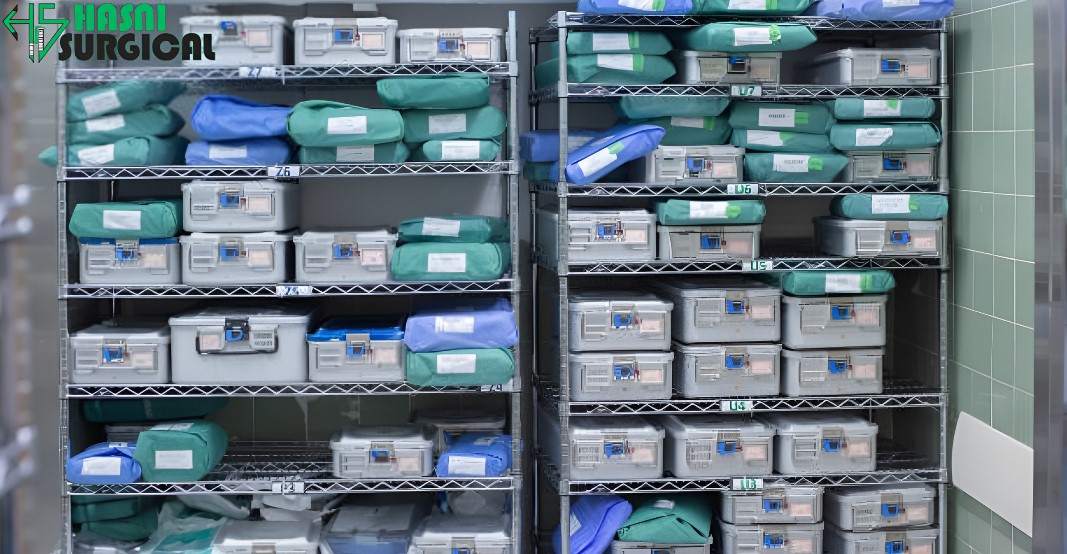
Sterile Wraps or Trays use
- Autoclaved instruments are wrapped in sterile pouches or be put into sterilization trays until they are ready to use.
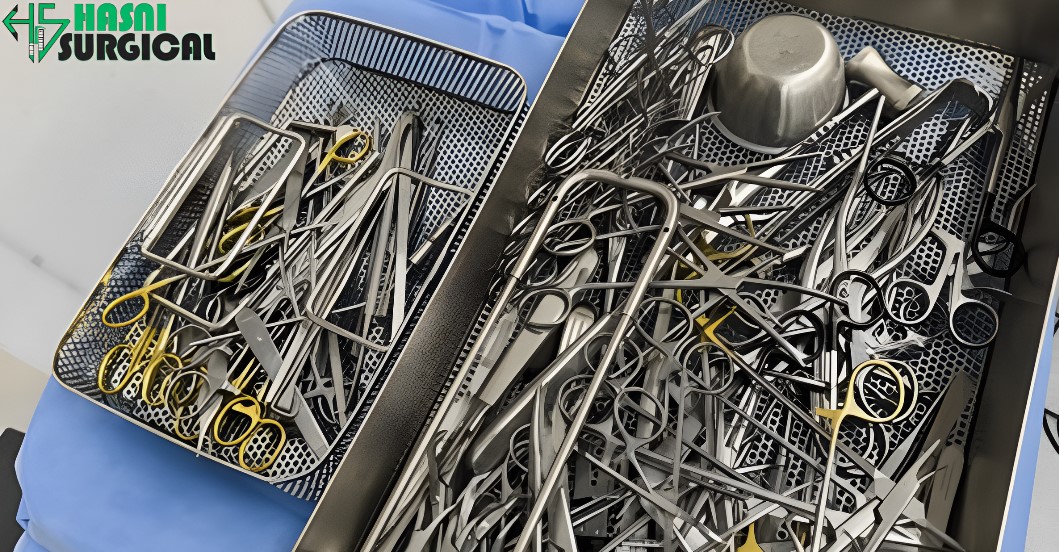
Don’t Overcrowd
- Overcrowded drawers or trays can cause bending, dulling, and distortion.
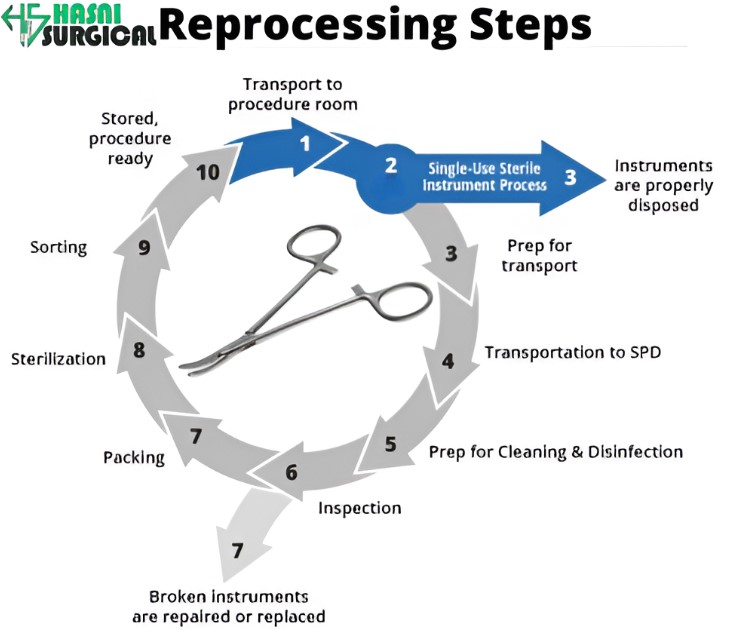
Track Sterile Shelf Life
- Sterile packs should be labeled with sterilization dates.
- Follow hospital policies for re-sterilization and expiration.
Common Errors to Steer Clear Of
- Tap Water: Minerals cause staining or corrosion of instruments. Use distilled water instead.
- Pre-Cleaning Missed: Stuck-on blood and debris are much more difficult to clean.
- Drying Mistakes: Trapped water inside locked-in lockbox creates rapid rust.
- Harsh Chemicals Overused: May make steel soft and destroy sensitive finishes.
- Metal Contamination: Carbon steel and stainless steel should not be stored together because it promotes corrosion.
Long-Term Care Instructions
- Regular Checkup
- Check scissors for sharpness and alignment.
- Test forceps and clamps for correct locking.
- Check needle holders for correct grip on needles.
2. Sharpening and Repairs
- Scissors, curettes, and other cutting instruments should be sharpened by professionals when they become dull.
- Replace instruments that exhibit cracks, deep pitting, or corrosion.
Staff Training
- All staff members who handle instruments must be trained in correct cleaning and sterilization methods.
- Misuse or mishandling during cleaning is a common cause of damage.
Species-Specific Thoughts
Small Animal Clinics (Dogs and Cats)
- Require soft instruments; rough cleaning easily bends fine tips. Ultrasonic cleaning is particularly beneficial.
Equine and Farm Animal Practices
- Heavy instruments undergo excessive wear. They should be lubricated and inspected regularly in order for them to keep on working.
Specialized Instruments
- Microsurgical, ophthalmic, and dental devices require special handling because they are made of fragile materials. They should always be stored separately.
Closing Thoughts
Veterinary surgical equipment is a commitment to animal wellness and clinic effectiveness. To appropriately clean them, sterilize them completely, lubricate them carefully, and store them securely are indisputable procedures for their maintenance. In following these recommendations, veterinary experts can:
- Extend their instrument lifespan
- Reduce replacement costs
- Assure surgical success and safety
- Prevent infection and unnecessary complications to animals
In simple terms, the quality of animal care directly relates to how instruments are maintained.
Hasni Surgical: Built to Last
At Hasni Surgical, we produce precision veterinary instruments from high-quality surgical-grade stainless steel that can withstand multiple cycles of cleaning and sterilization. Whether you are setting up a small animal clinic, an equine hospital, or a mixed veterinary practice, our veterinary instruments are engineered for strength, performance, and easy maintenance.
📦 Need veterinary kits or bespoke sets?
We provide tailored solutions to meet your surgical and dental practice needs.
FAQs
Q1: How frequently should surgical instruments be cleaned?
Immediately after every procedure, then sterilization prior to reuse.
Q2: Can veterinary instruments be sterilized using bleach?
No. Bleach corrodes and will ruin surgical stainless steel. Instead, use approved cleaning agents.
Q3: How do I determine whether an instrument needs to be replaced?
If it exhibits cracks, recurring rust, or does not work well after maintenance, replace it.
Q4: Do all instruments require lubrication?
Not everything, but anything with hinges, joints, or box locks will need to be oiled every so often.
