
Rib Spreaders Used in Thoracic Surgery: 6 Important Types and Purposes
October 13, 2025 2025-10-14 4:59Rib Spreaders Used in Thoracic Surgery: 6 Important Types and Purposes
 hasni
hasni 
Rib Spreaders Used in Thoracic Surgery: 6 Important Types and Purposes
Thoracic surgery is the act of performing surgery in one of the most complex and sensitive regions of the body — the chest cavity. To access the lungs, heart, or major vessels safely, surgeons must employ instruments capable of opening space between the ribs. Rib spreaders (or thoracic retractors) are one of the most notable among them.
Rib spreaders are mechanical devices that gently separate the ribs to provide a clear view and working area inside the thorax. Their design combines strength, stability, and precision, allowing surgeons to perform complex procedures while minimizing trauma to surrounding tissues.
In this blog, we’ll explore what rib spreaders are, their types, how they work, and their uses across various thoracic procedures.
What Are Rib Spreaders?
A rib spreader is a surgical retractor used to divide neighboring ribs to open up the chest wall. It allows thoracic organs such as the lungs, heart, and great vessels to be accessed by surgeons in thoracotomy, lung resection, and cardiac bypass surgeries.
In contrast to handheld retractors, rib spreaders are self-retaining — after they are left in the incision, they apply pressure and maintain the operative field open without the need for constant manual pressure.
Basic Design Features
The majority of rib spreaders possess these simple features:
- Two or more arms/blades: Position between the ribs.
- Ratchet or rack-and-pinion mechanism: Resists and allows incremental and controlled spreading.
- Handle or crank: To increase opening width.
- Locking system: To secure the retraction width desired.
Why Rib Spreaders are Essential in Thoracic Surgery
The thoracic cavity has to be opened with the greatest care. Ribs protect vital organs and are connected by muscles and nerves that are susceptible to injury. Rib spreaders allow surgeons to:
- Create a safe entry in the rib cage.
- Provide visibility for the operating field.
- Reduce tissue trauma by spreading slowly and carefully.
- Perform well during long procedures without hand fatigue.
Without an available rib spreader, thoracic access would be restricted, increasing operative time and surgical risk.
Important Types of Rib Spreaders in Thoracic Surgery
There are multiple designs of rib spreaders, each suited to specific procedures and patient types. Let’s review the most common ones used in modern surgical practice.
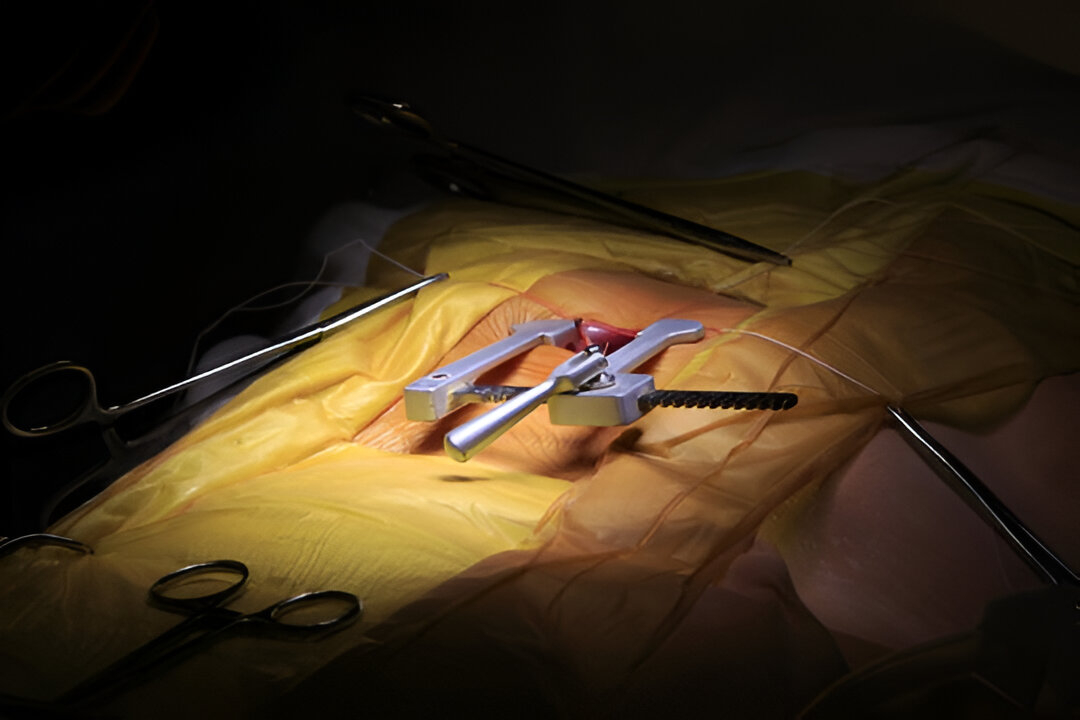
1. Finochietto Rib Spreader
Finochietto retractor is the most well-known and best-recognized rib spreader used in thoracic surgeries. The Argentinian surgeon Enrique Finochietto designed this time-tested instrument at the beginning of the 20th century, and it’s still the gold standard when it comes to open-chest surgery.
Key Features
- Two curved arms with malleable blades that rest on the ribs.
- Rack-and-pinion mechanism controlled by a handle.
- Self-retaining design with adjustable spread.
- Usually made from surgical-grade stainless steel.
Common Uses
- Thoracotomy (for lung resections or biopsies)
- Open-heart surgery
- Esophageal and mediastinal operations
Advantages
- Durable and easy to sterilize.
- Provides wide exposure with fine control.
- Can be used for both adult and pediatric thoracic procedures (smaller variants available).
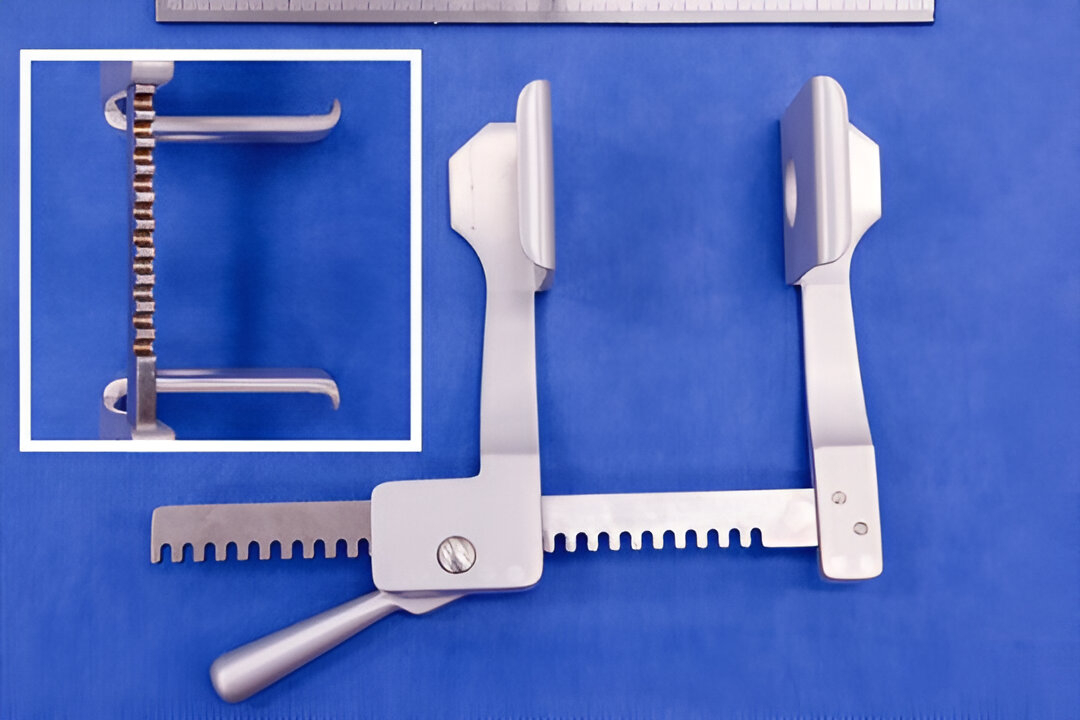
2. Burford-Finochietto Rib Spreader
A semi-modified Finochietto spreader, the Burford-Finochietto rib spreader is more ergonomically friendly and stable.
Key Features
- Angled arms for better anatomical fit.
- Replaceable blades for simple replacement based on rib spacing.
- Rigid yet lightweight design.
Common Uses
- Lung resection or lobectomy procedure.
- Deep chest access cardiothoracic surgery.
Advantages
- Less pressure on intercostal nerves.
- Easier cleaning and maintenance due to detachable parts.
- Offers more customization based on patient size and procedure site.
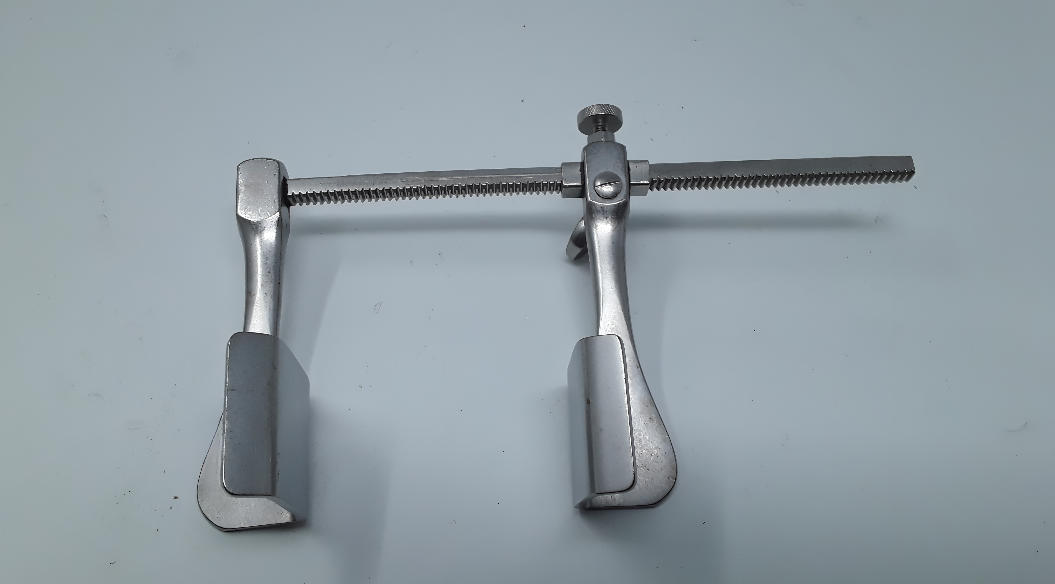
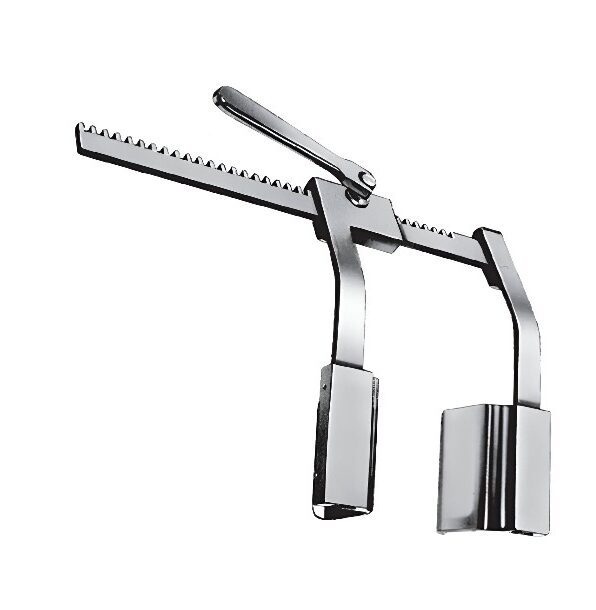
3. Tuffier Rib Spreader
The Tuffier retractor is a basic classic model that is widely utilized for thoracotomy and sternotomy surgeries.
Key Features
- Plastic, block-shaped construction with a screw-type mechanism.
- Lower range of retraction than the Finochietto.
- Most frequently used for use in pediatrics or minimal invasive surgeries.
Common Uses
- Thoracoplasty or limited exposure of ribs.
- Exploratory thoracotomy in small patients.
Advantages
- Easier to handle in confined spaces.
- Sensitive sensitive retraction for sensitive ribs.
4. DeBakey Rib Spreader
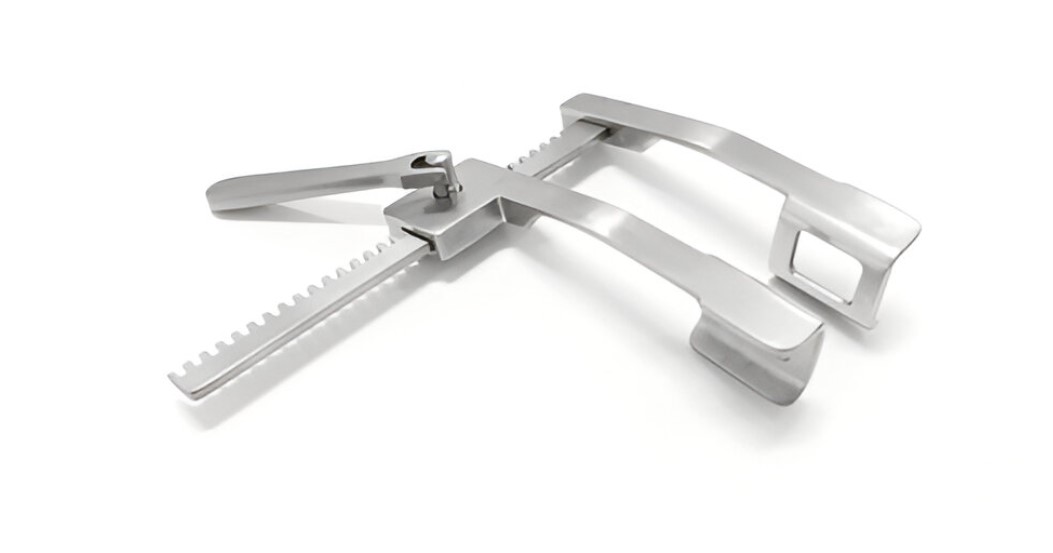
Named in tribute to the renowned cardiovascular surgeon, Dr. Michael DeBakey, this rib spreader is most ideal for cardiothoracic and vascular surgery.
Key Features
- Smooth, curved blades to minimize rib trauma.
- Broader frame for extensive access to the mediastinum.
- Ratchet mechanism for gradual expansion.
Common Uses
- Open-heart surgery (e.g., coronary artery bypass grafting).
- Mediastinal and pericardial operations.
Advantages
- Minimizes intercostal nerve compression.
- Provides excellent visualization of the heart and great vessels.
5. Adult and Pediatric Rib Spreaders
Rib spreaders come in different sizes to accommodate different anatomical structures.
Adult Rib Spreaders
- Wider, thicker blades.
- More powerful for the greater resistance of thicker rib cages.
- Utilized in operations like lung resections, cardiovascular procedures, and traumatic procedures.
Pediatric Rib Spreaders
- Smaller arms and shorter blades.
- Delicate control for smaller thoracic cavities.
- Utilized in congenital heart operations or neonatal thoracotomy.
6. Sternal Retractors (Median Sternotomy Spreaders)
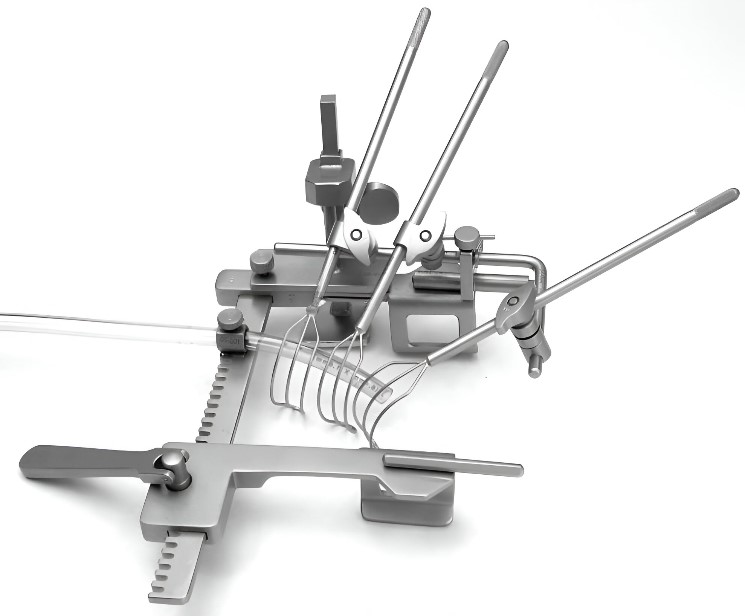
Technically a separate category but used for the same general purpose as rib spreaders to open up the sternum instead of the ribs.
Common Types
- Mayo Sternal Retractor
- Cooley Sternal Retractor
- Lebsche Sternal Spreader
Common Uses
- Open-heart surgery via median sternotomy.
- Exposure of the anterior mediastinum or pericardium.
These are needed in cardiac surgery and are commonly in use with rib spreaders in complex thoracic exposure.
How Rib Spreaders Are Used In Surgery
Step 1: Patient Preparation
The patient is placed in the desired position (usually lateral or supine). After anesthesia, an incision is made in the chosen intercostal space.
Step 2: Insertion
Closed blades of the rib spreader are carefully placed between the ribs.
Step 3: Spreading
The surgeon’s arms are gradually opened by the ratchet or crank mechanism. This gradual opening forces the ribs apart but does not break them.
Step 4: Stabilization
The locking is engaged after the opening is finished, keeping the retractor stable where the operation is being carried out.
Step 5: Removal
When the operation is complete, the spreader is progressively released so that the ribs return to their normal position.
Materials and Construction Quality
The rib spreader must be made of surgical stainless steel or titanium in order to impart strength, corrosion resistance, and sterilizability on it.
Quality features are:
- Backlash-free ratchet mechanism.
- Smooth, rounded edges to prevent injuring tissue.
- Replaceable blades to cover different spacings of the ribs.
- Light in weight to prevent hand fatigue.
High-grade rib spreaders (such as Hasni Surgical) are carefully manufactured to international surgery standards and can be re-sterilized time after time without compromise in function.
Modern Advances: Minimally Invasive Rib Spreaders
Along with advances in thoracic surgery along the lines of minimally invasive procedures, rib spreader designs have evolved as follows:
- Thin-armed micro-spreaders for application in small incision portals.
- Endoscopic rib spreaders for VATS (video-assisted thoracoscopic surgery).
- Adjustable, low-profile ones reducing post-operative pain and intercostal trauma.
- All these advancements are reflections of the growing demand for patient comfort, faster recovery, and improved surgical outcome.
Safety and Postoperative Concerns
Forcible or improper use of rib spreaders can lead to:
- Rib fractures
- Damage to intercostal nerves
- Post-thoracotomy pain syndrome
To avoid risk:
- Use slow spreading rather than forceful expansion.
- Select appropriately sized blades for the patient.
- Apply padding or soft-tipped blades whenever possible.
- Maintenance of instruments and proper training are needed to prevent accidents with efficient functioning.
Selecting the Appropriate Rib Spreader
In selecting a rib spreader to be used in your operating room setup, consider the following:
Procedure type – Cardiac, thoracic, or trauma.
Patient size – Adult, pediatric, or neonatal.
Material and longevity – Stainless steel or titanium.
Adjustability – Range of motion and replaceable blade.
Reputable manufacturer quality – Precision engineering and sterilization compatibility.
A properly constructed rib spreader is an investment that will function well for decades with proper care.
Hasni Surgical: Precise Rib Spreader Instrument for Thoracic Precision
We produce the entire series of thoracic surgery instruments like Finochietto, Burford-Finochietto, and DeBakey rib spreaders under our own company name, Hasni Surgical. Our instruments are made from precise stainless steel in an effort to introduce precision, control, and consistency to pressure procedures.
Our anatomically curved rib spreaders are designed to:
- Simple manipulation and usage.
- Consistent retracting of ribs without trauma.
- Offer greater compatibility with modern sterilization systems.
Whether you are performing open thoracotomies, coronary artery bypass surgery, or minimally invasive thoracic surgery, Hasni Surgical offers the instrumentation that facilitates precision and safety in all of the above.
Final Thoughts
Rib spreaders are the backbone of thoracic access — allowing surgeons to operate safely within the chest. From the traditional Finochietto design to more recent minimally invasive designs, these instruments remain on pace with surgical advancements.
A good rib spreader must be a balance of strength and finesse — strong enough to drive the ribs apart, but not too strong to cause damage to nerves and soft tissue. When well chosen and well cared for, it is a precious asset in thoracic and cardiosurgery.
To distributors, hospitals, and clinics in need of dependable operating instruments, quality rib spreaders provide accuracy, security, and durability — what each life-saving procedure is worth.
